Best Tinplant Can Components for Global Procurement Needs?
In the rapidly evolving packaging industry, the significance of high-quality Tinplant Can Components cannot be overstated. According to a recent market analysis by Smithers Pira, the global market for metal packaging continues to grow, with an expected compound annual growth rate (CAGR) of 3.4% through 2026. This growth is driven by increasing demand for sustainable and recyclable packaging options. Companies are challenged to procure components that not only meet quality standards but also align with environmentally friendly practices.
The need for reliable suppliers of Tinplant Can Components is critical. Industry reports highlight that nearly 65% of manufacturers face procurement issues due to fluctuations in raw material availability and price volatility. As brands strive for sustainability, adhering to eco-friendly sourcing is essential. However, some procurement strategies may inadvertently compromise component quality. It's essential for companies to evaluate suppliers thoroughly.
To remain competitive, organizations must balance quality, cost, and sustainability in their procurement strategies. Investing in robust partnerships with reputable suppliers can mitigate risks. The right Tinplant Can Components can enhance both product longevity and brand image. There remains an ongoing reflection within the industry regarding the balance of quality and environmental impact, urging decision-makers to remain vigilant in their sourcing practices.

Best Practices for Sourcing Tinplant Can Components Globally
Sourcing tinplant can components globally requires strategic planning and attention to detail. Begin by identifying suppliers with proven expertise in producing quality materials. Engaging with manufacturers who have a strong technical background ensures you receive reliable components. This step can prevent quality disputes later on.
Consider the geographical location of suppliers. Shipping times and costs can vary significantly. A supplier located closer to your production facility can reduce delays. However, it may limit your options. Balancing proximity and quality is key. You may face challenges finding the right fit.
Establishing clear communication with your suppliers is essential. Regular updates can help mitigate misunderstandings. However, language barriers may arise. Choose partners who can articulate their processes well. Reflecting on past selections can provide insights. Learning from previous sourcing experiences can inform better choices in future negotiations.
Key Suppliers of Tinplant Can Components in the Global Market
The global market for tinplant can components is expanding rapidly. According to industry reports, the demand for these components is projected to grow at a CAGR of 4.5% through 2026. Key suppliers play a vital role in meeting the diverse procurement needs of manufacturers worldwide. Their innovations and quality products are essential to sustain this growth.
Several leading players in this space focus on producing high-quality components, such as tinplate and coatings. These materials ensure the durability and sustainability of tinplant cans. However, many manufacturers face challenges such as fluctuating raw material prices and ensuring compliance with environmental regulations. Understanding supplier capabilities and production capacities is crucial.
Tips: When selecting suppliers, prioritize those with robust certifications. This can guarantee product quality and compliance. Additionally, assess their supply chain reliability. A strong supply chain minimizes risks in procurement. Regularly reviewing suppliers is key. This helps maintain quality and adapt to market changes.
Quality Standards for Tinplant Can Components in Procurement
When sourcing tinplant can components, quality standards play a vital role. Ensuring reliability and safety requires a thorough understanding of specifications. Different regions may have unique criteria. Many may overlook local regulations, but this can lead to compliance issues later.
Check the material composition and structural integrity of tin components. They should meet international standards, but nuance is key. A lack of thorough testing can result in unforeseen problems. It's essential to engage with suppliers who prioritize quality assurance.
Not all components will perform as expected. Testing for durability and resistance to corrosion is crucial. Reflections on past procurement may inform future decisions. Trustworthy suppliers should demonstrate past successes with similar products and provide supporting evidence. Quality verification should never be a mere formality; it demands active scrutiny.
Navigating Logistics and Shipping for Tinplant Can Procurement
Navigating logistics and shipping for tinplant procurement involves several critical elements.
Supply chain disruptions can significantly impact delivery timelines.
A recent industry report indicated that 72% of businesses experienced delays due to logistics challenges.
Efficient transportation strategies are essential for mitigating these risks.
Port congestion often leads to increased costs.
For instance, the average cost of shipping containers rose by over 30% last year.
This fluctuation affects procurement budgets and supplier relationships.
It’s crucial to develop contingency plans and build flexibility into contracts to manage these uncertainties.
Quality assurance is another area to prioritize.
Inconsistent product quality can stem from various suppliers.
Implementing rigorous quality checks can help ensure that the components meet required industry standards.
Engaging with freight forwarders specializing in the tinplant sector may offer insights into best practices.
This collaboration can lead to improved logistics solutions, ultimately benefitting procurement strategies.
Future Trends in Tinplant Can Components and Global Demand
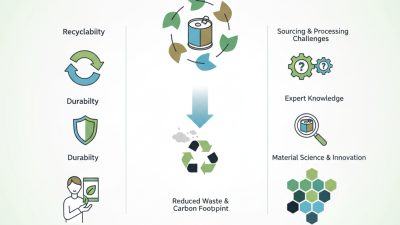
As global procurement demands evolve, understanding future trends in tinplant components is crucial. The market is shifting towards sustainability and efficiency. Manufacturers increasingly seek materials that not only meet performance standards but also minimize environmental impact. Innovations in biodegradable coatings are gaining traction, catering to eco-conscious consumers.
Tip: Always assess the lifecycle of each component. Consider how materials will impact the environment after their use.
Another notable trend is the rise of smart packaging technology. Integrating sensors into tinplant cans can enhance user experience. These innovations provide valuable data about product freshness and inventory management. However, the adoption of such technologies presents challenges. Cost and integration into existing supply chains can be significant hurdles.
Tip: Evaluate your current supply chain readiness for advancements. Prepare for potential disruptions when introducing new technologies.
It’s essential to recognize that global demand is influenced by regional preferences. Emerging markets are developing their unique needs, leading to varied specifications. This complexity can make procurement more challenging. Always stay informed about regional trends to better align your offerings.