Essential Metal Pail Components You Need to Know?
In today's manufacturing landscape, understanding Metal Pail Components is crucial. According to a recent industry report by the Global Metal Packaging Association, the market for metal pails has seen a steady growth of 4% annually. This rise highlights the importance of quality components in producing durable and efficient storage solutions.
Expert John Smith, a leading authority in packaging design, emphasizes, "The success of metal pails relies heavily on their components." Key elements like the lid, handle, and body material play vital roles. A well-designed lid ensures a secure fit, while robust handles contribute to safe transportation.
However, many manufacturers overlook the significance of these components. This oversight can lead to problems such as leaks and structural failures. Identifying the right materials and designs for Metal Pail Components is essential. As the industry evolves, continuous innovation and attention to component quality will determine future success.
Essential Components of Metal Pails: A Comprehensive Overview
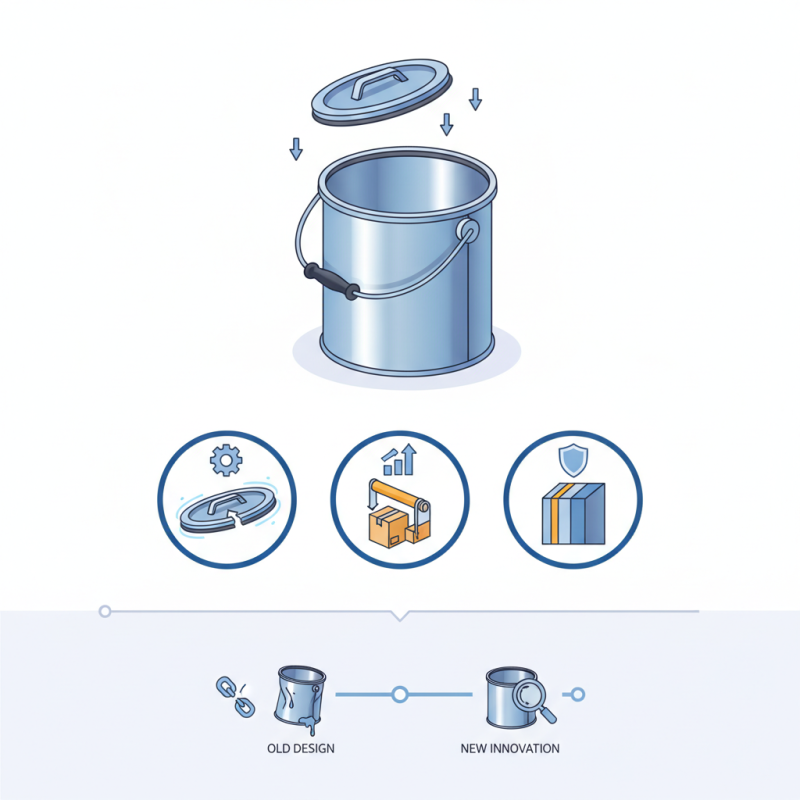
Metal pails are often overlooked, yet they play a crucial role in many industries. Understanding their essential components can enhance efficiency and safety. There are several key parts to consider: the pail body, handle, lid, and closures. The material quality significantly affects the pail's durability. For example, steel pails offer superior strength compared to plastic alternatives.
According to the latest industry data, over 45% of companies using metal pails report issues with corrosion or rust, leading to product contamination. This highlights the importance of selecting high-quality coatings. A proper lid is vital for preventing spills and ensuring product integrity. Some pails come with tamper-evident features, which are critical in sectors like food and pharmaceuticals.
The handle is another often underestimated component. A weak handle can lead to unsafe carrying practices. It should be designed for comfort and ease of use. Ergonomic handles reduce strain, especially in high-volume operations. However, not all metal pails prioritize this feature, leading to worker fatigue. Understanding these components can guide better choices for your specific needs.
Types of Metals Used in Pail Manufacturing and Their Properties
When it comes to manufacturing metal pails, the choice of metal is crucial.
Steel is commonly used due to its strength and durability.
It can withstand heavy loads and resist corrosion when coated properly. However, it can be heavy, which might not suit every application.
Aluminum is another popular option. It is lightweight, making it easier to handle.
Its resistance to rust also makes it ideal for various uses.
Different alloys can greatly influence the properties of these metals.
For example, stainless steel is known for its excellent resistance to rust and staining.
It's often preferred for food-related applications. However, its higher cost can be a major drawback.
Additionally, some metals may have a tendency to bend or dent under pressure.
This can affect the pail's integrity over time.
Understanding these metal properties is essential in selecting the right pail for your needs.
Sufficient research into each option can save time and costs.
Ultimately, every material has its strengths and weaknesses.
The key is to balance these factors for your specific requirements.
Significance of Coatings and Linings in Enhancing Durability
When it comes to metal pails, coatings and linings play a crucial role in their longevity. Materials can be prone to rust and corrosion. A good coating can prevent these issues, extending the pail's life.
There are various types of coatings available. Some are thicker, while others provide a smooth finish. The choice can affect performance.
Choosing the right lining is equally important. Lining materials can vary, affecting the pail's durability and the contents' safety. Certain linings hold up well against chemicals, while others excel under extreme temperatures.
Finding a suitable lining material can be challenging. Some might degrade faster than expected, leading to contamination risks.
Enhancement of durability through coatings and linings is essential but not always straightforward. The application process is crucial. Uneven coatings can lead to weak spots. Regular checks for wear are necessary to ensure continued protection. Metal pail users should learn about their specific needs. Understanding these aspects can lead to better choices in the long run.
Understanding Metal Pail Sizes and Capacities for Various Industries
Understanding the appropriate sizes and capacities of metal pails is crucial for various industries. Different sectors utilize pails of varying dimensions based on their specific needs. The food industry often requires pails that can withstand refrigeration, typically around 5 to 10 gallons in size. A report from the Packaging Association indicates that these pails account for approximately 25% of total metal pail demand.
In the chemical sector, the requirements shift dramatically. Metal pails used for hazardous materials often range from 1 to 20 gallons, depending on the application. This range highlights the importance of capacity alignment with safety regulations. Furthermore, a study from the International Container Bureau suggests that improper sizing can lead to safety violations, affecting 30% of companies surveyed. Industry standards dictate rigorous testing for metal pail integrity, emphasizing that size directly correlates with safety and compliance.
Many manufacturers struggle with these requirements. They sometimes misjudge the necessary sizes, leading to inefficiencies. For instance, if a 5-gallon pail is used when a 3-gallon pail would suffice, it results in wasted materials and increased costs. Enhancing knowledge about metal pail capacities can help mitigate these issues. Investing in this area is not just practical; it is essential for operational excellence.
Essential Metal Pail Components You Need to Know
| Component |
Description |
Common Size (Gallons) |
Industries |
| Body |
The main container structure, typically made from pre-coated steel. |
1, 2, 5, 10 |
Food, Chemical, Paint |
| Lid |
A removable cover to secure the contents of the pail. |
1, 2, 5 |
Food, Lubricants |
| Handle |
A metallic or plastic fixture for lifting and carrying the pail. |
N/A |
All Industries |
| Spout |
An outlet for pouring contents easily from the pail. |
N/A |
Chemical, Paint |
| Seal |
A mechanism to prevent leakage or contamination. |
N/A |
Food, Chemical |
Quality Standards and Regulations Affecting Metal Pail Production
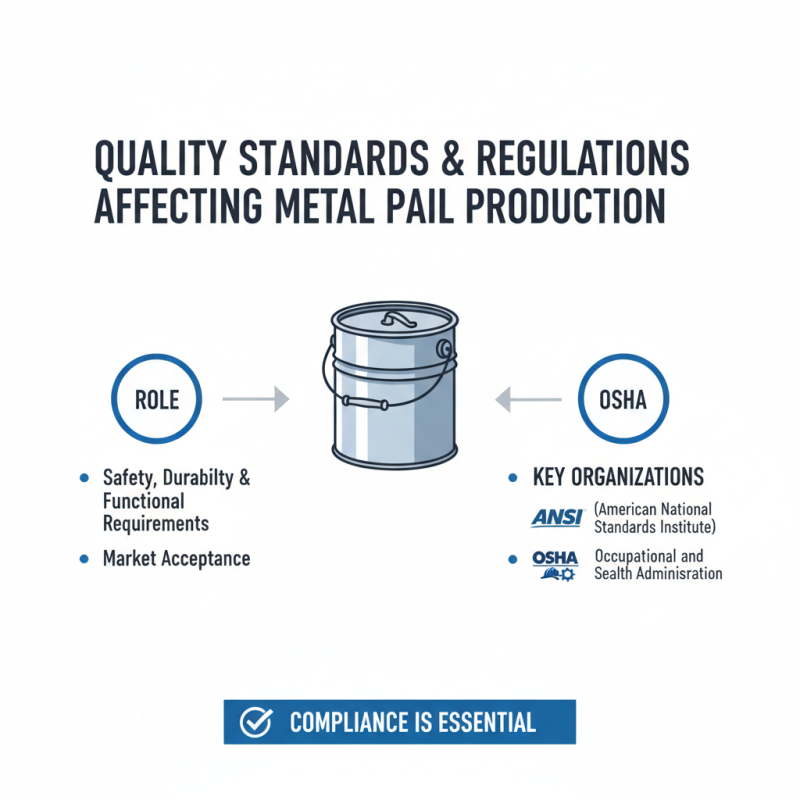
Quality standards and regulations play a crucial role in the production of metal pails. These guidelines ensure that the products meet safety, durability, and functional requirements. For instance, the American National Standards Institute (ANSI) and the Occupational Safety and Health Administration (OSHA) set forth specific rules that manufacturers must follow. Compliance with these regulations is essential for market acceptance.
Manufacturers must also consider materials used in production. The materials should not only meet the required strength but also be resistant to corrosion. According to a recent industry report, metal pails made from high-quality steel show a 30% longer lifespan than those made from substandard materials. This implies that investing in quality can result in higher customer satisfaction.
However, achieving these standards is not always straightforward. Some manufacturers might cut corners to reduce costs. This can lead to non-compliance and affect product reliability. Regular audits and inspections are vital for maintaining quality. In essence, understanding and adhering to these standards can dramatically influence the overall success of metal pail production.