10 Essential Tips for Using Lever Lock Pail Lid Effectively
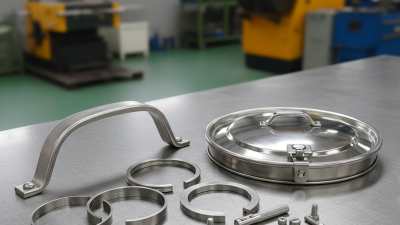
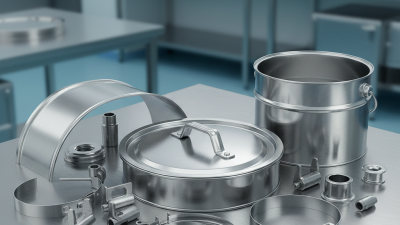
In the world of packaging, the "Lever Lock Pail Lid" stands out for its practicality and security. According to industry expert John Matthews, “A reliable seal is crucial for maintaining product integrity.” This simple yet effective lid offers a unique locking mechanism that prevents spills and contamination, making it ideal for various uses.
Experts emphasize the importance of proper technique when using the Lever Lock Pail Lid. Failing to engage the lever correctly can lead to issues. Users must ensure a tight seal to avoid product waste and maintain freshness. Yet, many overlook these vital steps when working with the lid.
Challenges do arise. Some users may find it difficult to lock or unlock the lid under certain conditions. It’s essential to practice with the lever to build confidence. Understanding the nuances of this lid can enhance user experience dramatically. By following these essential tips, users can navigate potential pitfalls effectively while benefiting from the unique design of the Lever Lock Pail Lid.
Understanding the Basics of Lever Lock Pail Lids
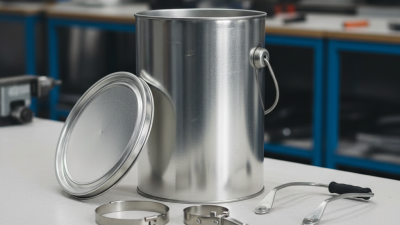
Lever lock pail lids are a great innovation for safely sealing containers. These lids provide a secure fit, protecting your contents from spills and contamination. Understanding how to use them effectively is crucial for optimal results.
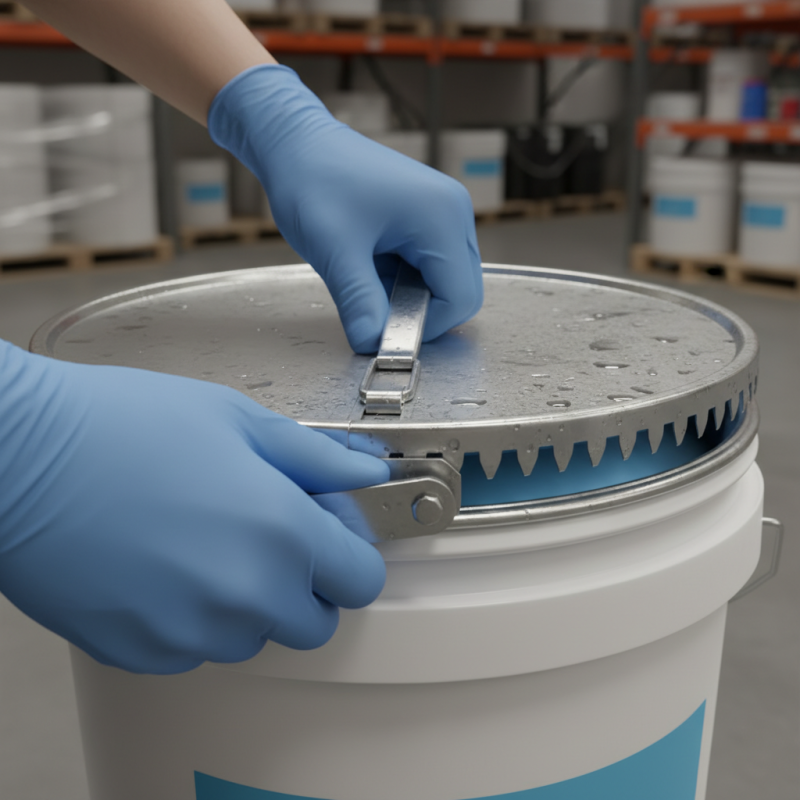
To utilize a lever lock pail lid, ensure that the pail is clean and dry before sealing. Align the lid properly with the pail’s rim. This ensures an airtight seal. Once in place, use the lever to lock it down. This simple step secures the lid and prevents accidental openings.
One common mistake is not checking the seal after closure. Press down on the lid to confirm it's tight. An improperly sealed lid may lead to leaks. Regularly inspect the lid for wear and tear. Replace it if necessary. Following these tips will enhance your experience with lever lock pail lids and help maintain the integrity of your stored items.
Benefits of Using Lever Lock Pail Lids for Storage
Lever lock pail lids offer numerous advantages for effective storage. They seal tightly, keeping contents secure from moisture and air. This feature extends the shelf life of food products, chemicals, or other materials. You don’t have to worry about spills or contamination.
Using these lids can be intuitive, but they also come with a few challenges. Sometimes, excessive force is needed to lock them properly. It’s crucial to check the seal before relying on it. Improper locking can lead to unexpected leaks. Additionally, choosing the right size pail matters. A lid too large or small will not function as intended.
These lids are not just durable; they help organize your workspace. When pails are stacked correctly, they save space and reduce clutter. However, if overpacked, they can be difficult to handle. Finding the right balance is key. Proper management of lever lock pail lids makes for more effective storage solutions.
10 Essential Tips for Using Lever Lock Pail Lid Effectively
The following chart illustrates the benefits of using Lever Lock Pail Lids for storage based on various essential tips. Each tip enhances the effectiveness and practicality of these lids in storing various materials.
Step-by-Step Guide to Properly Seal Your Pail
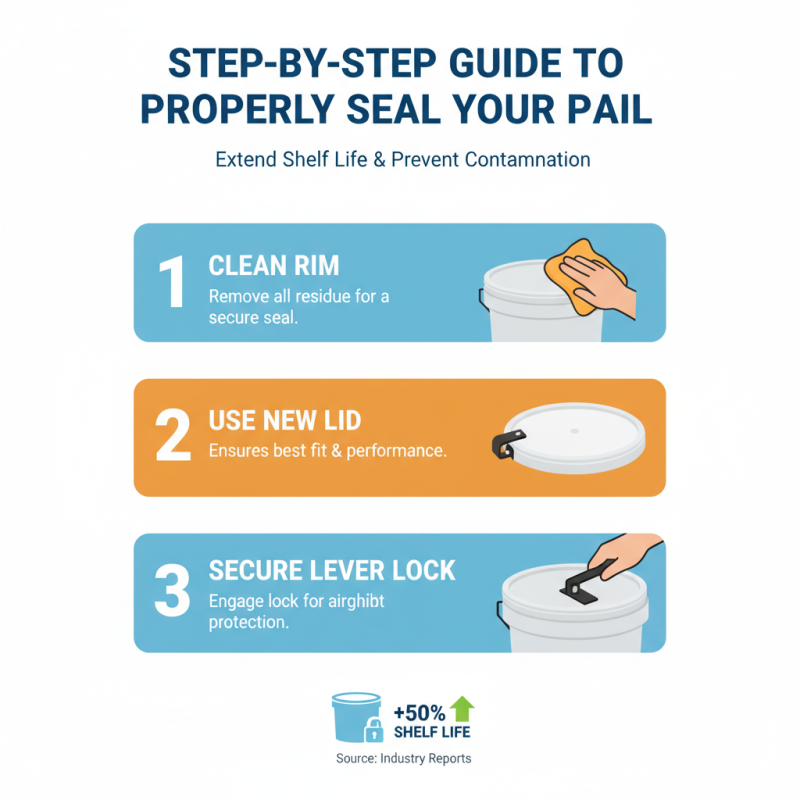
Sealing your pail properly is crucial for maintaining freshness and preventing contamination. A well-sealed pail lid can extend the shelf life of contents by up to 50%, according to industry reports. To achieve this, start by cleaning the rim of the pail. Any residue can compromise the seal's effectiveness. Using a new lever lock pail lid ensures the best fit and performance.
Next, position the lid over the pail. Apply even pressure to engage the lever properly. According to data from packaging studies, improper sealing is a common issue that can lead to spoilage. Make sure the lid makes a distinct clicking sound when locked. Remember, it's not just about securing the lid; it’s about ensuring a tight seal. If you notice any gaps, the lid may not function as intended.
Lastly, check the seal visually. A poorly sealed pail not only risks spoilage but can lead to spills. Proper training on sealing techniques is often overlooked. Continuous improvement in this area can reduce waste significantly. Research indicates that up to 30% of products are wasted due to inadequate sealing. Paying attention to details can lead to better product retention and satisfaction.
Maintaining Your Lever Lock Pail Lid for Longevity
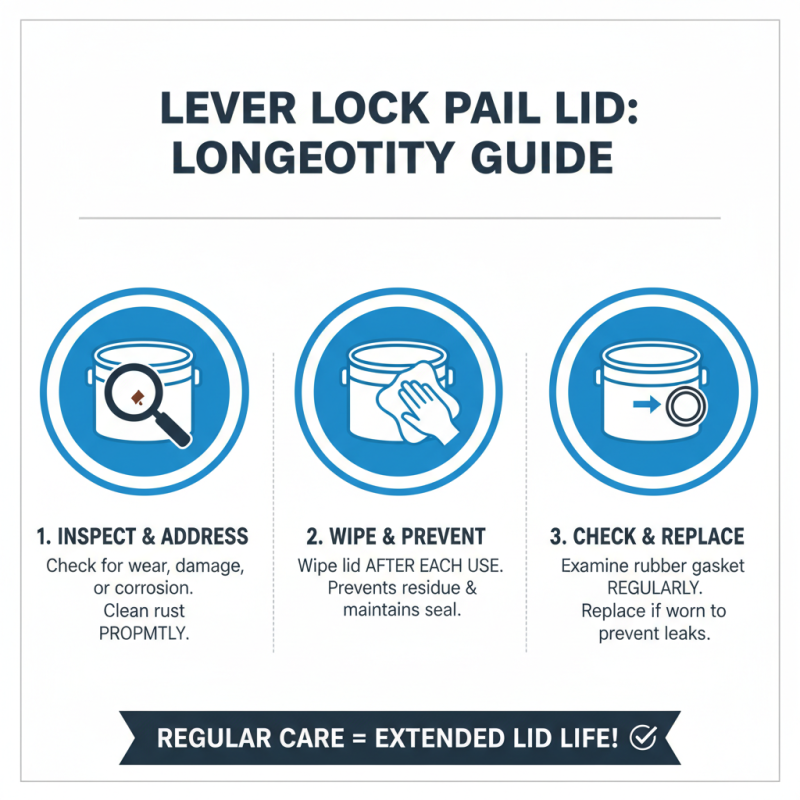
To ensure the longevity of your lever lock pail lid, regular maintenance is crucial. Begin by inspecting the lid and the locking mechanism for any signs of wear or damage. If you notice rust or corrosion, address it immediately. Use a damp cloth to wipe down the lid after each use. This prevents residue buildup that can affect the seal. Also, check the rubber gasket regularly. A worn gasket can lead to leaks. Replacing it when necessary can extend the life of your lid significantly.
Proper storage is another important aspect of maintenance. Store your pail lid in a cool, dry place away from direct sunlight. Extreme temperatures can warp the materials. When not in use, make sure the lid is secured to prevent accidental damage. Resistance to pressure changes is essential for effective sealing. Even minor adjustments can impact performance over time. Keeping the lid clean and stored correctly not only prolongs its life but ensures it functions effectively when you need it most. Take the time to reflect on your maintenance routine—it can save you from costly replacements down the line.
Common Mistakes to Avoid When Using Lever Lock Pail Lids
When using lever lock pail lids, many users overlook common mistakes that can lead to inefficiency and product spoilage. For instance, not ensuring a proper seal is a frequent error. According to industry research, an improper seal can increase contamination risk by up to 30%. This is critical, especially for sensitive materials. Always inspect the lid and the rim for debris. Any obstruction can compromise the lock.
Another common mistake is excessive force when using the lever. Applying too much pressure can damage the locking mechanism. It's essential to operate the lever gently. The right technique ensures longevity. Industry evaluations show that pails with frequent usage but proper care last 25% longer than those mishandled. It's vital to train all users in the correct methods.
Lastly, failing to rotate stock can encourage waste. Storing older products at the back while using new ones in front is a typical oversight. Regularly check your inventory to keep it fresh. Research indicates that around 20% of pail contents can go to waste if not monitored. Awareness and best practices can significantly reduce these pitfalls.