How to Identify Key Metal Pail Components for Optimal Usage?
When it comes to optimizing the usage of Metal Pail Components, understanding their specific attributes is crucial. John Smith, a leading expert in the metal packaging industry, emphasizes, “The right components can significantly enhance both durability and performance.” These components include the body, lid, handles, and sealing systems. Each plays a vital role in functionality and effectiveness.
The durability of the metal body determines the pail's resistance to impacts and environmental factors. A flawed design may lead to leaks or tears, causing wasted resources. The lid must provide a tight seal to prevent contamination, yet it should be easy to open. Handles need to be robust enough to support heavy loads while remaining comfortable for everyday use.
As we explore the optimal usage of Metal Pail Components, remember that each choice matters. Consider the intended application carefully. Overlooking any aspect might lead to inefficiencies in your operations. Reflecting on the importance of these components can improve user experience and satisfaction significantly.
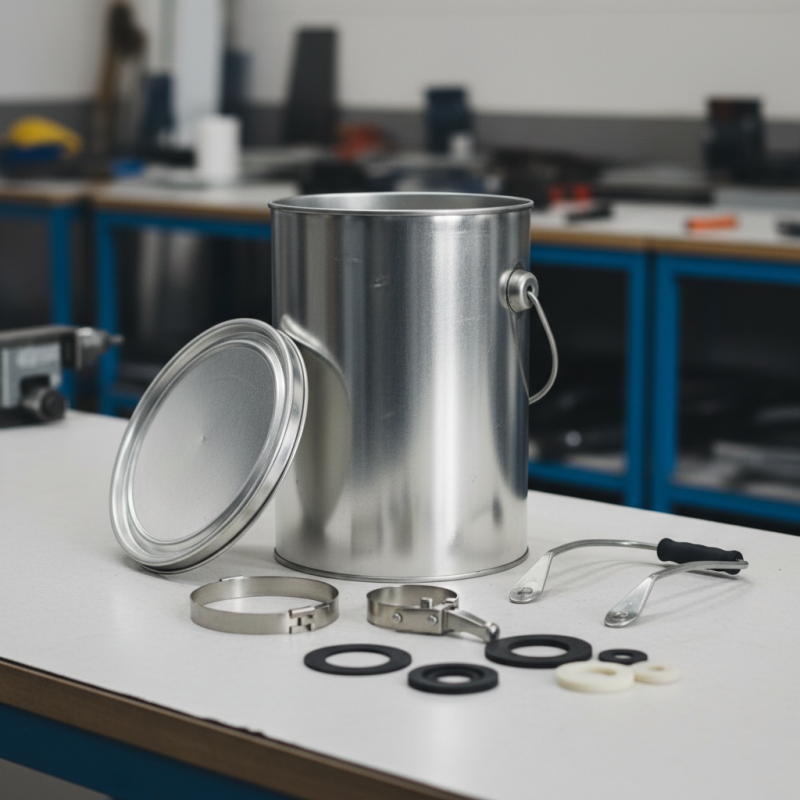
Understanding the Structure of Metal Pails and Their Components
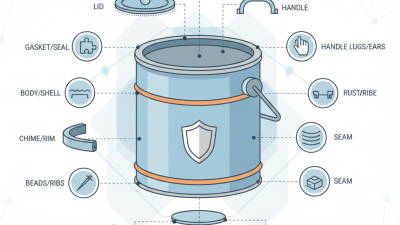
When using metal pails, understanding their structure is crucial. A typical metal pail consists of a
body, handle, and lid. The body is where materials are stored.
It is often cylindrical and made of sturdy metal. This design helps to maintain shape and resist impact.
Tips: Check the body for dents. Dents can weaken the structure. Even small imperfections may cause issues during usage.
The handle provides convenience for carrying. It’s often a wire or strap that can be detached or fixed.
Ensure the handle is secure. A loose handle could result in spills or accidents.
Tips: Test the handle before use. Make sure it is firmly attached. This quick check can save you from potential mess.
Lids may be fitted or removable. They secure the contents within the pail. A tight seal prevents spills and contamination.
However, not all lids fit perfectly. Some might warp after use.
Tips: Inspect the lid for warping. A warped lid may not provide an airtight seal.
It’s worth noting that sometimes the lid can be mismatched with the body.
Identifying Different Types of Metal Used in Pail Construction
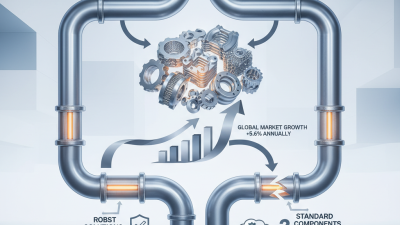
When choosing a metal pail, the type of metal significantly influences its durability and functionality. The dominant materials used in pail construction include steel and aluminum. Steel pails typically provide enhanced strength, making them ideal for heavy-duty applications. Aluminum, on the other hand, is lightweight, offering ease of transportation and handling. According to the Metal Pail Association, steel pails account for55% of the market due to their robustness.
Each metal has its distinct advantages. Steel can withstand extreme temperatures and is often coated for corrosion resistance. This makes it suitable for corrosive chemicals. Aluminum, however, is inherently resistant to rust, making it better for non-corrosive storage. A survey indicated that 40% of users prefer aluminum for food-grade applications. Users appreciate that it is lightweight yet durable enough for various uses.
Choosing the right metal pail is essential for optimal usage. However, it's vital to reflect on the specific needs of your application. Sometimes, a heavier pail may be more cumbersome and not suitable for certain tasks. It's crucial to weigh the pros and cons of each metal type before making a decision. Proper identification and understanding of these components can help ensure effective usage.
Key Metal Components Used in Pail Construction
Analyzing the Importance of Pail Handles for Ergonomics and Safety
When it comes to metal pails, the handles play a crucial role. They are not just there to carry the load. Ergonomics is key when using pails daily. A well-designed handle can reduce strain on hands and wrists. A poor handle can lead to discomfort and potential injury over time.
Many pail handles are made from metal, which can be hard and uncomfortable. Consider the angle and width of the handle. A wide handle distributes weight better, making it easier to lift. However, a handle that lacks grip can cause slipping. This is an area often overlooked. Users might not notice until discomfort arises after long use.
Safety is also tied to pail handles. A sturdy handle prevents drops and spills. It is frustrating when a handle bends or breaks under pressure. Reflecting on this, users should test handles before deciding. Think about how the pail will be used. A pail designed for heavy liquids needs a strong handle. Evaluating these aspects can lead to better choices and safer experiences.
How to Identify Key Metal Pail Components for Optimal Usage? - Analyzing the Importance of Pail Handles for Ergonomics and Safety
| Component |
Material |
Weight (grams) |
Ergonomic Design |
Safety Features |
| Handle |
Steel |
150 |
Contoured Grip |
Non-slip Coating |
| Body |
Aluminum |
300 |
Lightweight Structure |
Reinforced Edges |
| Lid |
Steel |
100 |
Sealed Rim |
Locking Mechanism |
| Bottom |
Plastic |
200 |
Non-slip Base |
Reinforced Support |
Evaluating the Role of Lids and Seals in Preserving Contents
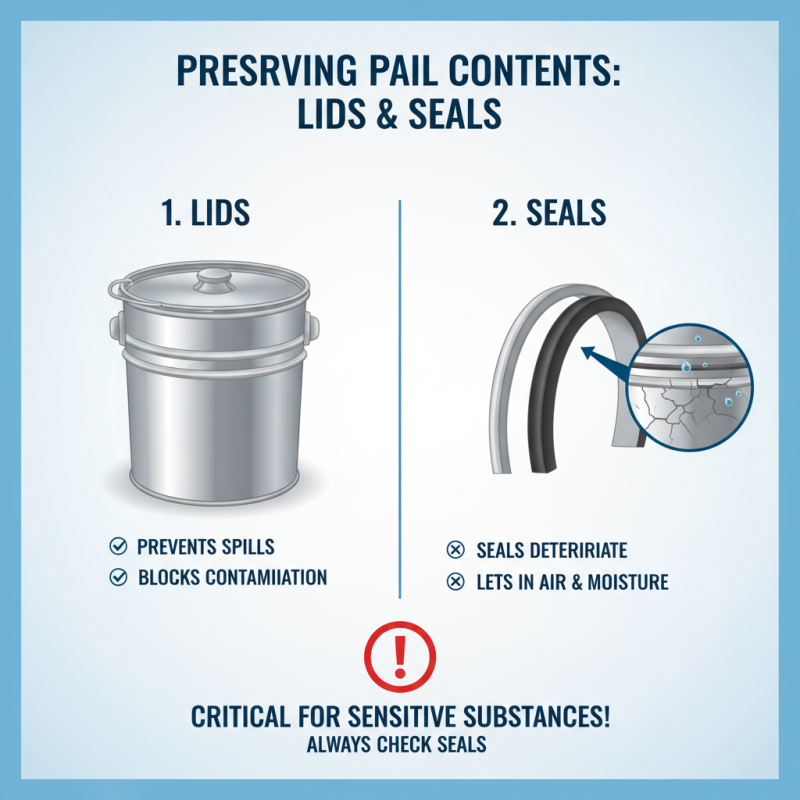
When it comes to metal pails, the lid and seal play a crucial role in preserving contents. A tight-fitting lid can prevent spills and contamination. However, many people overlook the importance of checking seals. Over time, seals can deteriorate, allowing air and moisture into the pail. This is a critical issue for substances that are sensitive to environmental changes.
Proper evaluation of the lid and seal is essential. In many cases, users may find that the pail’s seal does not fit as snugly as it should. This can lead to unexpected spoilage or loss of effectiveness. It’s worth inspecting the seals regularly. Minor cracks or gaps can make a big difference. Additionally, consider the type of contents being stored. Chemicals or food items may require different sealing methods.
Each time you use a metal pail, the lid and seal must be checked. This can be a mundane task but is vital for optimal usage. Imagine a scenario where the wrong seal is used and spoilage occurs. Reflecting on these details can save money and maintain quality. Always stay vigilant about these components. Ensuring proper fit and functionality will enhance usage and longevity.
Recognizing Common Wear and Tear Indicators in Metal Pail Usage
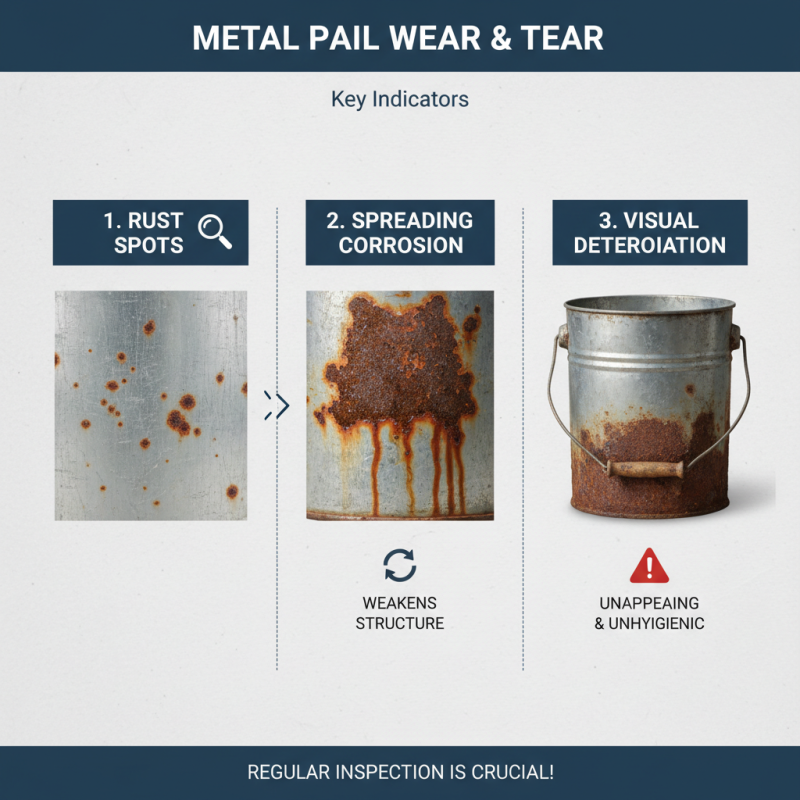
When using metal pails, wear and tear are inevitable. Over time, you might notice rust forming on the surface. This often starts as small spots but can spread quickly. Inspect the pail regularly for any signs of corrosion. A rusty pail not only looks unappealing but can also weaken its structure.
Another common issue is denting. Metal pails can get banged around during transport or storage. Dents may not seem serious at first, yet they can create weak points. Over time, these weak areas could lead to leaks. It’s crucial to check for dents and take action early.
Additionally, the lid might become misaligned. This affects how well the pail seals. A loose lid can allow contaminants inside. This could be a risk for the contents stored in the pail. Always ensure the lid fits snugly. Reflecting on these indicators can help maintain the pail’s integrity and ensure safe usage. Regular inspections are key to avoiding larger issues. Pay attention to these details to ensure optimal performance.