How to Identify Key Paint Can Components for Effective Use?
Understanding the essential components of paint cans is crucial for both manufacturers and consumers. According to James Thornton, a leading expert in the paint industry, "The right paint can components can make all the difference in product performance." This highlights the importance of exploring each element that influences usability and effectiveness.
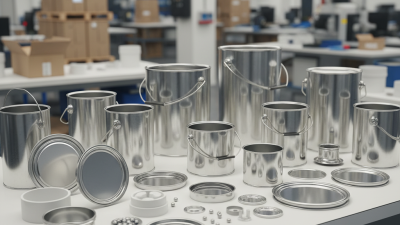
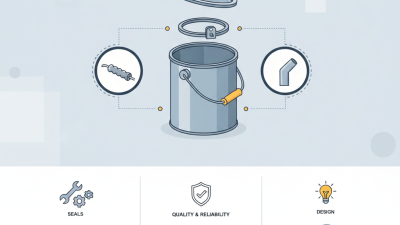
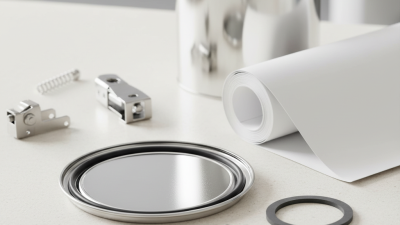
Paint can components include lids, seals, and labels. Each piece plays a role in maintaining product integrity. For instance, a faulty seal can lead to dried paint, causing frustration for users. In addition, labels provide vital information, impacting customer experience. Ignoring these details can lead to wasted resources.
Moreover, manufacturers must ensure that these components align with environmental standards. As industry standards evolve, so should the materials used in paint can components. A reflective approach will enhance product reliability and user satisfaction. Identifying these components is not just about functionality; it is about enhancing the overall painting experience.
Understanding the Basic Structure of a Paint Can
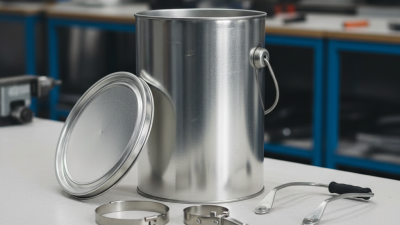
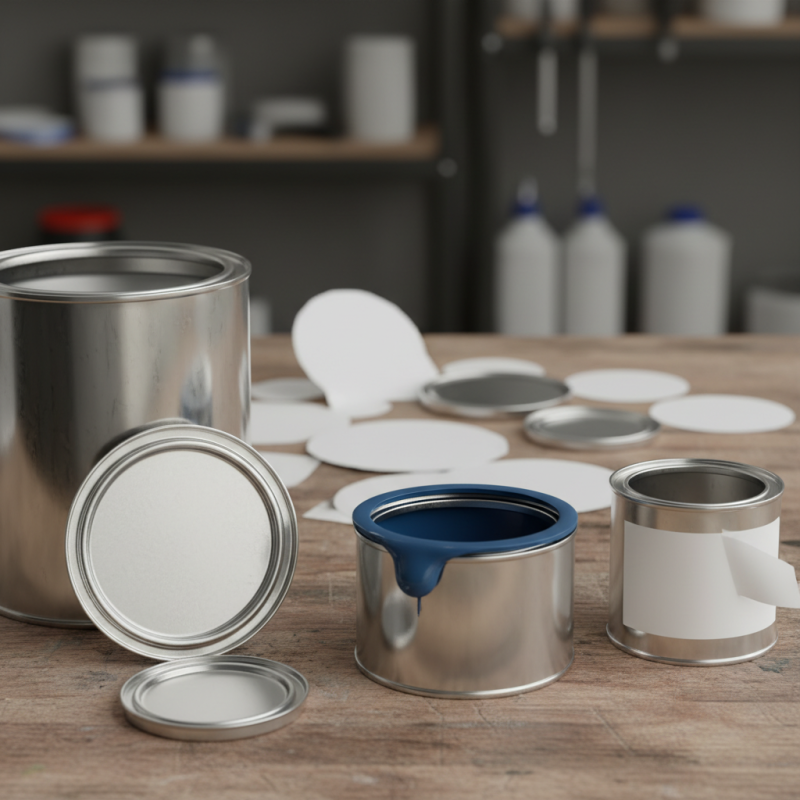
Understanding the basic structure of a paint can is crucial for effective usage. A typical paint can consists of several key components: the body, lid, and liner. The body is often made of metal or plastic. It provides the strength needed to contain various types of paint. The lid, usually a separate piece, creates an airtight seal. This helps prevent drying out.
Data indicates that around 75% of paint waste can be linked to improper can handling. Mishandled cans may leak or corrode. Proper sealing is essential to maintain paint quality. The liner is another important element. It minimizes contact between the paint and the can, preserving the paint's consistency. A poor-quality liner can negatively impact the paint, leading to separation.
It's worth noting that different paint types may require specific can designs. For example, latex paints often need cans that minimize moisture exposure. Users should be cautious with unfamiliar cans. Knowing how each component works can significantly enhance painting outcomes. Regular inspections of can integrity are recommended. This simple act can save both time and resources over the long term.
Understanding Key Paint Can Components
Key Components: Lid, Body, and Bottom of the Paint Can
When considering a paint can, its key components play a vital role in usability. The lid is essential for preventing paint from drying out. A well-sealed lid ensures that the consistency remains intact. Loose or damaged lids can lead to significant waste, with studies indicating that up to 15% of paint can be lost due to poor sealing.
The body of the paint can holds the majority of the paint. It's crucial for the material to be durable and prevent leaks. Quality metal construction can enhance durability. Reports suggest that consumers often overlook body integrity, resulting in spills and contamination. The design should facilitate easy pouring and measuring, which many users find challenging. Misaligned spouts can lead to frustration, highlighting the need for improvement in ergonomic design.
The bottom of the paint can also deserves attention. A sturdy bottom ensures stability and can prevent tipping. Many cans suffer from bending at this point, posing risks during use. Industry data show that about 7% of paint mishaps stem from structural failures at the bottom. This suggests a need for more robust materials and designs. The interplay of these components significantly affects functionality, making it essential for manufacturers to assess common flaws.
How to Identify Key Paint Can Components for Effective Use? - Key Components: Lid, Body, and Bottom of the Paint Can
| Component |
Description |
Material |
Function |
| Lid |
The top cover of the paint can, designed to prevent spillage and contamination. |
Metal or Plastic |
Seals the can tightly for preservation. |
| Body |
The main container that holds the paint, typically cylindrical in shape. |
Metal or Plastic |
Holds the paint securely, designed to resist corrosion. |
| Bottom |
The base of the paint can, providing stability. |
Metal or Plastic |
Supports the can and keeps the paint contained. |
Material Choices: Metal vs. Plastic Paint Cans
When choosing between metal and plastic paint cans, several factors come into play. Metal cans often have a classic appeal. They provide a sturdy option for storage. However, they can be heavier and may rust over time. Consider the type of paint you store. Some paints react poorly with metal.
Plastic cans, on the other hand, are lightweight. They are generally resistant to rust and corrosion, making them suitable for various climates.
Cost is another significant factor. Metal cans can be more expensive due to manufacturing processes. Plastic cans tend to be less costly, but they can lack the durability of metal. It's essential to evaluate how often you need to replace your storage.
Think about the environment too. More manufacturers are moving towards recyclable plastic solutions. This choice can enhance sustainability while minimizing waste.
Make sure to assess the paint type. Oil-based paints might require specific materials for safe storage. Many factors influence your decision. Experimenting with both types can help you find what works best. Your choice may change over time as you learn more about your needs.
Reflection and adaptation will ultimately lead to better paint storage practices.
Importance of Seal and Closure Mechanisms
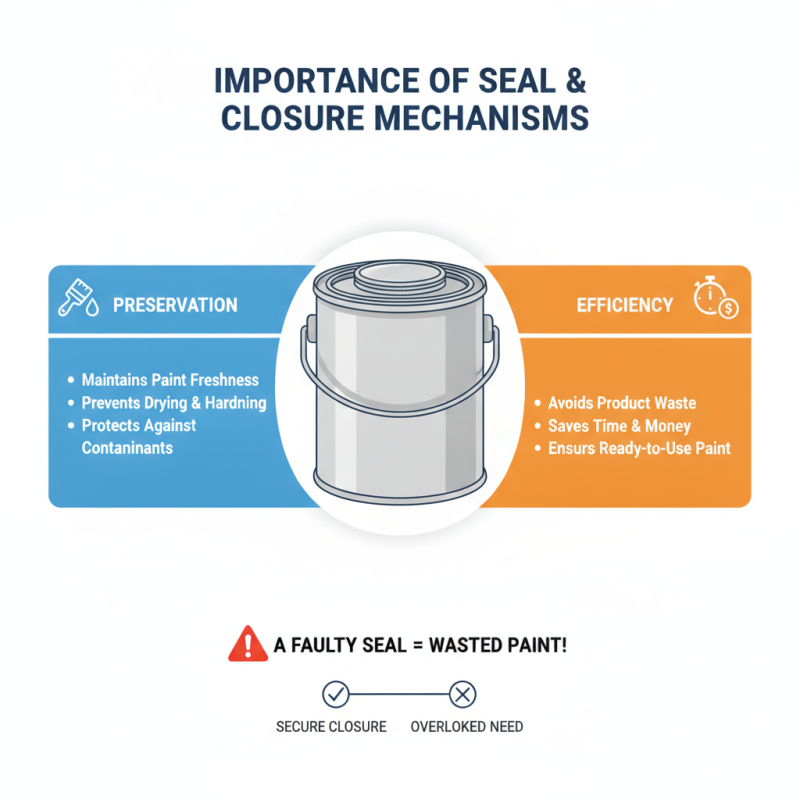
When using paint cans, the importance of seal and closure mechanisms cannot be overstated. These components play a crucial role in preserving the integrity of the paint. A faulty seal can lead to drying or contamination. Often, users overlook the need for a secure closure, resulting in wasted product and time.
Proper seals create an airtight barrier, preventing paint oxidation. Without this barrier, colors may fade or change in texture. Users frequently encounter issues due to improper sealing. Paint can dry out, leading to frustration during projects. A simple check can save both time and resources, though many forget this step during busy schedules.
Some designs might seem innovative but can be less effective. A design that looks good may not guarantee the best seal. Users should assess both functionality and aesthetics. Learning from these experiences is vital. Reflecting on past issues can lead to better choices in paint can selection and use. Always prioritize reliable mechanisms for the best results in any project.
Identifying Quality Indicators in Paint Can Components
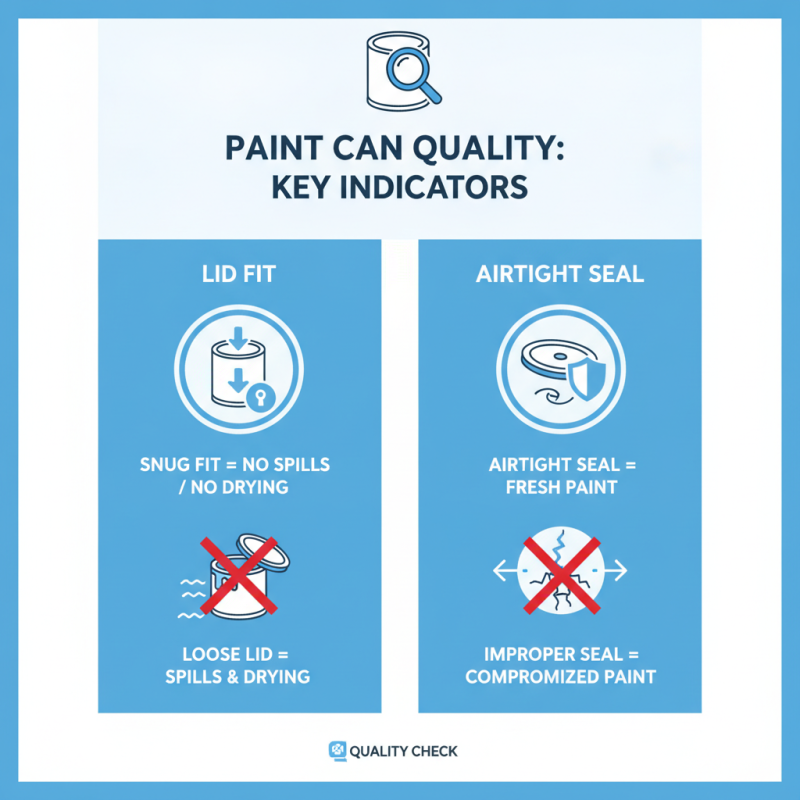
When evaluating paint can components, focus on quality indicators. The lid should fit snugly. A loose lid can lead to spills and drying out. Check the seal as well; it should be airtight. An improper seal lets air in, compromising the paint’s integrity.
Next, consider the can's material. Metal cans often offer more durability than plastic. However, plastic can provide lightweight portability. Look for cans that are not bent or damaged. Dents can indicate rough handling, which affects the paint inside.
Also, examine the label. It should be clear and informative. Misleading labels can lead to purchasing the wrong product. Always read the instructions. They provide insights into the best application methods. Remember, quality components result in better performance, but take the time to reflect on your choices. Not every indicator guarantees a perfect paint experience.