How to Identify Paint Can Components for Efficient Packaging?
Identifying the critical components of paint cans is vital for efficient packaging. According to industry expert Dr. Emily Lawson, "Understanding Paint Can Components is key to minimizing waste and ensuring quality." Her insight reflects a broader understanding of how specific elements contribute to a product’s effectiveness.
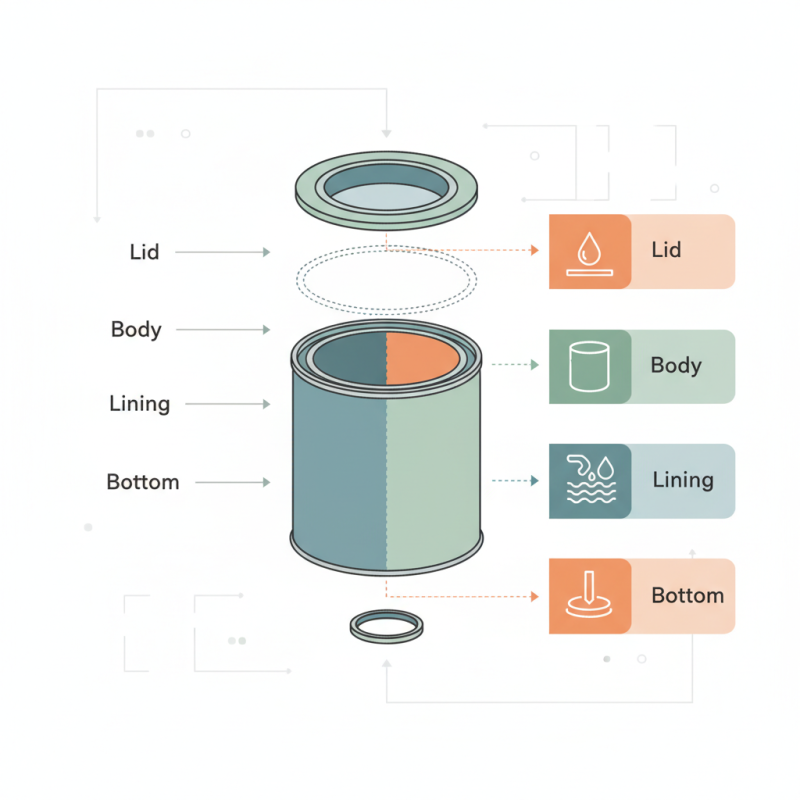
Paint can components include the lid, body, and lining, among others. Each part serves a specific function that ensures the paint remains intact and usable. A well-designed lid prevents spills and maximizes freshness. Attention to detail in these components can make a significant difference in product performance. It's surprising how often packaging does not meet industry standards, which can lead to dissatisfaction.
However, identifying these components is not always straightforward. Many manufacturers overlook the importance of quality in these small parts. This oversight can result in not only increased costs but also product failures. Therefore, evaluating and understanding paint can components is essential for packaging efficiency. There is always room for improvement, and reflective practices can lead to better choices in the future.
Understanding the Basic Components of a Paint Can
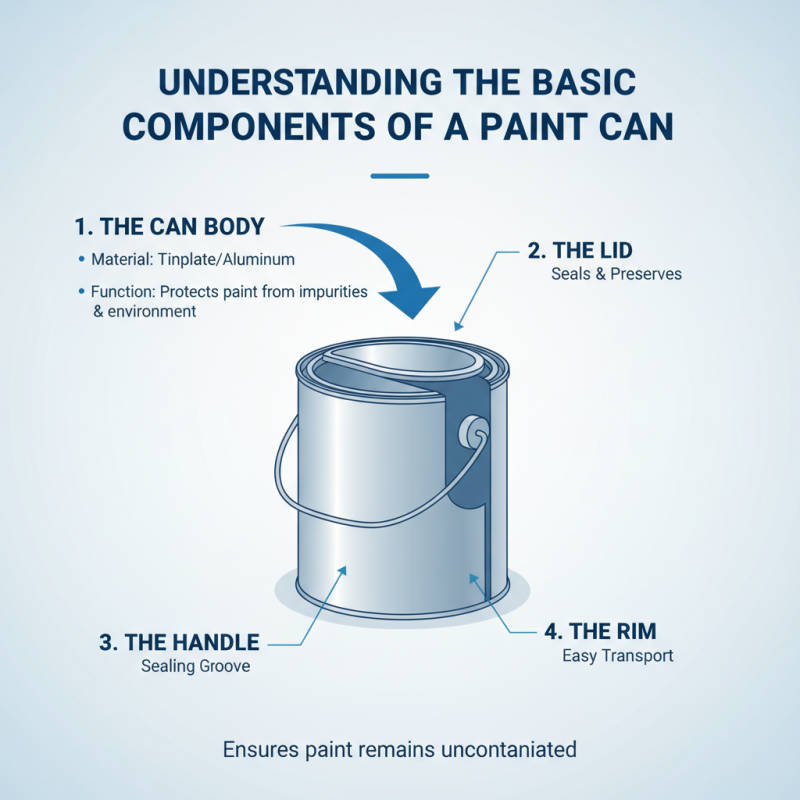
When examining a paint can, you find several essential components. The primary part is the can itself, usually made of tinplate or aluminum. This material protects the paint from impurities and environmental factors. A well-designed can ensures the paint remains uncontaminated for longer periods.
Another significant component is the lid. It comes in various styles, including metal and plastic. A tight-fitting lid preserves the paint’s quality by preventing air exposure. If the lid is damaged or does not seal properly, the paint may dry out. This situation is frustrating and wasteful.
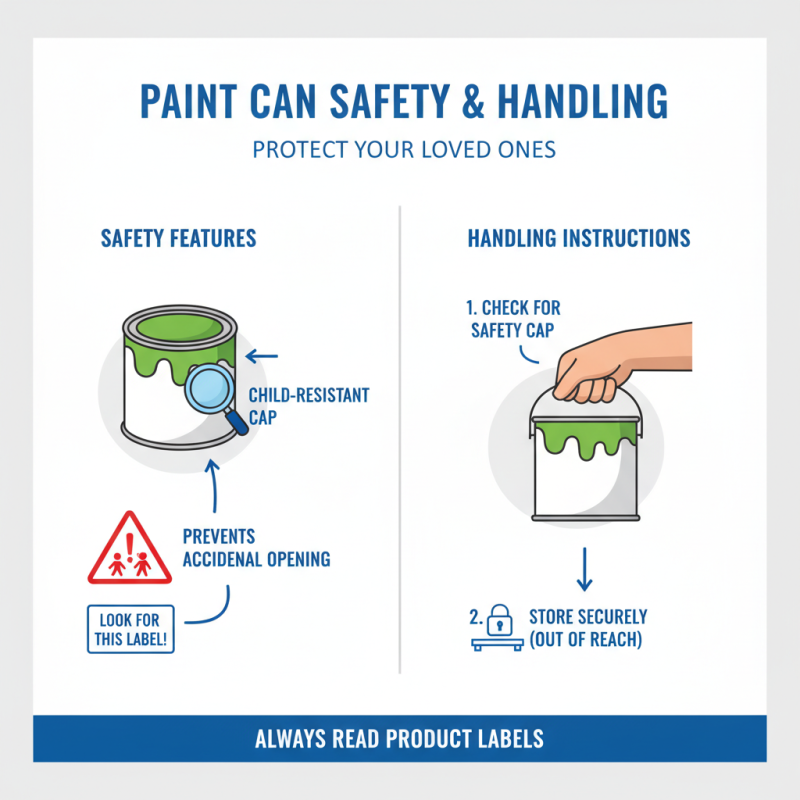
Don't overlook the label. It provides crucial information about the paint's properties, such as color, type, and safety instructions. Accurate labeling helps in proper use and storage. Consumers often ignore labels, leading to misapplication or safety risks. Understanding these components enhances packaging efficiency while ensuring paint durability.
Identifying Paint Can Materials for Recycling and Reuse
Identifying the materials of paint cans is crucial for effective recycling and reuse. Most cans are made of metal or plastic. Metal paint cans are often steel or aluminum. These materials are valuable in recycling programs. They can be melted down and repurposed into new products. However, the presence of residual paint can complicate the recycling process. Clearing out any leftover paint often requires effort.
Plastic paint cans are less common, but they exist. Identifying these cans means checking the type of plastic used. Many are made from high-density polyethylene (HDPE) or polypropylene. These plastics can be recycled efficiently, but contamination is again a challenge. A good rinse can improve the chances of successful recycling.
While recognizing these materials is essential, not all regions have the same recycling capabilities. Some areas may lack facilities to handle specific materials. This means checking local guidelines is critical. Understanding the environment where paint cans are disposed of or recycled can lead to better practices. Reflecting on one's own habits is valuable. Are we doing enough to ensure that paint cans are disposed of properly? This self-assessment is key to fostering a culture of sustainability.
How to Identify Paint Can Components for Efficient Packaging? - Identifying Paint Can Materials for Recycling and Reuse
| Component |
Material Type |
Recyclability |
Reuse Potential |
| Can Body |
Steel |
Yes |
High |
| Can Lid |
Plastic |
Yes |
Medium |
| Label |
Paper |
Yes |
Medium |
| Seal |
Plastic |
Yes |
Low |
| Handle |
Plastic |
Yes |
Medium |
Assessing the Function of Lids and Seals in Paint Cans
When it comes to paint can packaging, lids and seals play crucial roles. Lids ensure a tight closure, protecting the paint from contamination and evaporation. A good seal prevents air from entering, which can alter the paint's consistency and performance over time. Choosing the right lid and seal can impact both the product quality and user experience.
Tips: Look for lids that have rubber gaskets for a better seal. This material provides excellent resistance to moisture and air. Regularly check seals for wear and tear, as a compromised seal may lead to leakage. If users notice any signs of damage, consider replacing the can.
Another key aspect is the fit of the lid. A poorly fitted lid can cause frustration during use and lead to spills. It's essential to ensure that lids are compatible with the can's design. A snug fit not only keeps the paint fresh but also minimizes mess. Remember, even minor imperfections in sealing can lead to larger issues in the long run. Regular inspections can help catch these problems early.
Examining Labels and Their Importance in Paint Packaging
Labels play a crucial role in paint packaging. They serve as the first point of contact between the product and the consumer. A well-designed label provides vital information. This includes paint type, finish, and its intended use. Clear instructions enhance user comprehension, reducing application errors. Miscommunication can lead to poor results and disappointed customers.
Moreover, labels also ensure compliance with safety regulations. They often contain hazard warnings and safety information. This is essential not only for user safety but also for promoting responsible use. Many packaging errors arise from misunderstandings related to labels. It's important for manufacturers to continually assess and update their labeling practices. Consumer feedback can highlight areas for improvement.
The design and placement of labels matter too. A cluttered label can confuse, while a simple, organized design can enhance readability. Visual elements should align with the product’s market position. This demands careful attention during the design process. Reflecting on these elements can reframe our approach to paint packaging. Balancing aesthetic appeal and practical information is key.
How to Identify Paint Can Components for Efficient Packaging?