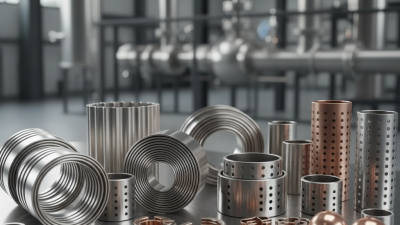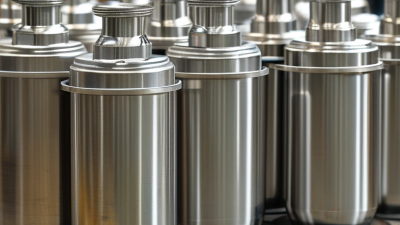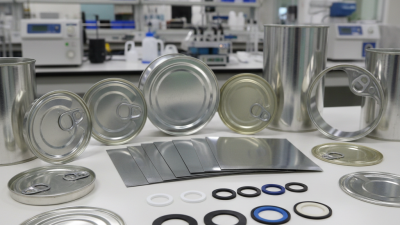
Choosing Metal Packing Components is rarely a simple matter of comparing prices and dimensions. The right selection affects sealing performance, equipment safety, maintenance time, and long-term operating costs. A component that looks suitable on a specification sheet may behave differently under heat, pressure, vibration, or chemical exposure. Small details matter.
Experienced engineers usually examine material grade, density, compression behavior, surface finish, and dimensional accuracy. They also consider installation conditions, service temperature, pressure changes, and contact with nearby metals. Stainless steel, copper, aluminum, and specialized alloys offer different advantages. However, no material performs perfectly in every environment. A reliable decision requires verified data, clear supplier documentation, and practical knowledge from similar applications. Testing remains valuable, especially when failure could stop production or damage connected equipment.
These ten tips provide a practical framework for evaluating Metal Packing Components with greater confidence. They address material compatibility, manufacturing quality, sealing requirements, supplier credibility, inspection methods, and total ownership cost. Field experience often reveals problems that laboratory data misses, such as uneven compression or difficult replacement access. That reality deserves attention. A checklist helps, but it cannot replace engineering judgment. Reviewing the final choice with qualified technicians can expose assumptions before installation. The goal is not to select the most expensive component. It is to choose a dependable part that matches real operating conditions and remains maintainable over time. Some applications still require specialist testing. That step may feel slow, yet it can prevent costly and avoidable mistakes.
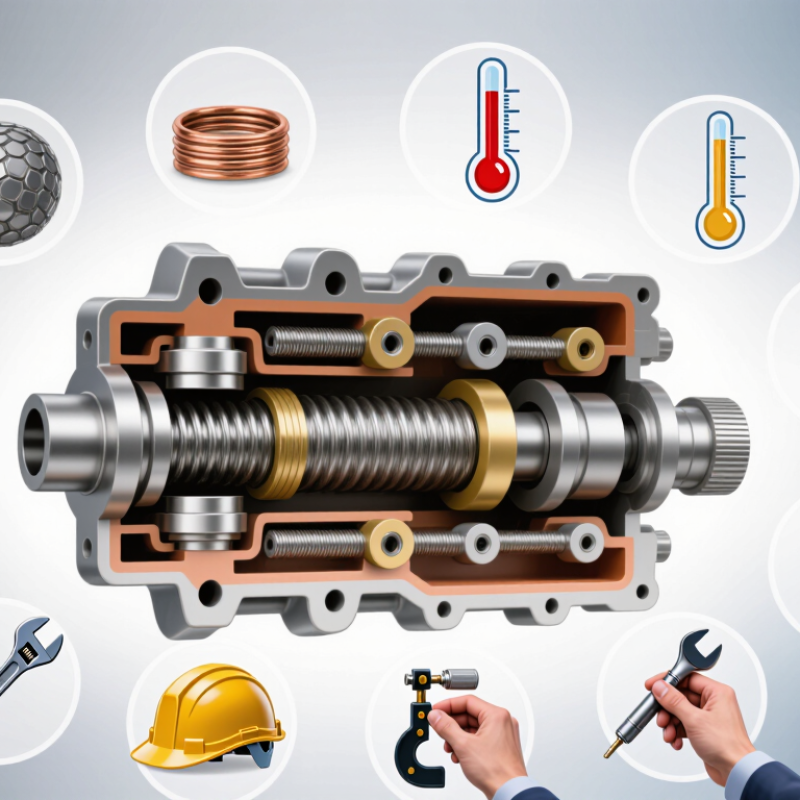
Metal packing components support mass transfer, filtration, and separation inside demanding process equipment. Their applications include distillation columns, absorption towers, scrubbers, and catalytic reactors. The right component depends on liquid flow, vapor velocity, temperature, pressure, and chemical exposure. Check material compatibility before comparing prices. Stainless steel may suit humid service, while nickel-based alloys can handle harsher chemical conditions. Yet material selection is rarely perfect on the first review.
Process engineers should examine ten practical points: geometry, surface area, void fraction, pressure drop, corrosion resistance, mechanical strength, installation access, cleaning needs, supplier documentation, and lifecycle cost. A smaller pressure drop can reduce operating energy, but excessive surface area may increase fouling risk. The U.S. Department of Energy’s Industrial Decarbonization Roadmap identifies industry as responsible for about 24% of U.S. direct greenhouse-gas emissions. Efficient separation equipment therefore matters beyond equipment-room performance. Small design choices can affect pumps, compressors, and emissions.
Real operating conditions deserve more attention. The European Commission’s Best Available Techniques reference documents describe packed systems as important equipment for gas treatment and chemical processing. Inspectors should look for crushed edges, uneven loading, liquid maldistribution, and blocked channels. These details are easy to miss. I once underestimated access for maintenance; the component performed well, but removal became unnecessarily difficult. Selection should combine test data, field experience, and a documented review of changing feed conditions. Industry reports provide useful benchmarks, but they cannot replace plant-specific validation.

Metal packing components must match the service, not merely the drawing.
Identify the fluid, temperature, pressure, shaft speed, and exposure time before selecting metal.
ISO 15510:2014 helps compare alloy designations, but certificates still require careful review. The NACE IMPACT study estimated global corrosion costs at 2.5 trillion dollars annually, or about 3.4% of global GDP. Material selection deserves that level of attention.
Size errors often look harmless.
A ring only 0.5 millimeters too wide can increase friction, heat, and leakage risk.
Do not trust one caliper reading. It is a weak habit. For load-bearing applications, calculate contact pressure, compression, bending, and fatigue.
ASME Boiler and Pressure Vessel Code Section VIII requires allowable stress checks at design temperature, not room temperature. That detail is frequently missed.
Select a safety factor from the governing design code, not personal preference. Review galvanic pairing when different metals touch. A stainless component beside carbon steel may need isolation.
One imperfect assumption can distort the whole selection. Recheck the stack-up with installed tolerances, because laboratory dimensions rarely match a hot, vibrating machine.
10 Tips for Choosing Metal Packing Components
Corrosion resistance should match the actual service environment, not a catalogue label. Moisture, chlorides, acids, temperature, and cleaning chemicals can attack different metal surfaces. ISO 9223 classifies atmospheric corrosivity by pollutants, humidity, and time of wetness. That framework helps engineers avoid vague terms such as “weather resistant.” For packing components, inspect every contact point, including springs, retainers, mesh, and fasteners. A small rust spot can contaminate products or weaken a seal. Stainless steel often suits humid facilities, while nickel-based alloys may perform better in hot chloride or acidic conditions. Carbon steel remains economical, but its coating requires careful inspection.
The NACE IMPACT study estimated global corrosion costs at 2.5 trillion US dollars annually, equal to about 3.4% of global gross domestic product. It also reported that 15–35% of corrosion costs could be prevented through better practices. These figures make material selection an environmental decision, not only a maintenance choice. Longer service life reduces replacement metal, transport, waste, and unplanned shutdowns. However, higher alloy content does not automatically mean better sustainability. Mining impacts, fabrication energy, cleaning agents, and end-of-life recovery also matter. I would request corrosion-test evidence under site-specific conditions, preferably with exposure duration and failure observations. Laboratory results can mislead. Real humidity cycles, abrasive particles, and chemical residues often behave differently. A component that survives one salt-spray test may still fail beside a washdown line. Consider recycled content and recyclability, but verify claims through supplier documentation and life-cycle data.
Metal packing components should fit the equipment, process, and maintenance plan.
Tip: Check dimensions against the vessel drawing, not memory. Small gaps can create vibration, leakage, or uneven loading.
Tip: Review material compatibility with temperature, pressure, chemicals, and moisture. Stainless alloys may resist corrosion, but the wrong grade can still fail.
Tip: Compare surface finish and geometry with the required contact area.
Tip: Request test data, tolerances, and traceable material records. I have found that attractive designs sometimes perform poorly under real operating conditions.
Performance depends on more than rated capacity.
Tip: Examine pressure drop, heat transfer, flow distribution, and resistance to fouling.
Tip: Ask whether performance data reflects your actual gas, liquid, and operating range. Laboratory results may not predict a dusty or fluctuating process.
Tip: Check mechanical strength during transport and loading.
Tip: Inspect edges, welds, and support points before installation. Handle carefully.
During installation, keep components clean and aligned.
Tip: Follow the approved loading sequence and avoid forcing parts into place.
Tip: Verify clearances around distributors, supports, and access points. A rushed installation can erase a good design.
Maintenance planning should begin before commissioning.
Tip: Record baseline pressure drop, flow behavior, and inspection findings.
Tip: Set practical inspection intervals using fouling, corrosion, and vibration history.
Tip: Look for deformation, discoloration, deposits, or loose pieces during shutdowns.
Tip: Keep replacement dimensions and material certificates in the maintenance file. I once treated a minor pressure change as noise; it later revealed uneven loading. That experience changed my inspection habits. Leave room for human error, because maintenance conditions are rarely perfect.
10 Tips for Choosing Metal Packing Components
The lowest unit price is rarely the lowest ownership cost. In plant sourcing reviews, I compare material grade, forming accuracy, surface treatment, freight, inspection, and replacement risk. The World Bank’s October 2024 Commodity Markets Outlook projected a 5% commodity-price decline in 2025. It expects another 2% in 2026. However, alloy surcharges and energy costs may still move differently. A lower steel price does not guarantee a lower finished-component price.
Ask suppliers for traceable mill certificates, dimensional records, corrosion-test results, and realistic lead times. World Steel Association statistics recorded about 1.89 billion tonnes of crude steel production in 2023. Large output supports availability, but it does not prove consistent packing quality. Request samples from normal production, not specially prepared pieces. Check welds, edges, flatness, and loading behavior. One overlooked tolerance can increase pressure drop, downtime, or installation labor. I once focused too heavily on quotation price. That decision ignored packaging damage during transport. It was cheaper on paper, not in operation. Build a landed-cost sheet covering scrap, tooling, customs, storage, maintenance, and emergency purchases. Use a small pilot order before committing to volume. Supplier references help, but recent audit evidence matters more.
Material density is a practical cost-efficiency factor because higher density increases shipping weight for components with the same volume. The reference values shown are nominal room-temperature densities: aluminum 2.70, titanium 4.51, carbon steel 7.85, stainless steel 304 8.00, and copper 8.96 g/cm³. Supplier quotations should also be evaluated against durability, machining, corrosion resistance, packaging, and logistics costs.