Top 10 Metal Pail Components You Need to Know About?
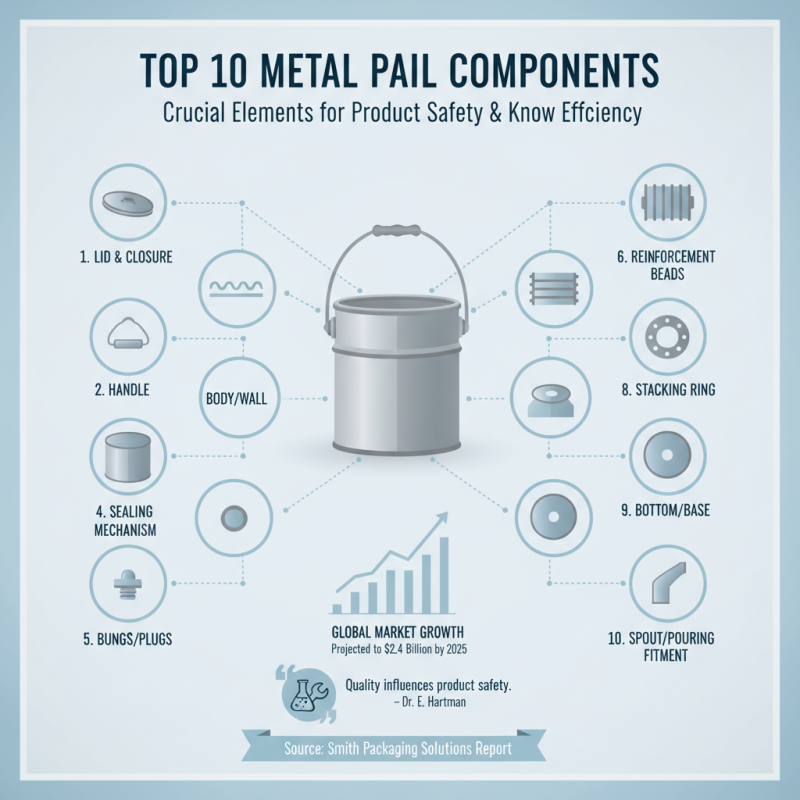
In the ever-evolving world of packaging, understanding "Metal Pail Components" is crucial. According to a recent report by Smith Packaging Solutions, the global market for metal pails is projected to reach $2.4 billion by 2025. This growth highlights the rising importance of pail components in various industries, including food, chemicals, and pharmaceuticals.
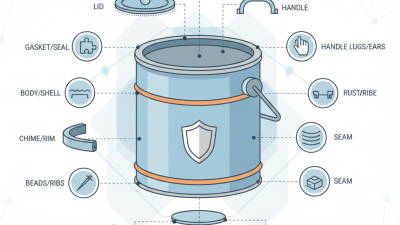
Industry expert Dr. Emily Hartman emphasizes, "The quality of metal pail components directly influences product safety and efficiency." Her insight underscores the need for manufacturers to consider every element, from the lid and handle to the body and sealing mechanism. Each component plays a pivotal role in maintaining product integrity.
However, navigating this component landscape is not without challenges. Many companies struggle with selecting the right materials and designs. Often, decisions are made without adequate testing or understanding of the components’ long-term performance. As the industry evolves, addressing these gaps in knowledge will be essential for sustaining quality and reliability in metal packaging.
Essential Features of Metal Pails: An Overview
Metal pails are essential in various industries, particularly in food storage, chemicals, and coatings. Their durability and versatility make them a favorite among businesses. According to the Global Metal Pail Market Report, the industry is projected to grow significantly, driven by increasing demands for sustainable packaging solutions. Understanding the core components of metal pails is crucial.
One essential feature of metal pails is their material composition. Typically made from steel or aluminum, these materials provide strength and resistance to corrosion. Additionally, the surface treatment plays a vital role. For example, galvanized steel enhances durability, increasing the pail's lifespan. This can lead to cost savings over time.
Tip: Always check if the metal pail is compliant with food safety standards when intended for consumables. Seals and lids are equally important, ensuring contents remain secure and uncontaminated.
Another critical aspect is the pail's design. Features like handles and spouts can enhance usability, providing convenience during pouring or transporting. Industry experts highlight that ergonomic designs reduce the risk of spills, ensuring safety in handling. However, finding the right balance between weight and strength can be challenging; lighter pails may compromise durability.
Tip: Evaluate the weight of your metal pail versus its intended use to ensure it meets your requirements without being unnecessarily heavy. Overall, understanding these features enhances your ability to choose the best metal pail for your needs.
Common Materials Used in Metal Pail Construction
When it comes to metal pail construction, various materials play critical roles. Common options include stainless steel, aluminum, and carbon steel. Each material has unique properties that contribute to durability, corrosion resistance, and suitability for specific applications. For instance, stainless steel is favored in industries requiring high sanitation standards, such as food processing.
Consider the environmental factors when choosing materials. Aluminum is lightweight and resistant to rust but may not withstand high temperatures as well as carbon steel. Each material comes with trade-offs. Reflect on the needs of your application. This helps ensure optimal performance and longevity.
**Tip:** Always assess the weight and handle design of metal pails. Ergonomics matter for safety and ease of use. Make informed decisions based on the intended use, whether it's for storage, transport, or both. Durability should never be compromised for cost. Consider the long-term implications of your material choices.
Top 10 Metal Pail Components You Need to Know About
Understanding the Role of Metal Pail Linings
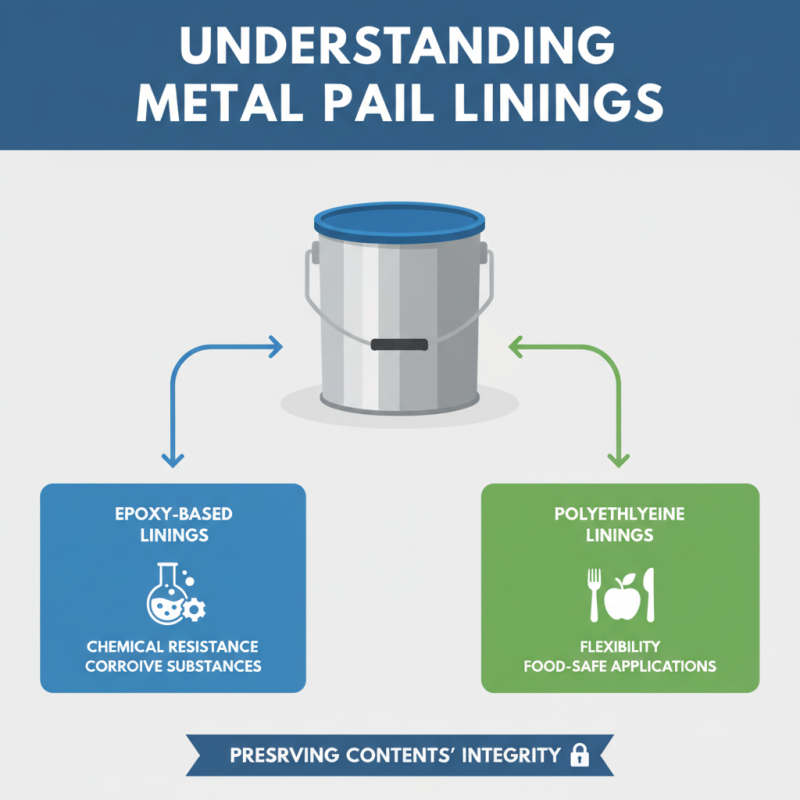
Metal pail linings play a crucial role in preserving the integrity of the contents inside. These linings come in various materials, each tailored for specific uses. For instance, epoxy-based linings offer excellent chemical resistance. This makes them ideal for corrosive substances. On the other hand, polyethylene linings provide flexibility and are effective for food-safe applications.
Choosing the right lining ensures product safety and longevity. However, not all linings are perfect. Some may degrade over time, especially under extreme conditions. Users should regularly inspect their pails for signs of wear. Additionally, understanding how linings interact with different materials can be tricky. It requires a keen eye and knowledge of chemistry. Mistakes in lining choices could lead to contamination or accidents. Therefore, staying informed about the latest developments is vital for any user.
Key Considerations for Metal Pail Handles and Lids
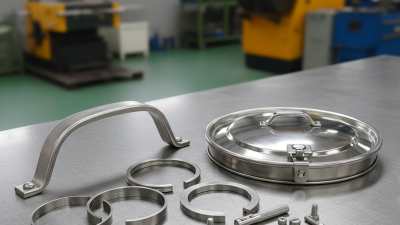
When it comes to metal pail handles and lids, several key factors can influence their design and functionality. Handles must be sturdy yet comfortable. A poorly designed handle can lead to user fatigue or, worse, accidents. Durability is paramount, especially in heavy-duty applications. Metal thickness and reinforcement at stress points ensure longevity. A comfortable grip is essential for ease of use. Understanding ergonomic designs can significantly enhance user experience.
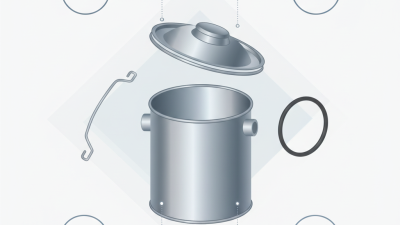
Lids, on the other hand, serve multiple purposes. A good lid seals tightly to protect contents from contamination. The fit should not be too loose; a tight seal prevents spills and preserves freshness. Various lid types, like snap-on or screw-on, cater to different needs. Additionally, the material choice impacts insulation and resistance to impacts. It's important to evaluate how these factors influence storage efficiency and user satisfaction.
Reflecting on the lack of focus on these components might lead one to overlook their significance. Many pail users prioritize capacity over handle and lid quality. This oversight can affect overall usability and safety. Balancing functionality with practicality is essential. In practice, even small design imperfections in these components can create larger inconveniences.
Top 10 Metal Pail Components You Need to Know About
| Component |
Material |
Weight (grams) |
Compatibility |
Usage |
| Handle |
Steel |
150 |
5-Gallon Pails |
Carrying |
| Lid |
Metal |
300 |
All Pail Sizes |
Sealing |
| Bottom Seal |
Rubber |
50 |
Round Pails |
Leak Prevention |
| Handle Grip |
Plastic |
20 |
5-Gallon Pails |
Comfort |
| Spout |
Metal |
100 |
Various Sizes |
Pouring |
| Label Area |
Coated Metal |
10 |
All Pail Sizes |
Branding |
| Bail Wire |
Steel |
30 |
5-Gallon Pails |
Support |
| Reinforcement Ring |
Metal |
200 |
Heavy-Duty Pails |
Durability |
| Safety Seal |
Plastic |
5 |
All Pail Sizes |
Security |
| Vent Hole |
Metal |
15 |
5-Gallon Pails |
Air Release |