Why Understanding Paint Can Components is Essential for Your Projects?
Understanding paint can components is crucial for the success of your painting projects. Each component plays a distinct role in the paint's performance and overall outcome. Knowledge of these elements can help you make informed decisions and avoid common pitfalls.
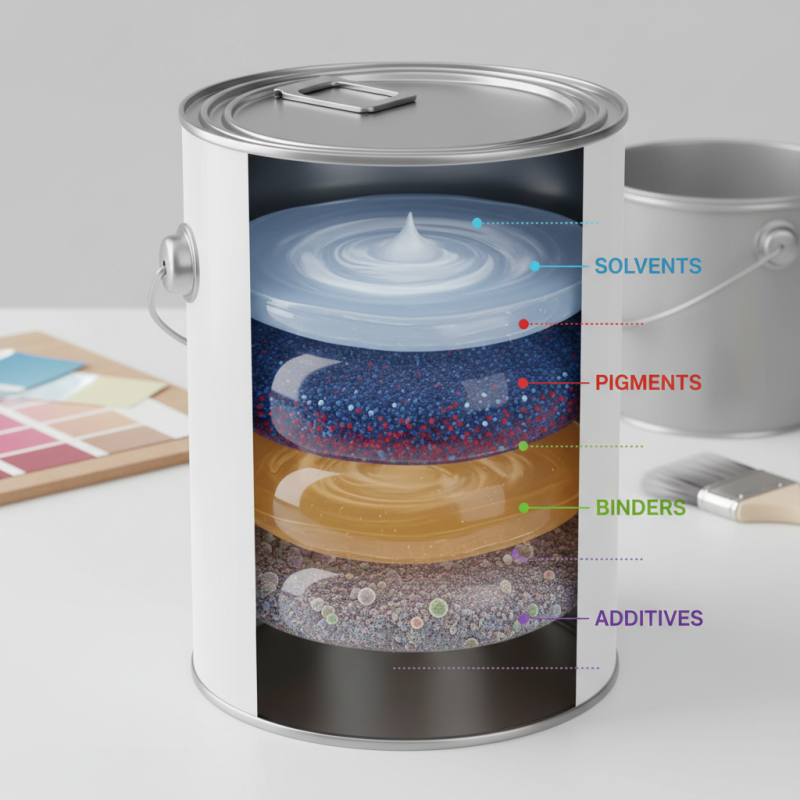
Paint can components include pigments, binders, solvents, and additives. Pigments provide color and coverage, while binders ensure adhesion to surfaces. Solvents affect the paint's viscosity and drying time. Additives enhance specific qualities. A lack of understanding can lead to subpar results, like peeling or fading paint.
Moreover, the interaction between these components can be complex. Mixing incompatible paints may result in a failed project. Mistakes in selection can waste time and resources. Therefore, grasping the intricacies of paint can components is not just beneficial; it's essential to achieving the desired finish.
Components of Paint: A Comprehensive Overview
Understanding the components of paint is vital for successful projects.
Paint comprises various elements that contribute to its performance and appearance. Key components include pigments, binders, solvents, and additives. Each plays a significant role in how paint adheres, dries, and interacts with surfaces.
Pigments provide color and opacity. Different types of pigments have unique properties. For instance, organic pigments may offer vibrant colors but can fade over time.
Binders help the pigments adhere to surfaces. They can be made from natural or synthetic materials, influencing durability and finish. Solvents, often water or oil-based, affect the application and drying time. It’s essential to select the right combination for your specific needs.
Tips:
- Always test paint samples on small areas first.
- Observe how they respond to light and weather.
- Check for any unexpected reactions, like peeling or bubbling.
- Researching product specifications can save you time and money.
- Additionally, keeping a clean and organized workspace will help you stay focused and enhance your results.
Role of Pigments in Color and Opacity of Paint
Pigments play a crucial role in defining the color and opacity of paint. These tiny particles are responsible for the vivid hues we see on walls and canvases. Paintmakers choose pigments carefully to ensure consistency and quality. The right pigment can transform a dull room into an inviting space. But not all pigments are created equal; some offer better coverage than others.
Opacity is influenced by the concentration and type of pigment used. A higher concentration often leads to richer colors and better hiding power. However, some pigments can be challenging to work with, requiring multiple coats. Understanding these characteristics is vital for any painting project. Artists and homeowners alike should experiment with different types to see how they affect the final look.
Finding the perfect balance can be complicated. Some colors might look stunning in the can but appear washed out on a wall. Being aware of these nuances can save time and frustration. It encourages thoughtful decision-making when selecting paint for projects. Ultimately, knowledge about pigments empowers you to achieve better results and enhances your creativity.
Understanding the Role of Pigments in Color and Opacity of Paint
This chart illustrates the opacity percentages of various pigments commonly used in paint formulations. Understanding how each pigment contributes to the color and coverage of paint is crucial for selecting the right materials for your projects.
Understanding Binders: How They Affect Paint Performance
Binders are a crucial component of paint. They give paint its adhesion and flexibility. Understanding binders helps in choosing the right paint for each project. Some binders dry quickly, while others take longer. This drying time can impact your project schedule.
Different binders influence the durability of paint. For instance, some may crack or peel over time. Others offer better resistance to moisture and UV rays. It is essential to assess the environment where the paint will be applied. This helps in predicting long-term performance and potential failures.
Many DIY enthusiasts overlook binders during selection. They might focus only on color or finish. This can lead to regrets later. If a paint fails too soon, it often means starting over. Being aware of binders allows for better decisions and fewer mistakes. Understanding these components ensures a lasting result.
Why Understanding Paint Can Components is Essential for Your Projects? - Understanding Binders: How They Affect Paint Performance
| Binder Type |
Performance Attributes |
Common Uses |
Drying Time |
Durability |
| Acrylic |
Excellent adhesion, UV resistance |
Interior and exterior paints |
30-60 minutes |
High |
| Alkyd |
Smooth finish, good leveling |
Furniture, cabinets, trim |
4-8 hours |
Moderate |
| Latex |
Fast drying, easy cleanup |
Walls, ceilings, general use |
20-30 minutes |
Moderate |
| Epoxy |
High chemical resistance, strong adhesion |
Industrial floors, metal surfaces |
1-2 hours |
Very high |
Solvents and Additives: Their Importance in Paint Formulation
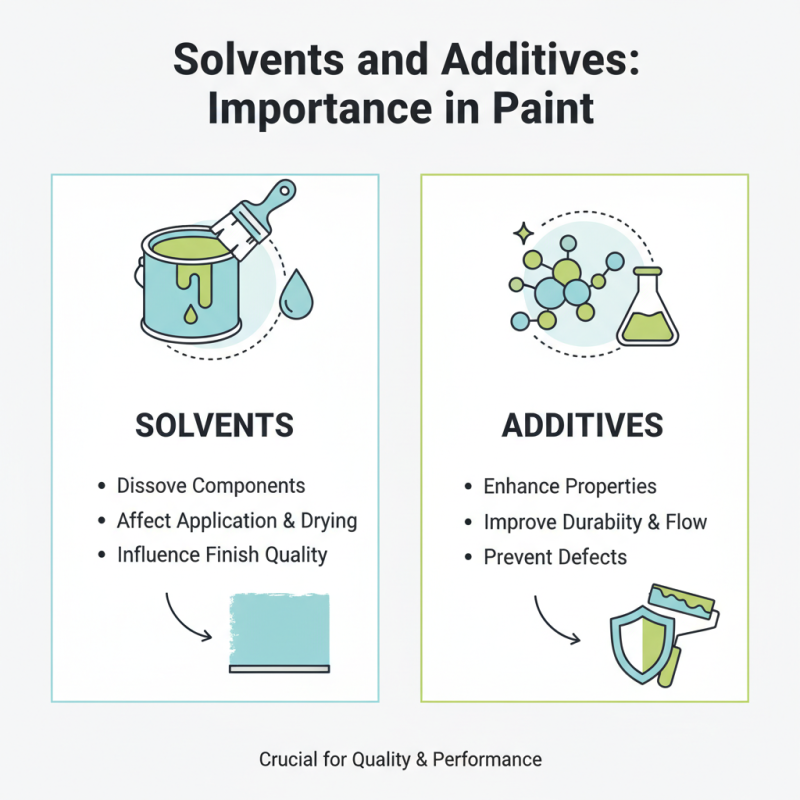
Understanding solvents and additives in paint formulation is crucial for any project. Solvents are the mediums that dissolve other components. They affect the application, drying time, and finish of the paint. Choosing the right solvent can significantly enhance the overall quality of your work.
Additives play a vital role, too. They improve performance characteristics and alter the paint's properties. For instance, anti-foaming agents prevent bubbles during mixing. Thickeners can adjust viscosity, making the paint easier to apply. However, excessive use of additives can lead to problems. Too many can compromise the paint’s integrity. This reflects the importance of balance in formulation.
Many beginners overlook these components. They often focus only on pigments and neglect the science behind the paint. Understanding the role of solvents and additives can transform the outcome. Projects may feel incomplete if these elements are misunderstood or misapplied. It's essential to explore this knowledge for better results.
The Impact of Paint Components on Project Durability and Finish
Understanding paint components is crucial for achieving the desired durability and finish in any project. Different paints contain various components that influence their performance. According to a 2021 report by the Paint Research Association, the formulation of paint can impact lifespan by up to 50%. Components like pigments, resins, and solvents determine how well the paint adheres and withstands environmental factors.
For instance, using high-quality resins can enhance adhesion and flexibility. This is essential for surfaces that undergo movement or temperature changes. Similarly, pigments not only affect color but also UV resistance. A study highlighted that colors with high titanium dioxide content offer better protection against fading. Such knowledge is vital for outdoor projects where exposure to sunlight is a factor.
Tip: Always check the material safety data sheets to understand the components. This ensures you select the right product for your environment. Evaluate the trade-offs of cost versus quality. Skimping on components may save money but can lead to future problems, particularly in harsh climates. In some cases, the right choice of paint can make a project last well beyond its expected lifespan.