
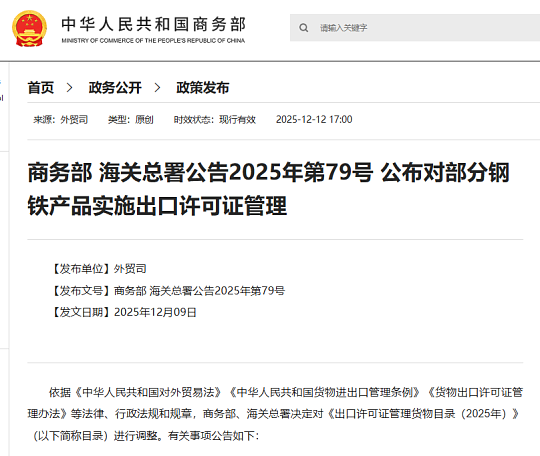
China Reinstates Steel Export License Management: Global Supply Chain Faces New Changes, Quality Upgrade Becomes Core
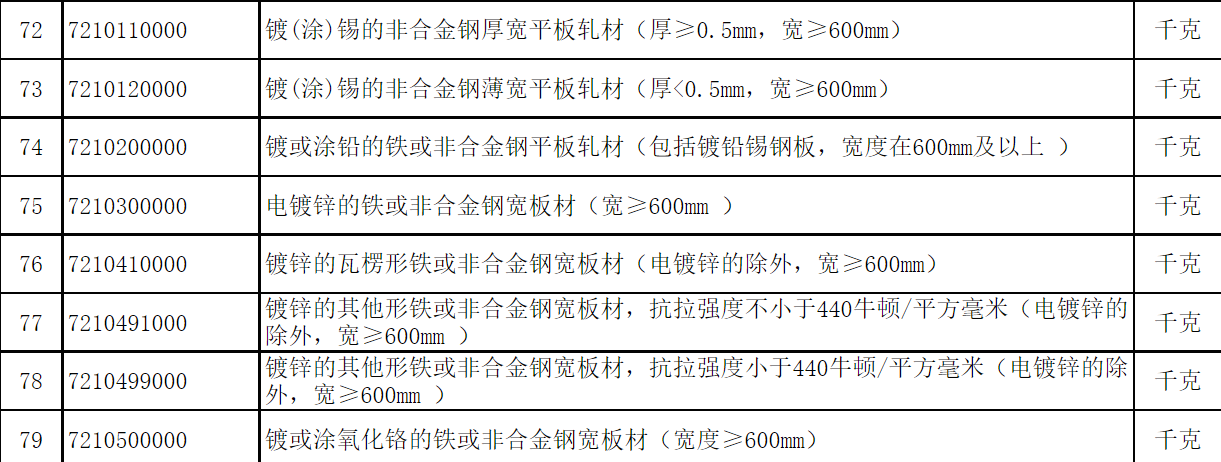
For the first time in 16 years, China has reinstated an export license management system for steel products. Effective January 1, 2026, steel products covering 300 customs codes—spanning the entire industry chain from billets, hot-rolled, and cold-rolled to coated products—will require an export license, applied for using an export contract and a quality inspection certificate issued by the manufacturer. This move marks a new phase in the management of China's steel trade and is set to have a profound impact on global procurement chains.
Policy Background and Objectives
This policy adjustment is driven by two primary goals:
- Enhanced Monitoring to Address Trade FrictionsThrough license management, the Chinese government will conduct more precise statistical analysis of steel export data, supporting companies in responding to international anti-dumping investigations and reducing the risk of trade disputes.
- Promoting Quality Upgrade and Industry TransformationThe policy explicitly requires exported products to be accompanied by a quality inspection certificate stamped by the manufacturer, aiming to guide enterprises from competing on quantity to competing on quality, thereby promoting high-quality development in the steel industry.
Multi-layered Impact on the Industry Chain
1. Changes in Procurement Costs and Cycles
For importers reliant on Chinese steel raw materials (such as tinplate purchasers), the new license entails additional costs and requires allowing 3-5 working days for its processing. When procuring, it is crucial to confirm that the supplier has obtained the license and can provide complete customs documentation to avoid clearance delays.
2. Overall Market Quality Improvement
The license system will eliminate substandard and non-compliant products, pushing companies from price competition towards quality competition. Furthermore, the policy encourages the export of products with high technological content and added value, while discouraging the export of low-value-added, energy-intensive products. This contributes to reducing emissions and increasing efficiency in the steel industry, supporting China's "Dual Carbon" goals.
3. Adjustments in Downstream Industry Decisions
For end-users like can manufacturers, rising costs for importing raw materials like tinplate may lead more companies to shift towards directly sourcing finished tinplate components from China. This can optimize supply chain layouts and enhance the competitiveness of final products.
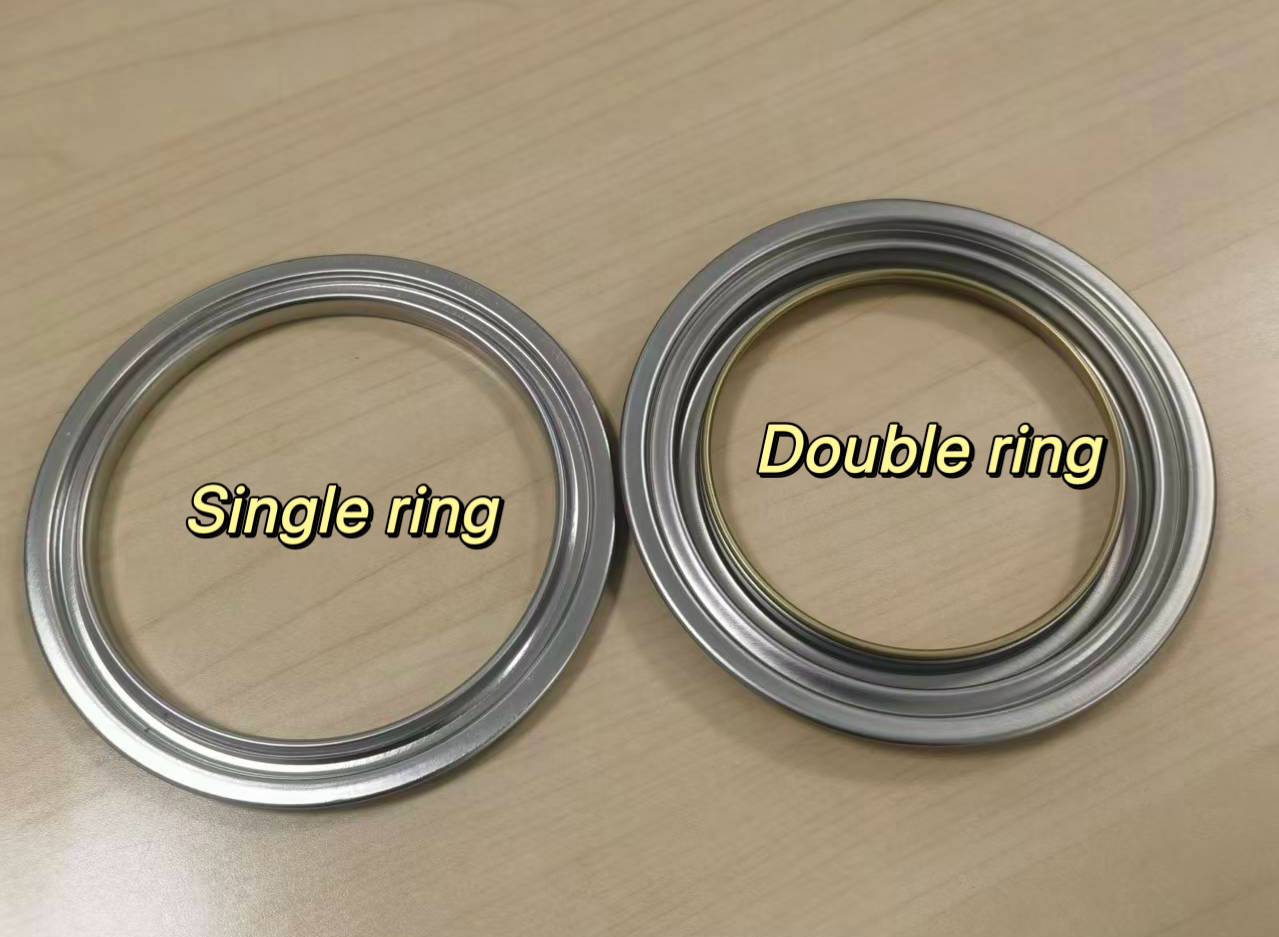
Professional Focus: Toplid Tinplate Component Solutions
As a specialized manufacturer of tinplate components for the chemical and food packaging industries, Toplid consistently provides high-quality, internationally compliant packaging solutions. In the context of the current regulations, we have fully adapted to the export management requirements, ensuring all products are accompanied by the necessary specifications and inspection certificates to facilitate efficient and stable procurement for our clients. For more information on sourcing tinplate components, please feel free to contact us for customized services and reliable support.