
Single-Ring vs. Double-Ring Design: A Comparative Analysis of Metal Can Different Designs
In the field of Metal Packaging Containers, the ring design is a critical factor determining product sealing performance, reusability, and production efficiency. As a manufacturer of metal can components, Toplid provides an in-depth analysis of the differences between the two mainstream designs—single-ring and double-ring—to help customers make more informed decisions.
What are Single-Ring and Double-Ring Designs?
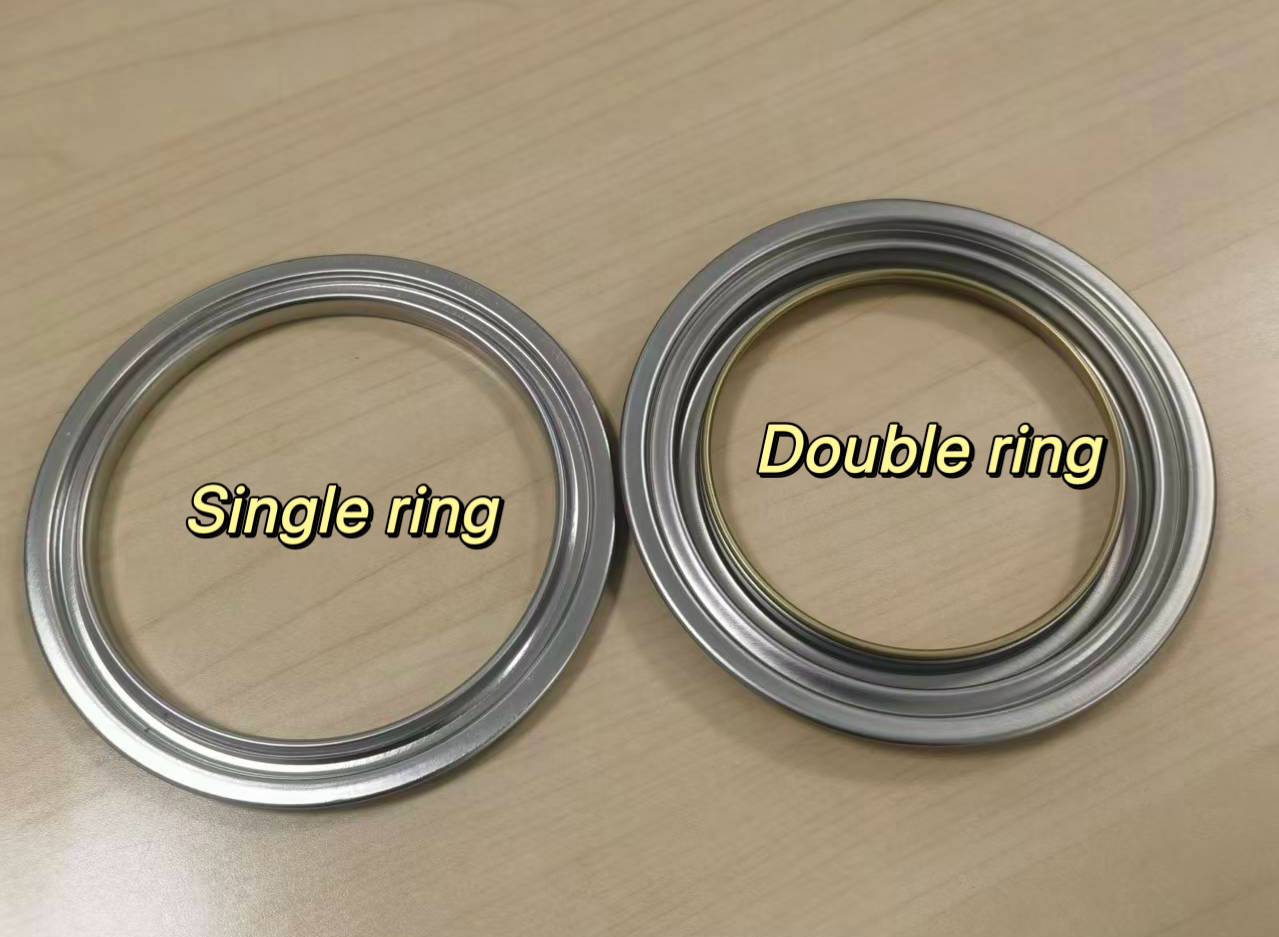
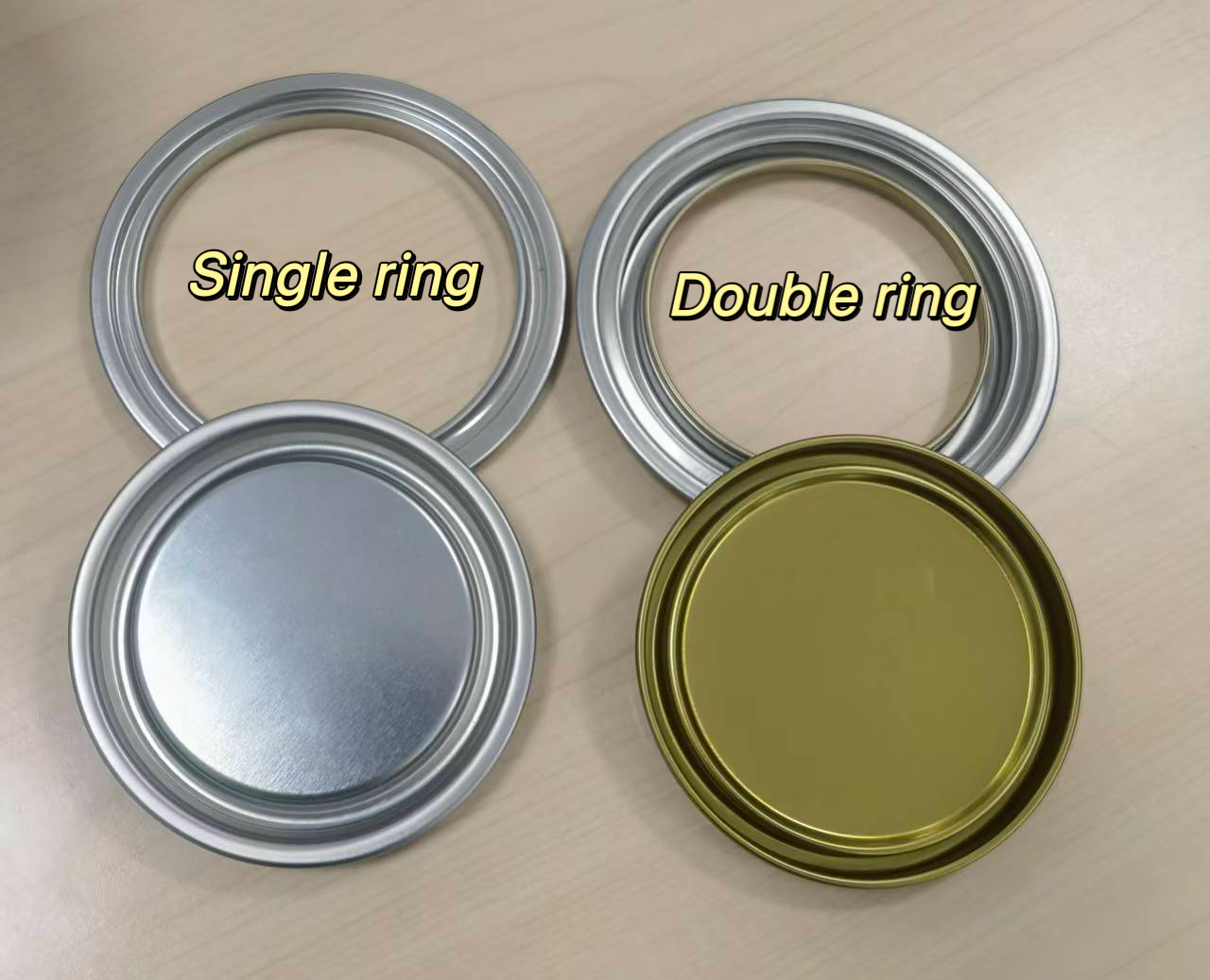
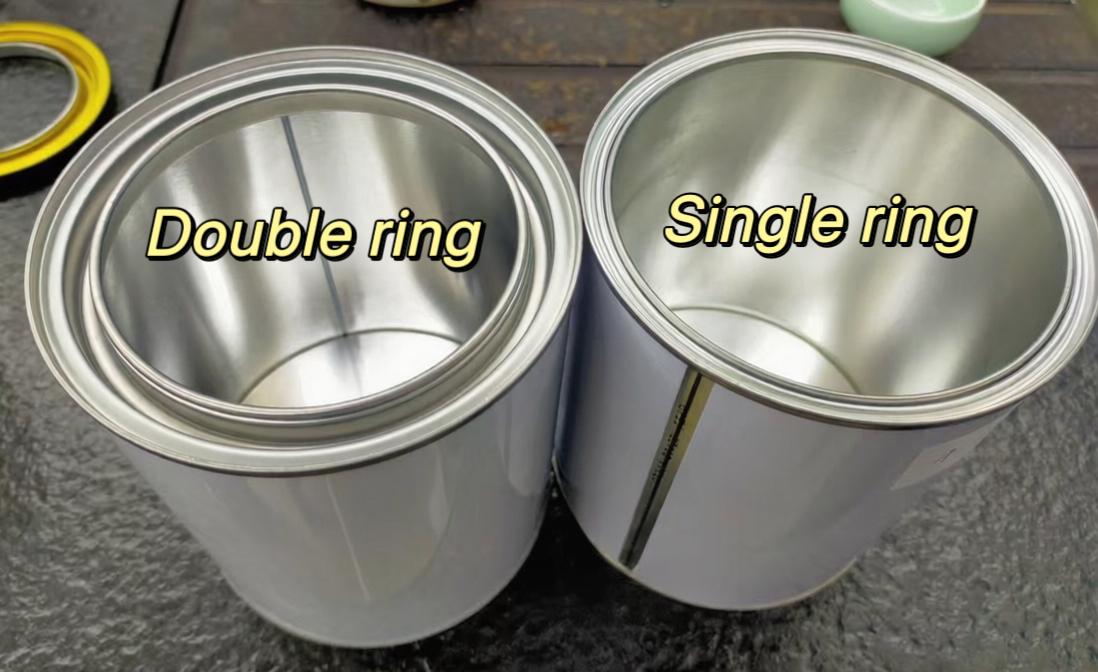
- Single-ring design adopts a single-layer sealing structure with a relatively simple design and no deep groove. It primarily relies on a single metal ring to achieve basic sealing.
- Double-ring design features a three-layer sealing system with a deep groove structure. Through precise coordination between the lid and the bead, it forms multiple sealing lines, significantly enhancing sealing performance.
Advantages and Disadvantages of Single-Ring Design
Advantages:
- Lower equipment investment cost: The single-ring design can be produced using manual stamping with semi-automatic presses, requiring smaller initial equipment investment.
- Material cost savings: The simple structure of the single-ring design consumes less material, helping to reduce raw material costs.
- Simplified manufacturing process: Only two processes are required for forming, offering operational flexibility suitable for small-batch production.
Disadvantages:
- High labor costs: Requires significant manual operation, and labor costs are continuously rising.
- Low automation level: Mainly suitable for semi-automatic equipment, making it difficult to achieve standardized mass production with limited capacity.
- Unstable product quality: Reliance on manual operations leads to difficulties in quality control and relatively lower yield rates.
- Limited sealing performance: Sealing effectiveness is inferior to double-ring design, prone to deformation after opening, making reuse difficult.
Significant Advantages of Double-Ring Design
- Excellent sealing performance: The deep groove design creates two primary seals between the lid and bead. Combined with the reinforcement rib design on the lid, it perfectly engages with the ring during sealing, forming a third seal line that effectively prevents leakage.
- Reusability: The lid can be resealed multiple times after opening without affecting the preservation of the contained product, reducing the risk of product deterioration due to seal failure.
- Automated production and consistent quality: Suitable for fully automated production lines, enabling large-scale manufacturing with 2-3 times higher production capacity compared to single-ring design while significantly reducing labor requirements. Standardized production processes ensure stable and controllable quality.
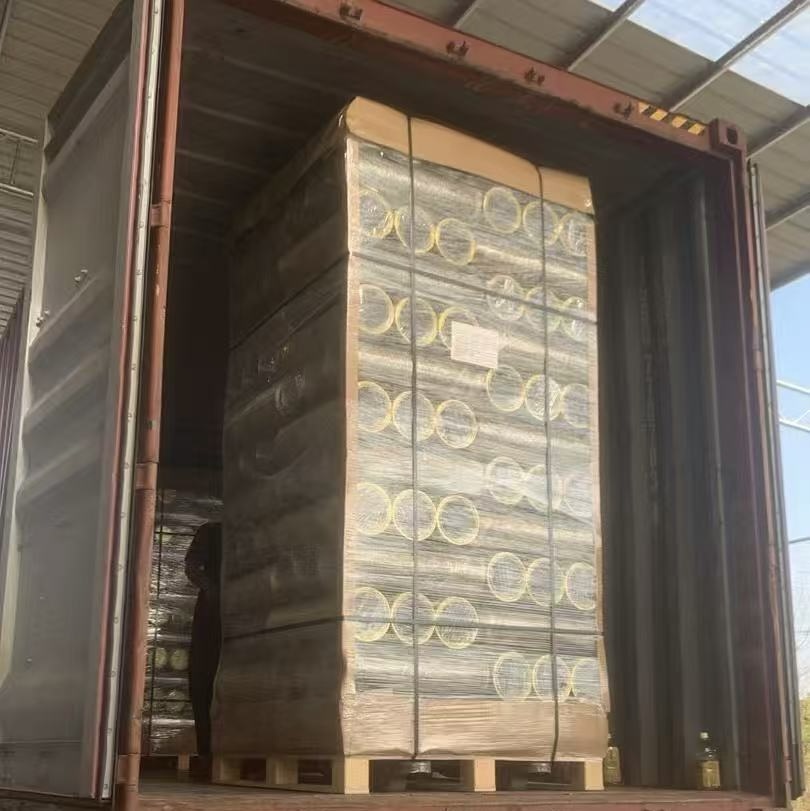
- Efficient packaging and transportation: High stacking density allows more ring per pallet, saving transportation costs. Flexible packaging options including stretch film and woven bags enable tight packing, reducing product damage during transit.
Conclusion
Selecting the appropriate bead design requires comprehensive consideration of product application, production scale, and cost budget. For applications demanding high quality, superior sealing performance, and reusability, the double-ring design is undoubtedly the better choice. With over 20 years of experience in tinplate can component manufacturing, Toplid is committed to providing customers with professional services featuring high quality and short lead times. We offer comprehensive customized product solutions with a daily production capacity of 80,000-100,000 pieces per line. Please feel free to contact us for any requirements!
WhatsApp: +86 18773055275
Website: site_3f77fa4c-0bdd-45e9-b52e-63b3af608233