Why Choose the Right Metal Pail Components for Your Needs?
Choosing the right metal pail components is crucial for various applications. Metal pail components play an essential role in ensuring durability and efficiency. These components can affect the overall performance of your packaging solutions.
Different industries require specific designs and materials. Understanding what works best for your needs is important. Some components may seem suitable but may not deliver on quality and reliability. Evaluating each part's role could save time and resources in the long run.
Opting for high-quality metal pail components enhances safety and durability. It can significantly reduce the risk of leaks and failures. Investing in reliable components fosters trust in your brand. Reflecting on your choices ensures you are meeting industry standards and customer expectations.
Understanding the Importance of Metal Pail Components
When selecting metal pail components, it’s crucial to understand their importance. The right components enhance functionality, safety, and durability. Choosing a lid that fits securely prevents spills and contamination. Materials play a key role; lightweight metals reduce labor costs while sturdier options ensure long-term use.
Pay attention to the handle design. An ergonomic handle improves grip and ease of transport. The wrong handle can lead to accidents. Additionally, consider the interior coating. A proper lining can safeguard the contents, preserving their quality.
Flexibility in assembly is another factor. Some components allow for easy disassembly and recycling. This can promote sustainability, an increasingly important aspect today. However, not all components guarantee the same reliability. Manufacturers vary in quality, and it’s essential to evaluate suppliers carefully.
Key Factors to Consider When Selecting Metal Pail Components
When selecting metal pail components, several key factors come into play. The choice of materials is crucial as it impacts durability and resistance. According to a report by the Metal Container Manufacturers Association, over 70% of metal pails must withstand harsh conditions. Therefore, assessing the environmental factors your pails will face is essential. Will they be exposed to extreme temperatures, moisture, or chemicals? Choose components that match those needs.
Another significant factor is the size and shape of the pail. Industry studies show that 65% of consumers prefer pails that are easy to stack and store. A well-designed shape can save you space and reduce transportation costs. Additionally, the lid design plays a role in ensuring product integrity. A secure lid prevents contamination and extends shelf life. Evaluate these aspects carefully.
Tips: Always test different lid designs for your specific products. Small adjustments can yield significant results. Monitor the performance of your chosen materials regularly to avoid unexpected failures. Don't overlook minor component choices; they can shift the overall quality of your pail.
Common Types of Metal Pail Components and Their Uses
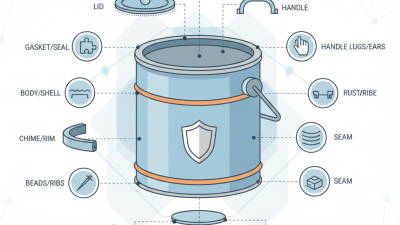
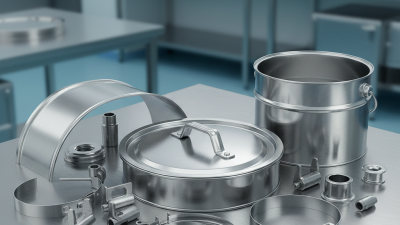
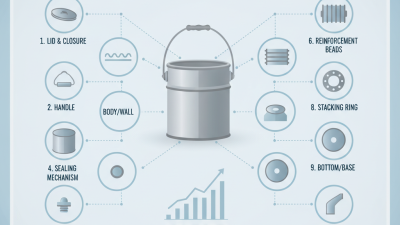
When selecting metal pail components, you need to understand their different types and uses. Metal pails are often used in industries like food, chemicals, and construction. Each component serves a unique function that affects overall performance.
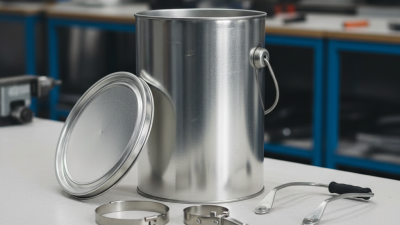
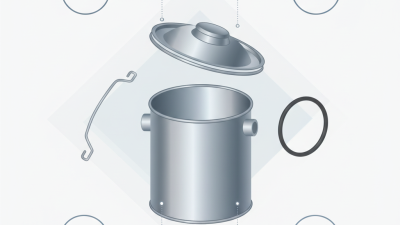
One common component is the lid. It can be sealed tightly, ensuring contents remain secure and tamper-proof. Some lids have spouts for easy pouring. However, not all lids are designed for all contents. If you choose the wrong lid, it may leak or cause contamination.
Another critical component is the handle. Handles come in various designs, such as metal or plastic. A sturdy handle is vital for safe transport. Yet, a poorly designed handle can lead to discomfort or accidents when lifting heavy pails. Understanding the specific requirements for your application will help mitigate these risks. Pay attention to your choices; the right components can enhance both safety and efficiency.
Why Choose the Right Metal Pail Components for Your Needs?
| Component Type |
Material |
Common Uses |
Benefits |
| Metal Pail Body |
Galvanized Steel |
Storage of liquids, chemicals |
Durability, corrosion resistance |
| Handle |
Stainless Steel |
Carrying and transporting pails |
Strength, ease of use |
| Lid |
Steel |
Sealing contents |
Prevention of spillage and contamination |
| Bail |
Carbon Steel |
Support for the handle |
Added stability, support when lifting |
| Spout |
Aluminum |
Easy pouring of contents |
Precision pouring, reduces spills |
Optimizing Performance with Quality Metal Pail Components
When it comes to metal pails, the components play a vital role in overall performance. The right materials ensure durability and efficiency in various applications. Quality metal pail components can withstand heavy loads, preventing leaks and ensuring safe transport of substances.
Choosing sturdy handles and secure lids can make a significant difference. Strong handles enhance the ease of carrying and pouring. Well-fitted lids prevent contamination. In high-demand industries, these details matter greatly. Even the smallest flaws in design can lead to failures.
Sometimes, businesses overlook the importance of component quality. They might prioritize cost over longevity, leading to recurring replacements. Investing in reliable materials can yield long-term savings. It's crucial to consider the operational environment, as extremes in temperature or pressure can compromise weaker components. Reflecting on past experiences can guide smarter choices in the future.
Cost vs. Quality: Making the Right Choice for Metal Pail Components
When selecting metal pail components, weighing cost against quality is crucial. High-quality materials often come with a higher price tag. These components need to meet specific standards for durability and safety. Poor choices might lead to product failures. For example, a cheaper lid may not seal properly, risking contamination.
While budget constraints are natural, skimping on quality can backfire. A reliable metal pail ensures that your contents remain protected. Low-cost components might corrode or break down faster. This can lead to unexpected replacements and increased long-term costs. Consider how much you are willing to spend for peace of mind.
In the end, it’s about finding a balance. Pay attention to the specific needs of your application. Sometimes a mid-range option might provide the best compromise. Investing time to evaluate options will pay off in the long run. Remember, the right choice is not just about the initial cost, but about the overall value.