How to Choose the Best Lever Lock Pail Lid for Your Needs?
Choosing the right Lever Lock Pail Lid can significantly impact your storage and transportation needs. These lids are designed to create a secure seal, ensuring your materials remain safe and uncontaminated. They come in various sizes and materials, each tailored for specific uses. Understanding your requirements is crucial.
Consider the compatibility of the Lever Lock Pail Lid with your pail. A mismatched lid can lead to messy spills. Evaluate the materials you plan to store. Some lids perform better with liquids; others suit granulated products. It’s essential to think about durability as well.
While the selection process seems straightforward, many overlook these details. Extra attention can prevent future inconveniences. Ultimately, investing time in choosing the best Lever Lock Pail Lid will enhance efficiency and protect your contents.
Understanding the Different Types of Lever Lock Pail Lids Available
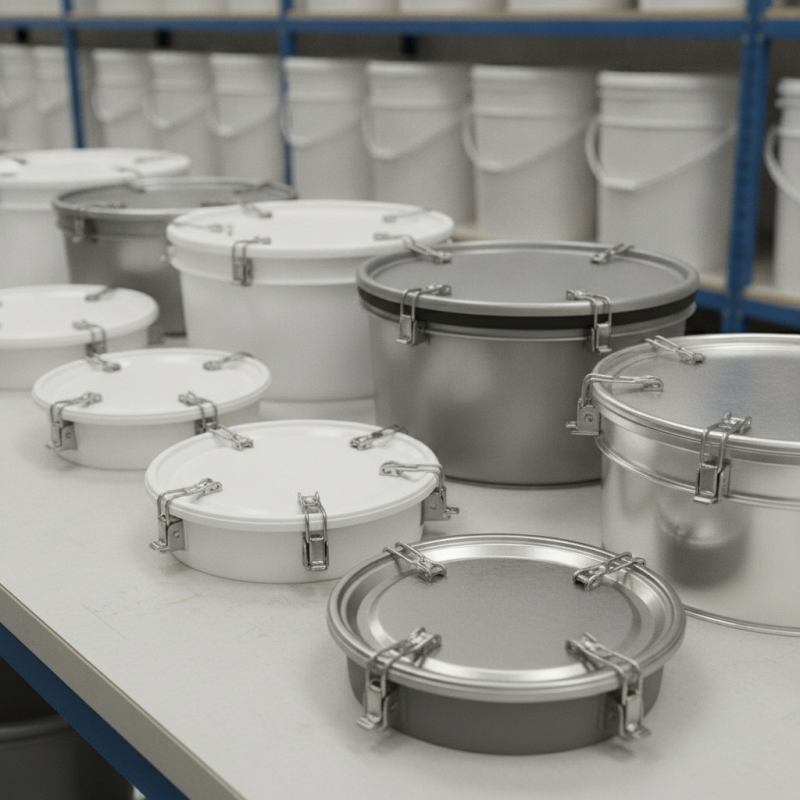
When selecting a lever lock pail lid, it’s essential to understand the varying types available. These lids come in different materials, such as plastic and metal, each offering unique benefits. For instance, plastic lids are lightweight and resistant to corrosion, making them ideal for certain chemicals. Metal lids, on the other hand, typically provide a stronger seal and better resistance to damaging environmental factors.
Consider the compatibility of the lid with the pail. A good fit is crucial to prevent leaks and ensure safety. Look for lids that provide a secure locking mechanism. Not all lids offer the same level of protection, so examining their locking systems is vital. If you're unsure about compatibility, seek advice from professionals who understand these products well.
Tips: Always check for product specifications before buying. Inspect the locking mechanism for durability. Additionally, remember that the price doesn’t always indicate quality. Sometimes, cheaper options could serve your needs perfectly. And while aesthetics matter, functionality should be your top priority. A well-chosen lid can save you time and prevent potential messes.
Key Features to Consider When Selecting a Lever Lock Pail Lid
When selecting a lever lock pail lid, several key features should be at the forefront of your decision. One important factor is the material of the lid. High-density polyethylene (HDPE) is a common choice due to its durability and resistance to various chemicals. A report from the Plastic Industry Association reveals that HDPE is used in over 30% of pail applications. This statistic highlights the material's reliability in maintaining pail integrity under pressure.
Another critical consideration is the locking mechanism's efficiency. A well-designed lever lock should provide a secure seal to prevent leaks. According to a study by the Packaging Machinery Manufacturers Institute, about 15% of spills occur due to ineffective sealing. This data underscores the need for a lid that ensures safety and ease of use. Additionally, consider the lid's compatibility with your pail size. Using a mismatched lid can lead to unexpected issues, such as improper sealing.
Weight and ease of use are also substantial factors. A lighter lid can make handling smoother, but it should still be robust enough to resist damage. Furthermore, look at user reviews to identify any common design flaws. Insight from end-users can often reveal practical issues that specifications do not cover. Balancing these features requires careful thought and reflection on your specific needs.
Evaluating Material Durability and Chemical Resistance of Pail Lids
When selecting the best lever lock pail lid, material durability and chemical resistance are crucial factors. High-density polyethylene (HDPE) is a popular choice for its strength. According to a report by the American Society for Testing and Materials (ASTM), HDPE can withstand temperatures ranging from -100°F to 120°F. This makes it suitable for various environments, especially in industrial settings.
Chemical resistance is another critical aspect to consider. A study by the Environmental Protection Agency (EPA) indicated that certain materials like polypropylene resist many common solvents and acids. This resistance is essential for users who store chemicals, as it prevents leakage or degradation. However, not all pail lids are created equal. Some materials may offer limited protection against specific substances, leading to potential safety hazards.
Finding the right balance between durability and chemical compatibility can be challenging. Users might overlook the importance of testing pail lids under real-life conditions. Regular inspections for cracks or deformities in the lid can be a good practice. Additionally, consider how frequently you change the contents of the pail; this can affect the integrity of the lid over time. Understanding these factors leads to better choices in securing your materials.
Evaluation of Lever Lock Pail Lid Material Durability and Chemical Resistance
Comparative Analysis of Closure Mechanisms in Lever Lock Pail Lids
When choosing a lever lock pail lid, understanding closure mechanisms is crucial. Lever lock lids come with distinct designs, affecting how securely they seal. Some mechanisms allow for easy open and close, while others prioritize tight seals. The ideal choice depends on your specific storage needs.
Consider the material and weight of the lid. A heavier, durable lid may provide better sealing. However, it could be cumbersome for frequent access. Pay attention to how easily the lever operates. A stiff lever might indicate difficulty in long-term use. Versatility is another factor; some lids perform better in various temperatures or environments.
Tips: Always test the lever before purchase. Look for one that operates smoothly without excessive force. Inspect the seal quality to prevent spills or contamination. Lastly, gather user reviews. They can reveal common issues or benefits not apparent at first glance. Balancing ease of use with leak-proof performance is essential for making a sound choice.
Industry Standards and Regulations Impacting Lever Lock Pail Lid Choice
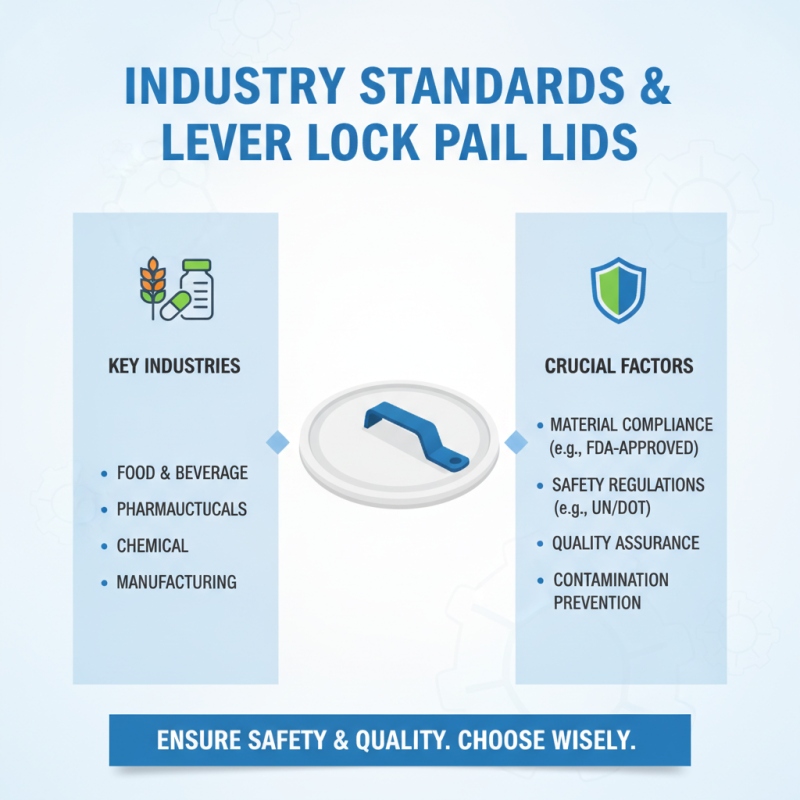
When selecting a lever lock pail lid, understanding industry standards is crucial. Many industries, including food and pharmaceuticals, have specific requirements for containers. Often, these standards dictate materials and safety measures. Compliance with these regulations ensures the safety and quality of the contents.
Regulatory bodies, such as the FDA, set guidelines that impact lid selection. Choosing a lid that meets these standards can prevent costly recalls or health risks. Manufacturers should conduct thorough research. They must align product design with relevant standards. Additionally, it's wise to consult safety data sheets related to materials used in these lids.
It’s important to consider how these standards evolve over time. For example, new safety protocols may affect manufacturing practices. This can leave some products outdated. Regular reassessment ensures you are not relying on inadequate solutions. Engaging with industry experts can provide insights into best practices and upcoming changes. This proactive approach can enhance product reliability and drive success in the long run.