10 Essential Tips for Recycling Empty Paint Can Components
Recycling empty paint can components is crucial in reducing waste. According to the Environmental Protection Agency (EPA), paint-related waste accounts for over 10% of the total hazardous waste generated. Each year, millions of paint cans are discarded, contributing to landfill overflow. These empty paint can components represent both an environmental challenge and a significant opportunity for eco-friendly practices.
Proper recycling of these components not only conserves resources but also promotes sustainability. The paint can metal, usually made of steel, can be repurposed or recycled multiple times without losing quality. However, many consumers remain unaware of the best practices for recycling these materials. Misleading information often leads to contamination in recycling streams, which can result in whole batches being sent to landfills.
Engaging in effective recycling requires understanding the processes involved. By learning how to properly recycle empty paint can components, individuals can play a pivotal role in minimizing environmental impact. As communities strive for greener solutions, this responsibility rests on everyone. With awareness and the right information, recycling can become a simpler and more effective task.

Understanding the Importance of Recycling Paint Can Components
Recycling paint can components is vital for environmental health. According to the Environmental Protection Agency (EPA), more than 10% of landfill waste comes from paint containers. This adds to soil and water pollution, posing risks to ecosystems and human health. Understanding the recycling process helps mitigate these risks.
Many people overlook the potential of recycling empty paint cans. Metal components, for instance, can be melted down and repurposed. Studies show recycling aluminum saves 95% of energy compared to producing new aluminum. Additionally, the residual paint in cans can be hazardous. It is crucial to ensure proper disposal methods are followed.
Despite these facts, many are uninformed about recycling options. Convenience often drives behavior. In some communities, facilities for recycling paint components are limited. This means that even when people want to recycle, they may not have easy access. Spreading awareness about local recycling programs is essential. Encouraging communities to participate can significantly affect waste reduction.
10 Essential Tips for Recycling Empty Paint Can Components - Understanding the Importance of Recycling Paint Can Components
| Tip Number |
Recycling Step |
Importance |
| 1 |
Remove Residual Paint |
Prevents contamination of recyclables |
| 2 |
Check Local Regulations |
Ensures compliance with recycling laws |
| 3 |
Use a Hardener for Liquid Paint |
Facilitates proper disposal |
| 4 |
Flatten Metal Cans |
Saves space in recycling bin |
| 5 |
Separate Lids and Containers |
Enhances recycling efficiency |
| 6 |
Use Recyclable Materials |
Promotes a sustainable approach |
| 7 |
Rinse Out Containers |
Avoids chemical mixing |
| 8 |
Educate Others on Recycling |
Spreads awareness and good practices |
| 9 |
Collaborate with Local Recyclers |
Enhances community efforts |
| 10 |
Support Sustainable Products |
Encourages eco-friendly manufacturing |
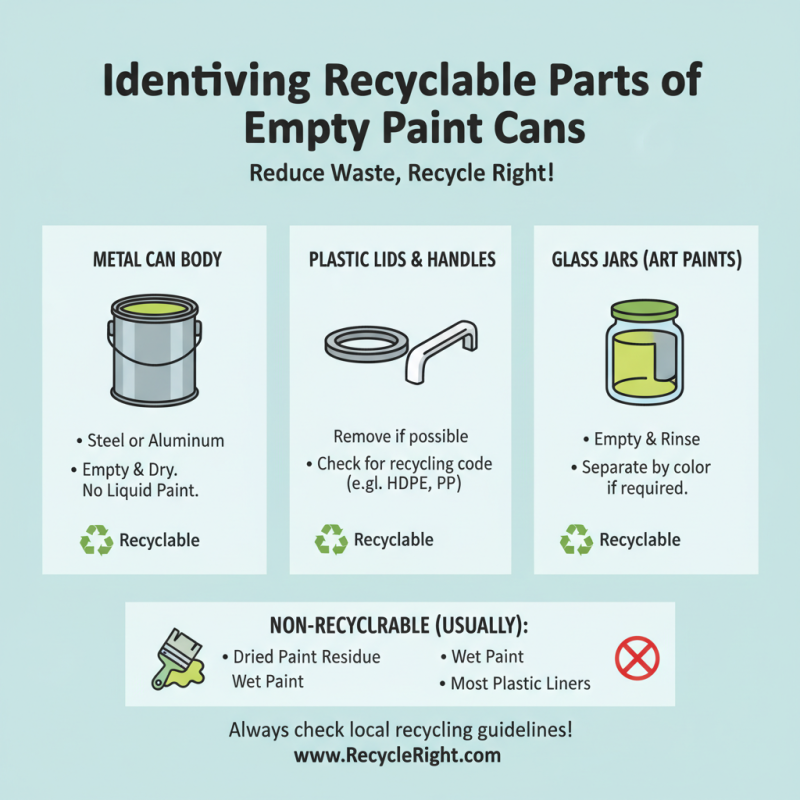
Identifying Recyclable Parts of Empty Paint Cans
When dealing with empty paint cans, understanding which components are recyclable is essential. The materials often consist of metal, plastic, and sometimes glass. Let's take a deeper look into what you can recycle and how to do it right.
The metal can itself is recyclable. You should ensure it is empty and dry before recycling. Rinse it out if there's leftover paint, as this can contaminate other recyclables. You can also recycle plastic lids, but check local rules regarding their acceptance. If the lid is still coated with paint, consider cleaning it first.
It's common to overlook the importance of proper disposal. Sometimes, you might find it easier to throw everything away. However, this can lead to waste. Remember, keeping or discarding materials needs careful thought. Pay attention to local recycling guidelines. This can guide you on how to segregate materials better. By understanding these tips, you can advance your recycling efforts.
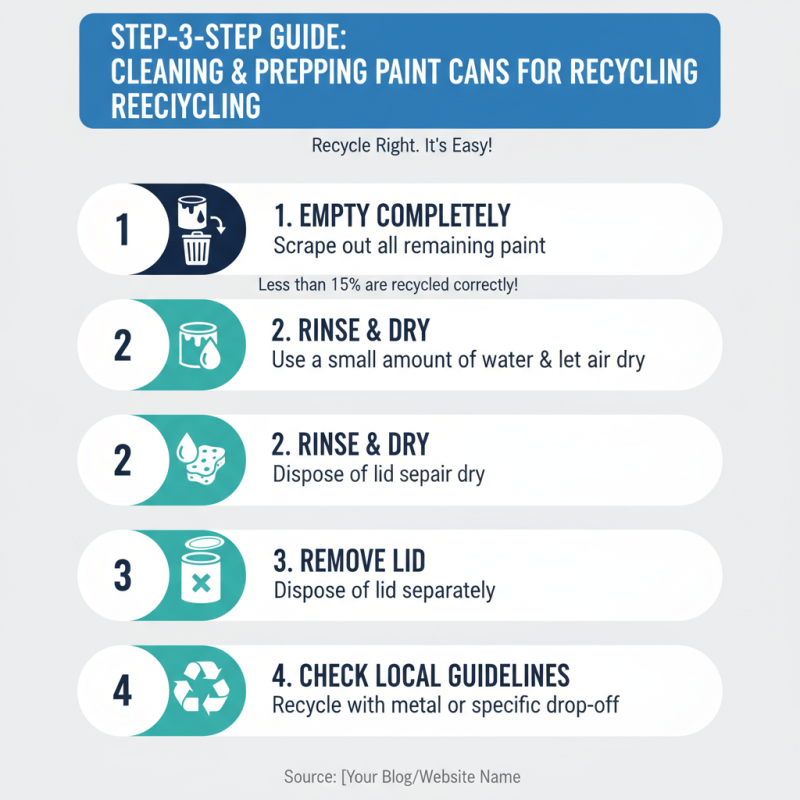
Step-by-Step Guide to Properly Clean and Prep Paint Cans
When recycling empty paint cans, proper cleaning and preparation are crucial. Start by emptying the can completely. Research shows that nearly 15% of consumers still dispose of paint cans incorrectly. This highlights the need for proper methods.
After emptying, rinse the can with water. Use a paint thinner or solvent for stubborn residues. According to the U.S. Environmental Protection Agency (EPA), about 85% of leftover paint can be recycled or reused. However, if cans are not properly cleaned, they may contaminate other recyclable materials. The importance of vigilance cannot be overstated.
Remove the lid, and let the can dry completely. It’s essential that the can is free of liquid before disposal. Some sources suggest that presence of leftover liquids can lead to issues at recycling facilities. Yet, many individuals overlook this step. Learning to execute these tasks is vital for effective recycling and environmental sustainability.
Local Recycling Guidelines for Paint Can Disposal
When disposing of empty paint cans, it’s crucial to follow local recycling guidelines. Each community may have specific rules regarding paint can disposal. For instance, some areas require that paint cans be completely empty and dry before placing them in recycling bins. Others may ask residents to strip off the metal tops or to use designated drop-off locations.
Check with your local waste management authority to confirm what is allowed. Often, oil-based paints are considered hazardous. It’s important to avoid mixing these with regular recyclables. There might be special collection days for hazardous waste. Ignoring these guidelines can lead to contamination and fines.
Consider the potential impact of improper disposal. Some cans end up in landfills, where they contribute to environmental harm. Reflecting on this issue can motivate better practices. Recycling paint cans responsibly ensures that we reduce waste and support local recycling programs effectively. Always stay updated on changes in guidelines to make informed decisions.
Recycling Rates of Paint Can Components by Material Type
Creative Ways to Repurpose Empty Paint Cans in DIY Projects
Empty paint cans can be transformed into creative DIY projects. These versatile containers often end up in landfills, so repurposing them is both eco-friendly and fun. One simple idea is to turn your paint can into a garden planter. Just make a few holes in the bottom for drainage, paint the exterior with bright colors, and fill it with soil. Add flowers or herbs for a pop of color on your patio.
Another innovative use for empty paint cans is as storage solutions. They can be easily cleaned and used to organize tools in your workshop. Label each can for quick identification. Additionally, use them as canisters for loose items like buttons, craft supplies, or even odds and ends from around the house. This not only declutters your space but gives the cans a new purpose.
While many people toss these cans without a thought, rethinking their use can lead to unique creations. Reflecting on how to utilize everyday items fosters creativity. These projects not only reduce waste but also showcase personal style. Just remember to ensure that any remnants of paint are properly disposed of before starting your DIY project.