What Are the Essential Paint Can Components for Efficient Use?
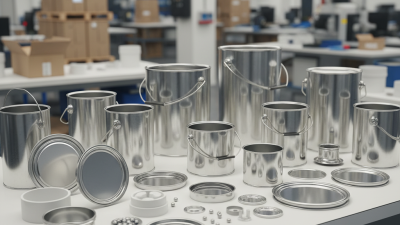
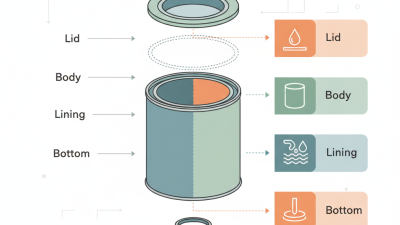
When considering efficient paint usage, understanding the essential paint can components is crucial. A well-designed paint can goes beyond holding liquid. Its structure can influence how easily you access and use the paint. Common components include the lid, pour spout, and the internal mixing mechanism. Each part plays a role in the efficiency of your painting project.
The lid ensures the paint remains fresh and prevents spills. However, not all lids seal perfectly. Some may allow air in, causing paint to dry out over time. The pour spout should facilitate easy dispensing, yet sometimes it can lead to waste if not designed thoughtfully. Internal mixing systems are vital, but if they malfunction, users may struggle with paint consistency.
Understanding these paint can components helps improve your experience. It also highlights the importance of selecting the right paint can for specific projects. Every detail counts in achieving the quality finish you desire. Recognizing the strengths and weaknesses of these components can lead to better preparation and execution.

Key Materials in Paint Can Construction for Durability
When considering the durability of paint cans, several key materials play crucial roles. Metal is the most common component. It provides strength against impacts and prevents rust formation. Steel is often chosen for its robust properties, while aluminum offers a lightweight alternative. The choice of material directly affects the can's longevity. However, not all manufacturers use high-quality metal, leading to potential flaws in protective coatings.
Another important element is the lid design. A well-fitted lid ensures an airtight seal. This prevents the paint from drying out. Inadequate sealing can result in wasted products. It is essential to inspect the lid's fit and the quality of the sealing mechanism. Sometimes, even small imperfections can lead to larger issues down the line.
Lastly, the internal coating of the can is vital. This layer protects the paint from reacting with the metal. Poorly applied internal coatings can compromise the paint's integrity. Clients might overlook this aspect, but it can make a significant difference. Choices made in the construction of paint cans may not always be perfect, leaving room for improvements in quality standards. Manufacturers have an ongoing responsibility to address these issues.
Understanding the Importance of Paint Can Lids and Seals
Paint can lids and seals play a crucial role in preserving the quality of the paint inside. A well-fitted lid prevents air exposure, which can lead to drying and thickening. Even slight gaps can allow moisture in, causing mold or spoilage. Therefore, understanding how these components function is vital for efficient paint usage.
Proper sealing is not just about keeping paint fresh; it also impacts storage. A damaged seal may result in leaks, making storage messy and complicated. Inspecting lids and seals regularly is important but often overlooked. Many people assume that a lid is secure based solely on its appearance. This assumption can lead to wasted materials and frustration.
When using paint cans, remember that attention to detail matters. After each use, ensure the lid is tightly closed. Consider the environment where you store paint cans. A humid or excessively hot area can compromise the integrity of the seals. Prioritizing these components enhances usability and protects your investment.
Examining the Role of Paint Can Handles for Ease of Use
When considering the essential components of a paint can, the handle stands out. This simple addition significantly impacts the user experience. A sturdy handle makes carrying easier, especially when the can is full. It allows for better maneuverability, reducing the chances of spills. A good handle can be the difference between a manageable task and a frustrating mess.
However, not all handles are created equal. Some may be too small or poorly positioned, making them awkward to grip. Users may find that they must strain their wrists while lifting. It’s essential to evaluate a paint can’s handle before purchasing. Ensuring the handle is ergonomic and well-designed will contribute to a more enjoyable painting experience.
In addition to ease of use, handles can affect safety. A flimsy handle may break unexpectedly, causing potential injury or damaging other surfaces. Painting should be a rewarding project, not one fraught with accidents. Reflecting on these aspects can lead to better choices in paint can selection and ultimately enhance the overall painting process.
What Are the Essential Paint Can Components for Efficient Use?
| Component |
Material |
Function |
Ease of Use |
| Paint Can Handle |
Plastic/Metal |
Facilitates carrying the can |
Ergonomic design for comfortable grip |
| Lid |
Metal/Plastic |
Seals paint, preventing spills and drying |
Easy to open/close with a secure fit |
| Body |
Metal/Plastic |
Holds the paint |
Easy to stack and store |
| Spout |
Metal/Plastic |
Controls paint flow during pouring |
Prevents drips for cleaner application |
| Label |
Paper/Plastic |
Displays important information |
Clear design for easy readability |
Analysis of Paint Can Linings for Preserving Paint Quality
When assessing the quality of paint storage, linings play a crucial role. Various materials are used in paint can linings, including plastic and foil. Each lining has distinct properties that influence the paint's lifespan. For example, foil linings offer excellent barrier protection from moisture and air. However, they may not be as flexible during expansion and contraction. Over time, this rigidity can lead to cracks, compromising the seal.
Another important aspect is how linings interact with different types of paint. Water-based paints typically fare better with certain polymer linings. These materials can help prevent the paint from drying out. In contrast, oil-based paints may require linings that are resistant to solvents. This compatibility is vital for maintaining paint quality over time.
Despite advancements in technology, not all linings are perfect. Some may not adequately minimize chemical reactions, leading to changes in color or consistency. Regular monitoring of paint cans is essential. Check for signs of rust or oil separation. Understanding these imperfections allows users to improve storage practices and ensure optimal paint performance when it’s time to use the product.
Essential Paint Can Components for Efficient Use
Factors Influencing the Design of Paint Can Labels and Markings
When designing paint can labels and markings, several essential factors come into play. First, visibility is vital. A well-designed label should catch the eye. Bright colors and bold fonts can help attract customers in a crowded market. Using clear language is equally crucial. Consumers should quickly understand the contents and usage instructions. Complicated terms or jargon can lead to confusion.
Another consideration is the size of the label. A smaller can may require a more compact design, while larger cans offer more space for details. Styling should reflect the paint's purpose, whether it’s for interior or exterior use. Incorporating images can enhance understanding, but they must not clutter the overall look. Additionally, safety information needs emphasis. Clearly stating hazards can protect consumers and reduce liability for manufacturers.
However, striking a balance between aesthetics and functionality is tricky. Overly elaborate designs may detract from essential information. There can also be regional variations in what consumers expect from labels. Testing various designs in different markets can reveal underlying preferences. Continuous feedback allows for improvements, ensuring that labels effectively communicate the product’s value while remaining compliant with regulations.