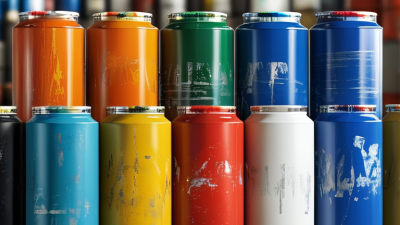
Top Metal Pail Components for Efficient Packaging Solutions?
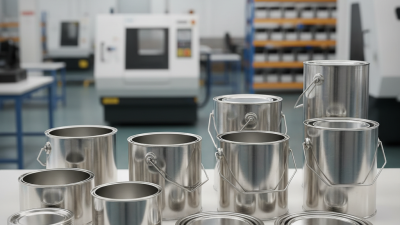
In today's competitive market, effective packaging solutions are crucial. Metal pail components play a vital role in achieving this goal. These components offer durability and versatility, making them ideal for various industries. Using the right materials can enhance product safety and extend shelf life.
However, selecting metal pail components is not simply about choosing the strongest option. Different products require different characteristics. For instance, a food-grade coating is essential for chemicals, while a tamper-evident seal is critical for sensitive products. Understanding these nuances is key to optimizing packaging solutions.
Yet, it’s essential to be aware of potential flaws in design or production. Regular assessments of metal pail components can reveal weaknesses that compromise efficiency. Thus, continuous improvement is critical. Investing time in exploring these components and their applications can lead to the best packaging outcomes.
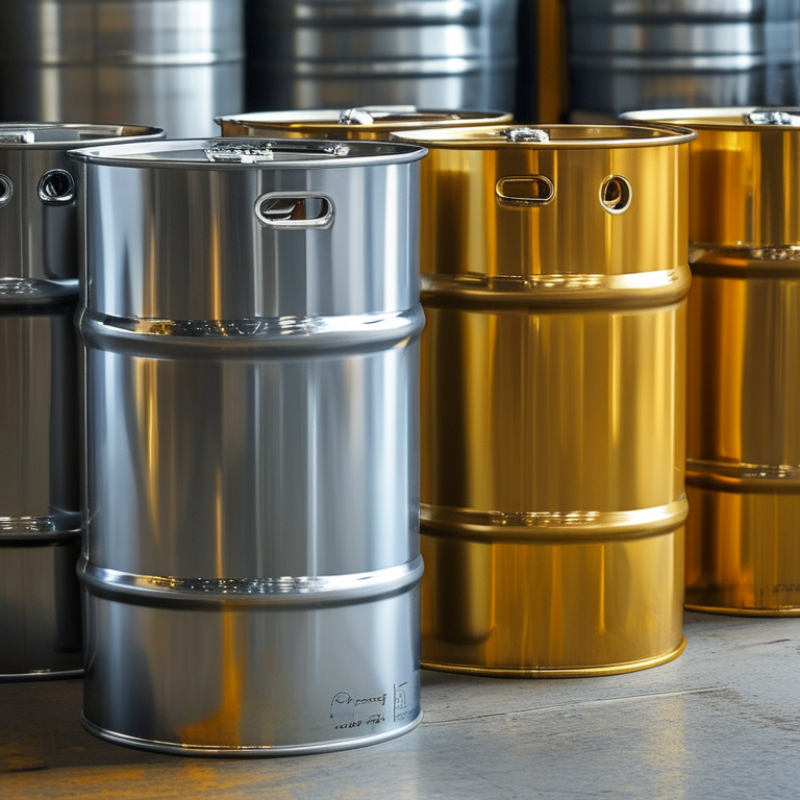
Essential Materials for Durable Metal Pail Construction
Metal pails are vital in various industries for packaging and storage. Their construction significantly influences performance and durability. The essential materials used in metal pail production play a crucial role in these characteristics. Steel is one of the most common materials, known for its strength. According to the Metal Container Manufacturers Association, steel pails can withstand pressures up to 1,200 psi, making them ideal for transporting heavy or hazardous materials.
Another critical component is the coating. Many manufacturers use epoxy or other corrosion-resistant coatings to protect the metal from moisture. This can increase the pail's lifespan. Studies have indicated that proper coatings can reduce rust formation by over 50%. However, not all coatings are created equal. Low-quality finishes can wear off quickly. This can lead to product contamination or leakage.
Riveting and welding are popular methods of joining pail components. Each method has its advantages and drawbacks. Welding provides a seamless finish but can result in heat warping. Conversely, riveting allows for easier repairs but may create points of weakness. Industry research suggests that roughly 30% of pail failures are linked to joining techniques. This highlights the need for careful consideration in metal pail design and construction.
Design Features for Enhanced Metal Pail Functionality
Metal pails are vital in various industries, serving as efficient packaging solutions. Key design features enhance their functionality, ensuring safety and convenience for users. Enhanced handles can significantly improve ergonomics, making it easier to carry heavy loads. A well-designed pouring spout can minimize spills, promoting efficient use.
For anyone using metal pails, paying attention to weight distribution is important. An unevenly loaded pail can strain the handle or cause spills. Check the handle's integrity regularly to prevent accidents during transport. Additionally, consider choosing pails with wide openings. This allows for easier filling and cleaning, saving time and effort.
Sealing methods are crucial in maintaining the contents' integrity. A good lid design prevents contamination, which is especially vital for food products. Proper sealing minimizes exposure to air and moisture, extending shelf life. However, it's essential to ensure that the seal can be easily opened when needed. Finding the right balance between security and accessibility is key.
Evaluating these features can lead to better packaging choices. Remember that not all designs will suit every need. Testing different pails in your specific application can reveal their strengths and limitations. This trial and error process helps identify the most effective solutions for your packaging requirements.
Sealing Techniques for Optimal Metal Pail Performance
Sealing techniques are crucial for the performance of metal pails in packaging. Proper sealing ensures that the contents remain protected from external elements. A tight seal can prevent leaks, contamination, and maintain product integrity. It is important to choose the right sealing method based on the type of content being packaged. Different materials and viscosities may require tailored solutions.
One effective sealing approach is using induction sealing. This method bonds a foil liner to the container's opening. It provides an airtight seal that protects against moisture and spoilage. However, incorrect settings during the sealing process may lead to incomplete seals. This can result in product losses or consumer complaints. Regular maintenance of sealing equipment is essential for consistent performance.
Another option is mechanical sealing, which utilizes crimping or plugging. This method can deliver strong seals. Yet, improper application can create weak points. Operators must be trained to ensure proper execution. Understanding the nuances of each sealing technique fosters better packaging decisions. Each method comes with its own challenges that require reflection and adjustment, ensuring optimal sealing efficiency.
Labeling and Branding Options for Metal Pail Packaging
Metal pails are versatile packaging solutions widely used across various industries. When it comes to branding, the labeling on these pails plays a pivotal role. Effective labels not only communicate product details but also create an engaging brand presence. Clear graphics and bold colors can catch the eye, attracting potential customers in a crowded marketplace.
Choosing the right materials for labels is crucial too. Waterproof and tear-resistant labels ensure durability, even in challenging conditions. Additionally, including QR codes can enhance customer interaction. These codes can link to product information or promotions, making labels more than just containers for information. Reflecting on the incorporation of sustainable materials can also improve brand reputation.
While the design process is essential, achieving the perfect label can be a trial and error journey. Some designs may not resonate as expected, leading to changes down the line. It’s vital to gather feedback from consumers. Understanding what works can refine branding strategies for better engagement. Balancing aesthetics and functionality is key to maximizing the potential of metal pail packaging.
Sustainability Considerations in Metal Pail Production
Sustainability is becoming essential in metal pail production. The industry is responding to growing consumer demand for eco-friendly packaging. Metal pails are often made from recyclable materials, yet the production process can still pose environmental challenges. For instance, repurposing recycled metal significantly reduces energy consumption.
According to a 2022 industry report, using recycled aluminum can save up to 95% of the energy required compared to virgin materials. Despite this advantage, the availability of high-quality recycled materials varies. This inconsistency can lead to dependency on primary resources, which isn't sustainable in the long run.
Another concern is waste management. The metal pail industry generates waste during manufacturing. Effective strategies for reducing scrap are necessary for a true sustainable approach. Reports indicate that implementing lean manufacturing techniques can cut waste by up to 30%. This statistic emphasizes the need for constant improvement in processes. Addressing these issues will require collaboration between manufacturers, suppliers, and regulators.