Essential Paint Can Components for Global Buyers Need to Know?
In the global paint market, understanding the essential paint can components is crucial. Buyers need to navigate complex supply chains and diverse product requirements. Each component plays a vital role in ensuring a quality product that meets both aesthetic and functional needs.
The paint can itself must provide durability and prevent contamination. Thin metal used in the can must withstand varying temperatures. This selection can impact the longevity of the paint inside. Additionally, proper lid designs are not merely aesthetic but essential for airtight seals. They maintain paint consistency and prevent spills.
Understanding these elements is key for buyers. Yet, complexities often arise due to material sourcing and manufacturing processes. Not every supplier meets high standards. Transparency in production practices is often lacking. Recognizing these challenges is vital. It’s not just about choosing a paint can; it's about ensuring it fulfills its purpose effectively.
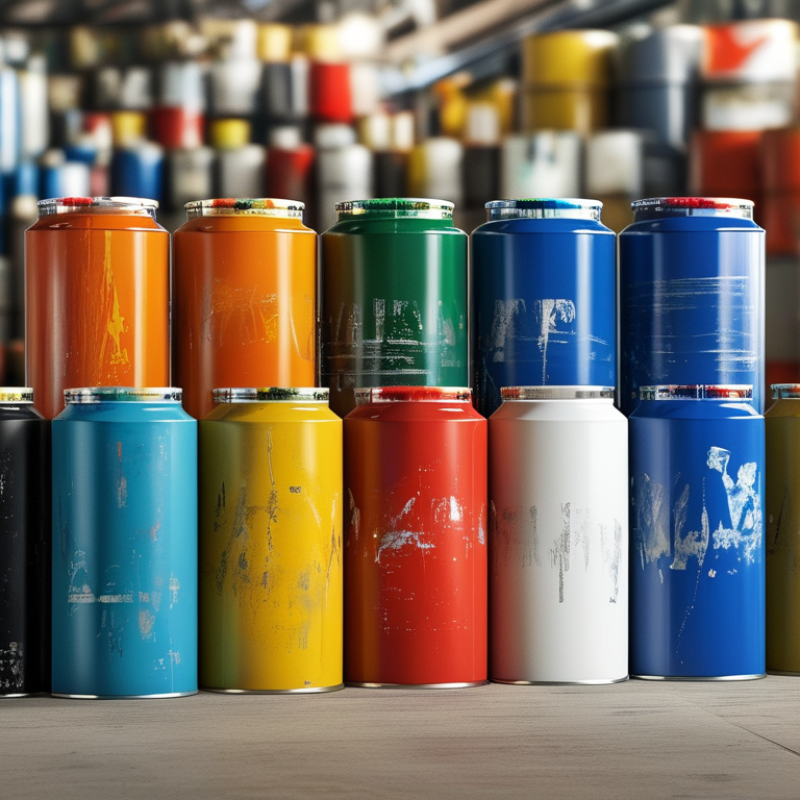
Key Features of Paint Cans for International Consumers
When selecting paint cans for international markets, several key features stand out. The first is material quality. Most cans are made from metal or high-density polyethylene (HDPE), which offer durability and resistance to corrosion. Industry reports indicate that metal cans are favored for their airtight seals that prevent paint contamination.
Design also plays a critical role. Consumers prefer user-friendly designs, such as wide openings for easy access. Cans with removable lids allow for straightforward pouring, reducing waste. Additionally, graphics and labeling are important. Clear product information helps buyers make informed choices and promotes brand loyalty.
Tips: Consider the type of paint being stored. Different paints may require specific can materials to maintain quality. Regularly check for rust or dents in metal cans, as these could compromise the contents.
Another essential aspect is safety. Cans must comply with international safety standards. Clear labeling of hazardous materials is crucial for consumer safety. Compliance signifies reliability, fostering trust among buyers. Remember to evaluate local regulations, as they may vary significantly by region. Missteps in compliance can impact market entry and consumer perception negatively.
In conclusion, understanding these components is vital for successful international sales. The impact of quality design, materials, and safety cannot be underestimated in the competitive paint market.
Understanding the Materials Used in Paint Can Manufacturing
When delving into paint can manufacturing, understanding the materials used is crucial for global buyers.
Paint cans are typically made from tinplate or aluminum, each offering unique benefits. Tinplate is strong and resistant to corrosion, while aluminum is lightweight and recyclable.
According to industry data, around 40% of paint cans produced are now aluminum, reflecting a growing trend towards sustainable materials.
Key additional components include the can’s lid and seal.
These parts must ensure an airtight seal to preserve the paint's quality. The use of effective sealing techniques plays a vital role in extending shelf life. Recent reports suggest that improper sealing can lead to significant product waste, costing manufacturers millions annually.
Buyers should also consider coatings on the can’s interior. These coatings prevent chemical reactions between the paint and the can, ensuring quality. However, selecting the right coating material requires balancing performance and compliance with regulatory standards. Some coatings may not withstand specific paint formulations. Constant evaluation of material performance is essential for providers to enhance overall efficiency and product reliability.
Comparative Analysis of Different Paint Can Designs
When exploring paint can designs, several factors play a crucial role. The lid is a significant component that ensures a secure seal. Some designs feature a snap-on lid, while others use a screw cap. Each type offers varying levels of protection against air and moisture. Buyers should consider their specific needs based on the type of paint being used.
The body of the can also varies between designs. Some materials provide better durability and resistance to dents. Lightweight options exist, but they may not protect the contents as effectively. A can with a wide mouth allows easier access, but it can also increase the risk of spills. Understanding these details is essential for making the right choice.
Comparing different designs highlights both advantages and drawbacks. A design that works for one type of paint may not suit another. It is essential to test different options in real-world conditions. Reflecting on usability can help identify areas for improvement. What works in theory may need adjustments in practice.
Essential Paint Can Components for Global Buyers
Regulatory Standards Affecting Paint Can Exports and Imports
When exporting or importing paint cans, understanding regulatory standards is crucial. Countries have different rules governing the materials used, labeling, and safety. For instance, the European Union has strict regulations on volatile organic compounds (VOCs). These rules aim to ensure consumer safety and environmental protection. Non-compliance can lead to hefty fines or product recalls.
In addition, labeling requirements vary globally. Some markets may require multilingual labels. Others might demand specific safety symbols or hazard warnings. Missing these details can hinder market entry. Reliable research is essential for staying compliant. Moreover, engaging with local experts can provide insights into these regulations.
It’s vital to stay updated. Regulations can change frequently, impacting your business operations. Taking the time to review these components could save costs in the long run. Ignoring these standards may lead to lost opportunities in key markets. Understanding these intricacies reinforces your position as a trustworthy supplier.
Sustainability Practices in the Paint Can Industry Worldwide
Sustainability practices in the paint can industry are gaining traction globally. Manufacturers are increasingly focused on reducing their environmental footprint. Recycling programs have become essential. Many companies encourage consumers to return empty cans for recycling. This closes the loop and reduces waste.
Moreover, the use of eco-friendly materials is on the rise. Companies are sourcing materials that are less harmful to the environment. This shift can reduce carbon emissions significantly. However, challenges remain. Not all materials are easily recyclable. Consumers need guidance on proper disposal methods.
The industry is exploring innovative techniques. Biodegradable coatings are one example. These can help minimize pollution. Yet, even with these advances, transparency is crucial. Consumers are becoming more aware and demand accountability. Brands must communicate their practices clearly. This fosters trust and encourages eco-conscious choices.
Essential Paint Can Components for Global Buyers Need to Know? - Sustainability Practices in the Paint Can Industry Worldwide
| Component |
Material |
Recyclability |
Sustainability Practices |
| Can Body |
Steel / Aluminum |
Yes |
Use of recycled materials, low-emission manufacturing |
| Lid |
Plastic / Metal |
Yes |
Recyclable designs, minimized packaging waste |
| Label |
Paper / Plastic |
Depends on material |
Sustainable inks, eco-friendly adhesives |
| Handle |
Plastic / Metal |
Yes |
Bio-based plastics, recycled content |
| Closure |
Metal / Plastic |
Yes |
Reduced weight, recyclable materials |