10 Tips for Choosing the Best Lever Lock Pail Lid for Your Needs
Choosing the right Lever Lock Pail Lid can feel overwhelming. With numerous options available, understanding their features is crucial. A good lid ensures your contents remain secure and fresh.
Many factors affect your decision. Consider materials, sizes, and intended use. Durability is essential, especially if the pail will face rough handling. You may also need to reflect on the locking mechanism. A reliable lock can prevent spills and maintain safety.
Ultimately, the goal is to find a lid that meets your specific needs without compromising on quality. This guide offers insights and tips to help you make an informed decision.
Understanding Lever Lock Pail Lids and Their Uses
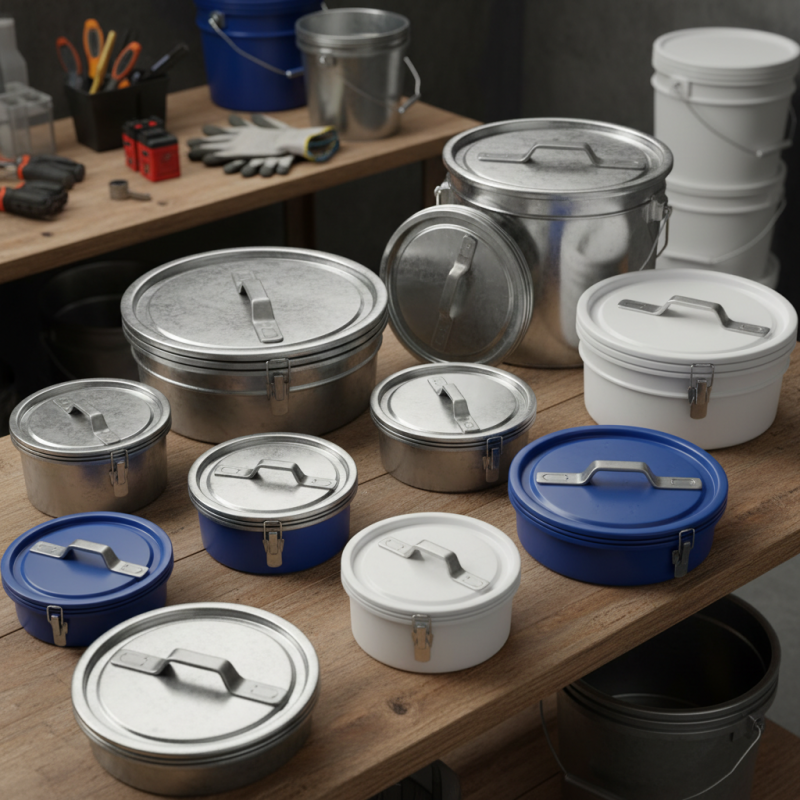
Lever lock pail lids are essential tools in various industries. They provide secure sealing for pails. These lids prevent spills and contamination, making them suitable for both storage and transportation. Understanding their design and functionality helps determine their ideal use.
The lever lock mechanism allows for easy access. Users can quickly open and close the lid, providing efficiency. These lids suit different capacities and materials. Whether for liquid or dry contents, choosing the right lid is crucial. A mismatched lid can lead to failures, affecting overall safety.
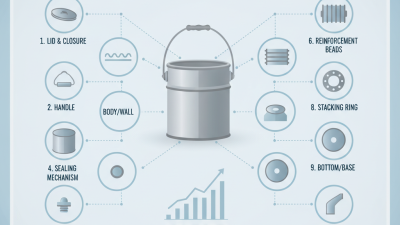
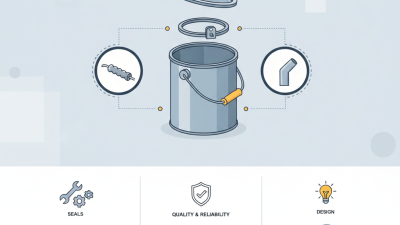
While lever lock lids are reliable, factors require attention. Check compatibility with your pail size. Inspect the sealing mechanism for tight closure. Choosing a lid that fits well reduces risks. Regular maintenance ensures longevity. Reflecting on these aspects leads to better choices.
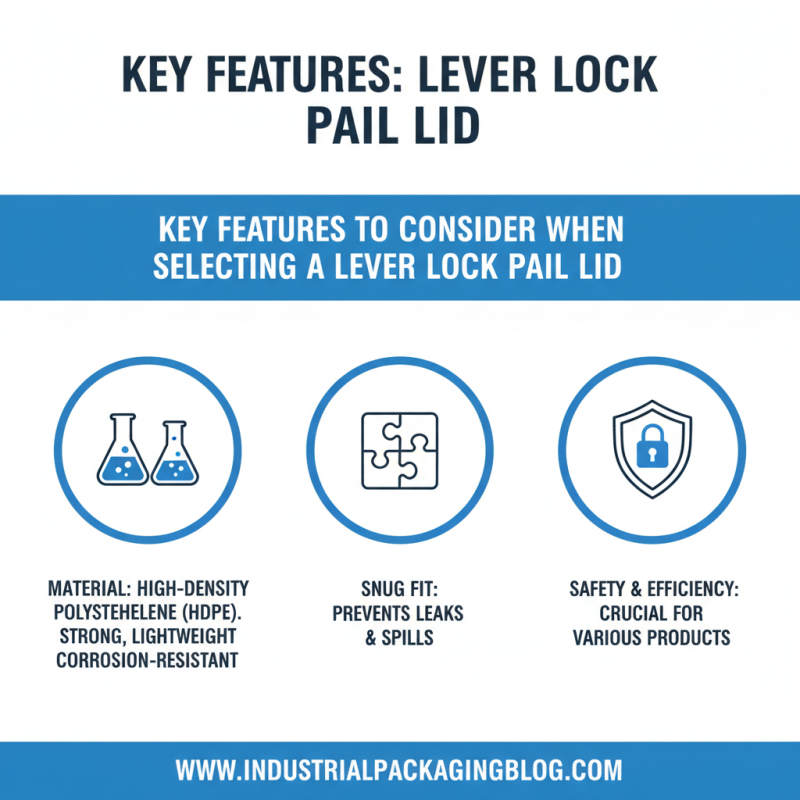
Key Features to Consider When Selecting a Lever Lock Pail Lid
Choosing the right lever lock pail lid is crucial for safety and efficiency. One key feature to consider is the material. Often, high-density polyethylene is used. It’s strong yet lightweight. This helps prevent corrosion, making it ideal for various products. Ensure the lid fits snugly to prevent leaks.
Another important factor is the locking mechanism. A reliable lever lock should be easy to operate. It should provide a secure seal, minimizing the risk of accidental openings. Look for designs that allow for quick access without compromising security. Ergonomic handles are also a plus, enhancing user comfort during handling.
Consider the size and compatibility with your pail. Many options come in standard sizes. But, occasionally, a custom fit is necessary. Check the dimensions before purchase. It’s worthwhile to read reviews about different products. They often highlight real-world performance and durability. Take time to reflect on your specific needs for optimal results.
Material Types: Choosing the Right Durable Option for Your Needs
Choosing the right material for a lever lock pail lid is crucial. Different materials offer various levels of durability, chemical resistance, and environmental suitability. For instance, polypropylene is lightweight and relatively inexpensive. Studies show that around 30% of industries prefer this option for its cost-effectiveness and ease of use.
On the other hand, high-density polyethylene (HDPE) is known for its strength. Reports indicate that HDPE can withstand harsh chemicals and extreme temperatures. Almost 40% of businesses in the chemical sector opt for HDPE due to its reliability. However, it might be overkill for simpler applications.
Consider glass-filled nylon if weight is not an issue. This material provides excellent durability and impact resistance. Yet, it tends to be more costly. Many companies face the challenge of balancing cost and performance. A pail lid made from the right material can significantly enhance operational efficiency. Always assess the specific needs of your application to choose wisely.
10 Tips for Choosing the Best Lever Lock Pail Lid for Your Needs
| Material Type |
Durability Rating |
Temperature Resistance |
Best Use Case |
Weight |
| Polypropylene |
High |
-10°C to 100°C |
Chemical Storage |
150g |
| Polyethylene |
Medium |
-20°C to 80°C |
Food Storage |
180g |
| Stainless Steel |
Very High |
-50°C to 300°C |
High-Temperature Applications |
300g |
| ABS Plastic |
Moderate |
0°C to 80°C |
General Purpose Use |
200g |
| PVC |
Low |
-10°C to 60°C |
Waterproof Applications |
140g |
Compatibility: Ensuring a Proper Fit with Your Pail Size and Shape
Choosing the right lever lock pail lid involves ensuring it fits well with your pail's size and shape. Compatibility is crucial for the effectiveness and safety of your pail's content. According to industry reports, approximately 40% of users experience issues with improper fitting lids. This often leads to leaks and product contamination.
Most pails come in standard sizes, but variations in shape can complicate compatibility. A 2021 study highlighted that nearly 30% of industrial accidents were linked to improperly secured lids. These incidents typically arise from lids not sealing correctly, which can cause loss of containment and product spills. The right lever lock lid ensures you minimize these risks, protecting both your materials and workspace.
It's important to review specifications carefully. Look for lids with adjustable mechanisms that accommodate slight size variations. Industry experts recommend using lid samples before bulk purchases. This can help avoid costly errors and ensure proper fit. Taking these steps helps maintain safety and integrity while relying on proper measurements to select the best lever lock pail lid.
User Feedback: Analyzing Reviews and Recommendations for Better Choices
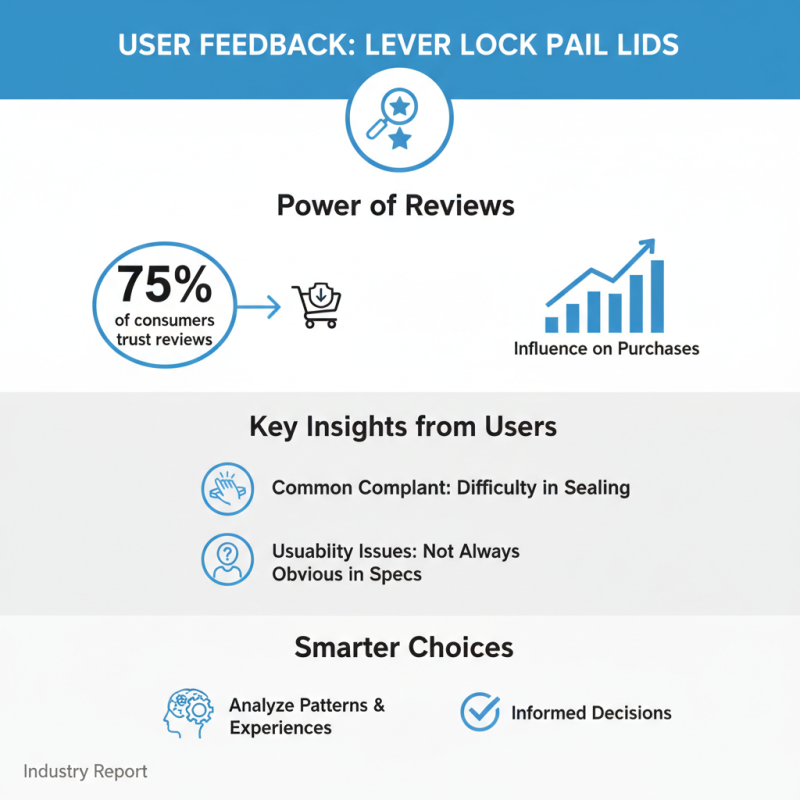
When selecting a lever lock pail lid, user feedback plays a crucial role. Reviews from experienced users often highlight practical insights that are not always apparent in specifications. According to a recent industry report, 75% of consumers rely on reviews to influence their purchasing decisions. Analyzing these reviews can reveal patterns, such as common complaints about difficulty in sealing and usability.
Many recommendations cite the importance of material quality. Users frequently mention that a flimsy lid can compromise the effectiveness of the lock. A study observed that lids made from high-density polyethylene tend to perform better than thinner alternatives. However, some reviews reflect dissatisfaction with lids that, while robust, can be cumbersome to operate. Users have expressed frustrations with complex locking mechanisms that add time to their workflow.
Listening to the community can provide insights that specifications miss. For instance, a simple detail like the lid's weight can significantly impact user experience. Heavier lids may indicate durability, but they can also become tedious during repetitive use. A thoughtful analysis of user feedback can lead to more informed choices and potentially save time and effort in the long run.