Top 10 Metal Packing Components You Need for Efficient Packaging Solutions?
Efficient packaging solutions are vital in today’s fast-paced market. Metal packing components play a central role in optimizing these solutions. According to Smithers Pira, the global metal packaging market is projected to reach $188 billion by 2024. This growth reflects the increasing demand for durable, sustainable, and lightweight materials.
Utilizing the right metal packing components can significantly reduce waste and improve product integrity. For instance, metal containers are known for their recyclability. Research from the Metal Packaging Manufacturers Association indicates that over 75% of all aluminum ever produced is still in use today. Such statistics highlight the sustainability aspect of metal packaging.
However, many companies still overlook the advantages of advanced metal packing components. They often stick with traditional methods, missing opportunities for enhanced performance. Selecting components like metal closures, cans, and foil can lead to improved shelf life and customer satisfaction. It is essential to analyze and reflect on these choices to ensure the best outcomes.
Understanding Metal Packing Components in Packaging Solutions
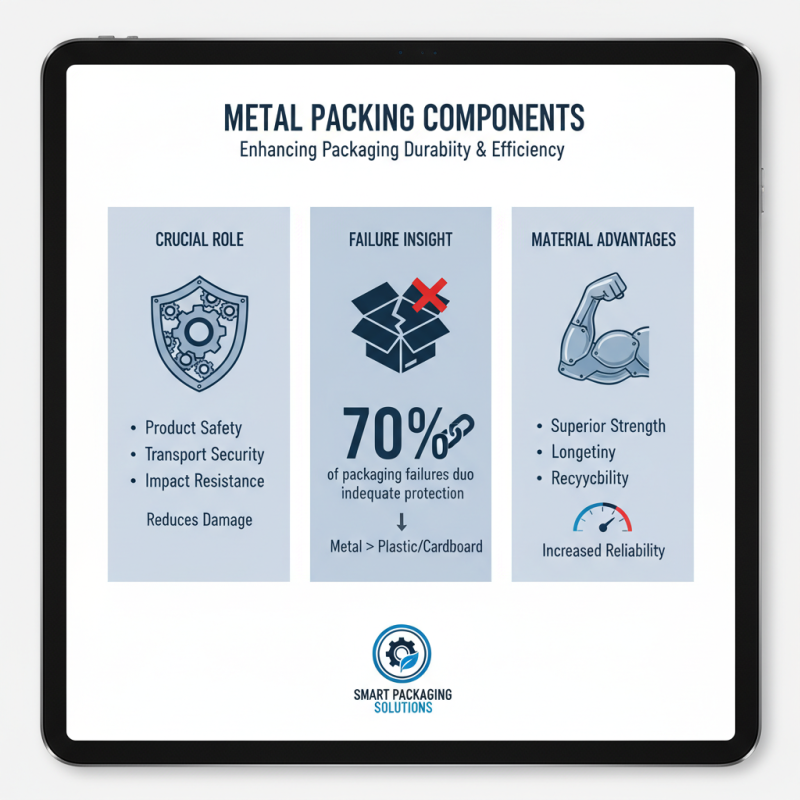
Metal packing components play a crucial role in packaging solutions. These components enhance the durability and efficiency of packaging, ensuring products are safe during transport. According to a recent industry report, 70% of packaging failures are linked to inadequate protective components. Understanding the material selection is key. Metal components often provide superior strength compared to plastic or cardboard.
Each type of metal packing component serves a specific purpose. For instance, metal strapping offers security while metal pads can protect corners from impact damage. Research reveals that companies using metal components experience a 40% reduction in product damage during shipping. Yet, it is essential to evaluate the costs versus benefits. Some businesses overlook the long-term savings gained from reducing waste and returns.
Despite the advantages, challenges exist. Sourcing high-quality metal components can prove difficult, impacting overall efficiency. Additionally, companies must remain vigilant about weight and corrosion issues. Balancing these factors requires expert knowledge in material science and packaging design. Evaluating different solutions is crucial for improvement in this area. Addressing these imperfections can lead to significant advances in packaging strategies.
Essential Characteristics of High-Quality Metal Packing Materials
When considering high-quality metal packing materials, certain characteristics stand out. Durability is essential. Metal components should withstand various handling conditions. They must resist corrosion and physical wear, ensuring long-term use. This reliability prevents costly packaging failures.
Another critical aspect is compatibility. Metal packing materials should work well with diverse products. They must maintain integrity, keeping contents safe. Additionally, lightweight designs can reduce shipping costs while preserving strength. Customization is vital to meet specific needs.
Quality control is non-negotiable. Manufacturers should adhere to strict industry standards. Transparency in sourcing materials enhances trust. While many claim to offer the best, examining their processes reveals much. Not all metal components are created equal; vigilance is essential in choosing the right solution. This journey towards finding the ideal metal packing may lead to unexpected challenges.
Exploring Different Types of Metal Packing Components Available
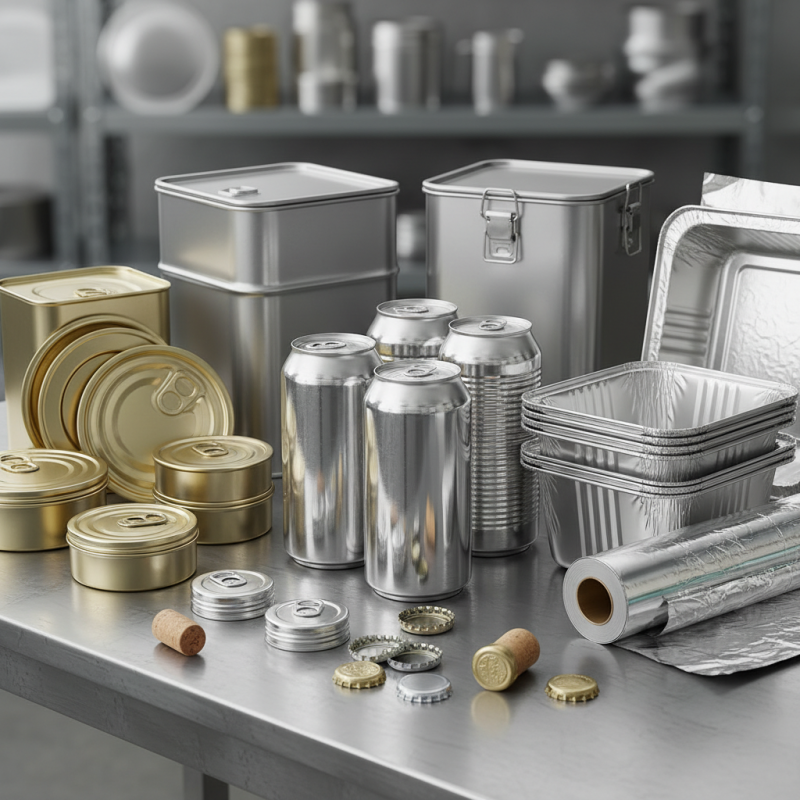
When it comes to efficient packaging solutions, the choice of metal packing components plays a crucial role. Various types of metal components are widely used in the industry. For example, metal foil is often utilized for its barrier properties. It protects against moisture and oxygen, ensuring product longevity. A report from the Packaging Machinery Manufacturers Institute (PMMI) highlights that over 30% of consumers prioritize packaging durability.
Another essential component is metal closures. They are vital for maintaining product integrity. Research indicates that over 40% of consumers find metal closures more appealing compared to alternatives. This preference suggests a significant opportunity for manufacturers to enhance their packaging strategies. At the same time, companies must consider sustainability. Many metal components can be recycled, reducing environmental impact.
Nevertheless, the selection process can be challenging. Not every metal component suits every product. Companies must analyze factors like weight, cost, and compatibility. This analysis can lead to inefficiencies if not done correctly. Furthermore, as technology advances, the market for innovative metal packing solutions continues to evolve. Staying informed about new developments is key. Ignoring these trends could lead to missed opportunities for enhancing both efficiency and consumer satisfaction.
Factors to Consider When Selecting Metal Packing Components
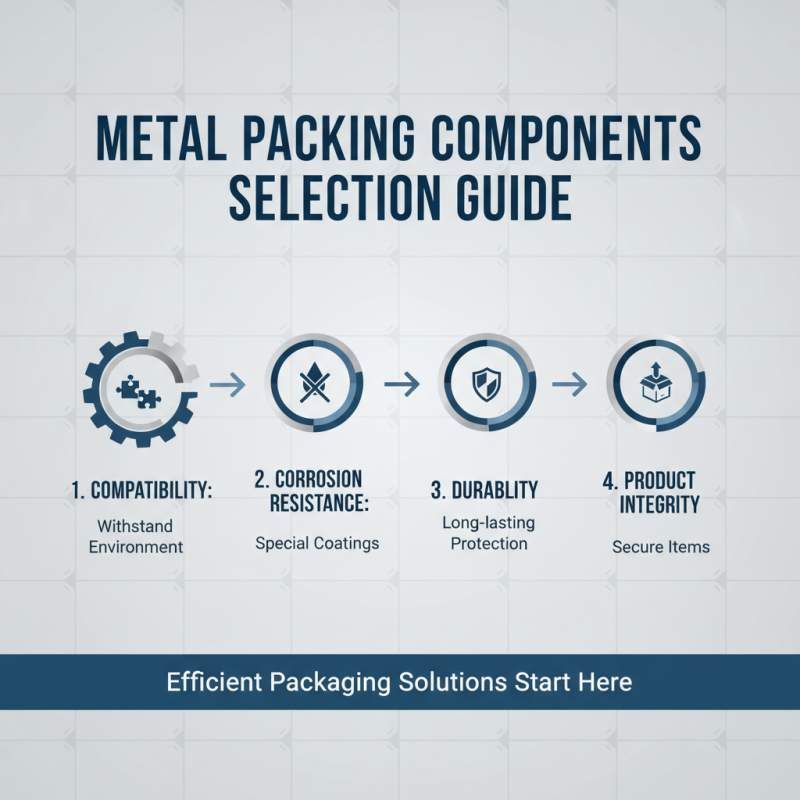
Selecting the right metal packing components is crucial for efficient packaging solutions. You need to consider various factors. Start with compatibility. The materials should withstand specific environments. For example, corrosive substances may require special coatings. This ensures durability and maintains the integrity of the packed items.
Next, think about size and shape. Components must fit your products perfectly. Oversized parts can lead to leaks or damage. In contrast, undersized components might not provide adequate protection. Additionally, assess weight. Lighter components reduce shipping costs and simplify handling.
Finally, evaluate the manufacturing process. Are the components made with precision? Poorly manufactured items can lead to failures. Seek suppliers who prioritize quality and consistency. It's beneficial to reflect on these factors continuously, improving your choices over time.
The Role of Metal Packing in Enhancing Packaging Efficiency
Metal packing components play a crucial role in enhancing packaging efficiency. They are vital for protecting products during transit and storage. Using metal materials can significantly reduce the risk of damage. Their durability ensures that products remain intact, from production to delivery. However, businesses must carefully select the right components for specific needs.
The integration of metal packing in the supply chain can streamline operations. For example, metal containers can be reused multiple times, promoting sustainability. This reuse mechanism often leads to cost savings in the long run. It is important to evaluate the environmental impact of packaging materials. Using metal can sometimes lead to challenges, such as increased weight.
The design of metal packing components also impacts functionality. Proper sizing and specifications are essential for optimal performance. Innovations in metal packing are continuously emerging, but not all may be suitable. Businesses must remain vigilant and assess whether these innovations meet their packaging goals. Balancing efficiency, cost, and environmental considerations is key. Engaging with industry experts can provide valuable insights for improvement.