How to Use a Lever Lock Pail Lid for Secure and Convenient Storage?
The Lever Lock Pail Lid is a remarkable solution for secure and convenient storage. Its design ensures that your contents stay safe while also being easily accessible. Many users appreciate how this system protects against spills and contamination.
Using a Lever Lock Pail Lid can be simple, yet effective. It provides a tight seal that prevents leaks, making it ideal for various applications, from food storage to industrial use. When locked properly, this lid can withstand pressure changes and impacts, demonstrating its reliability. However, users sometimes struggle with the locking mechanism, leading to frustration.
Understanding the best practices in using a Lever Lock Pail Lid is crucial. It’s essential not to overload the pail, as this compromises the seal. Observing these details can enhance your storage experience. Overall, this lid's benefits significantly outweigh the learning curve associated with its use.
Understanding Lever Lock Pail Lids: Features and Benefits
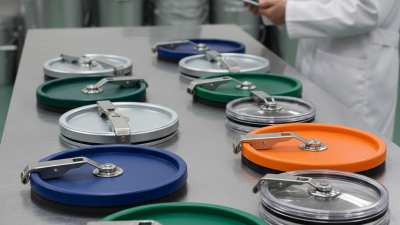
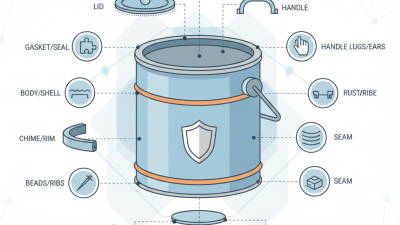
Lever lock pail lids are essential tools for effective storage solutions. These lids feature a unique locking mechanism that provides a secure seal. This helps keep contents fresh and safe from contamination. The design is user-friendly, making it simple for anyone to close or open the lid with ease.
Tips: Always inspect the locking mechanism before sealing. Look for any damaged parts. A broken lock can compromise security. Ensure you clean the lid regularly, especially if storing food items. This practice helps maintain hygiene and extends the lifespan of both the lid and the pail.
The durability of lever lock lids makes them suitable for various applications. They are ideal for both professional and personal use. Whether you are storing liquids or dry goods, these lids enhance convenience. However, it’s vital to choose a suitable size for your pail. A mismatched lid may lead to spills or contamination.
Selecting the Right Lever Lock Pail for Your Storage Needs
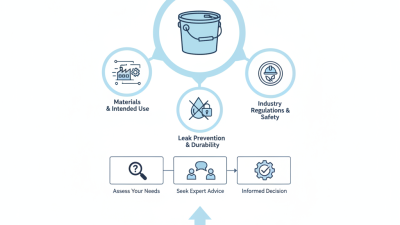
Selecting the right lever lock pail for your storage needs involves understanding various factors. The size and material of the pail are crucial.
Industry data shows that polypropylene pails offer better chemical resistance than metal. When storing hazardous materials, choose a pail that meets National Institute of Occupational Safety and Health standards.
Another consideration is the weight capacity of the pail. Research indicates that pails with a lever lock mechanism can hold 15% more weight securely. This feature is essential for industries where heavy materials are common. Moreover, consider the environment. Pails exposed to extreme temperatures may not perform well.
A detailed study found that pails can expand or contract, affecting the seal integrity of the lid.
While convenience is vital, it's also important to reflect on the potential downsides. Some lever lock pails may require additional strength to open, which might be a challenge in high-use scenarios. Ensuring the lid is properly locked is crucial. A study highlighted that improper locking can lead to leaks, jeopardizing both safety and product quality. Assessing these factors thoroughly enhances both safety and efficiency in storage solutions.
Step-by-Step Guide to Properly Seal a Lever Lock Pail Lid
Lever lock pail lids are essential for secure storage. They provide an airtight seal that keeps contents safe from contaminants. Properly sealing a lever lock lid enhances the longevity of the materials inside. According to a report by the Packaging Association, improper sealing can lead to a 15% loss of product quality over time. This illustrates the importance of using these lids correctly.
To seal a lever lock pail lid, start by ensuring the rim of the pail is clean and dry. Position the lid properly and press down firmly. Then, engage the lever by pushing it down until it clicks into place. Regular checks of the seal are important. A well-sealed lid should prevent air from entering. If air is escaping, it may indicate a need for re-sealing or replacing the lid.
Tip: Always store the pail in a cool, dry place. Extreme temperatures can affect the seal. Additionally, consider labeling the pail with the contents and date for better organization. Professional recommendations suggest that users replace any worn or damaged lids immediately to ensure optimal performance. Remember that even small gaps in sealing can lead to spoilage or degradation of the designated materials.
Tips for Maintaining and Cleaning Your Lever Lock Pail Lid
Maintaining and cleaning your lever lock pail lid is essential for longevity.
Regular care can ensure it functions well.
Begin by inspecting the lid for any cracks or damages. A damaged lid can compromise its security and usability.
If you find any issues, consider replacing it immediately.
Cleaning is straightforward.
Use warm soapy water and a soft cloth to remove dirt and residue. Rinse thoroughly to avoid soap buildup.
Allow the lid to dry completely before reusing it. This helps prevent mold and unpleasant odors.
Avoid using harsh chemicals on the lid since they can degrade its material.
Additionally, remember to keep the pail itself clean. Regular cleaning can prevent unwanted leaks or spills.
Proper care will prolong the life of your lever lock pail lid.
Common Uses and Applications for Lever Lock Pail Lids in Storage
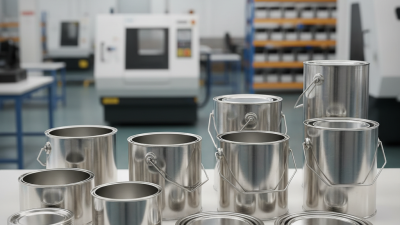
Lever lock pail lids have become increasingly popular for storage solutions across various environments. Their design offers a simple yet effective way to secure contents, preventing spills and contamination. Commonly used in laboratories, kitchens, and construction sites, these lids provide a reliable seal that keeps materials fresh and safe. For instance, they are ideal for storing chemicals or food items, ensuring safety and longevity.
The versatility of lever lock pail lids makes them suitable for both professional and personal use. In a workshop, they can protect paint or solvents from evaporation or spills. In a home setting, users store gardening supplies or pet food conveniently. However, one must consider the proper handling of these lids. Improper sealing could lead to leaks, and that’s frustrating. Users should regularly inspect the locking mechanism to ensure reliable closure.
Even in commercial settings, there may be issues. Some pail lids may wear over time, affecting performance. Users should remain vigilant and replace them when necessary. While these storage solutions offer many benefits, they also require attention. Finding that balance between convenience and reliability is crucial for effective use.
Common Uses of Lever Lock Pail Lids