Leave Your Message

How to Choose Empty Paint Can Components?

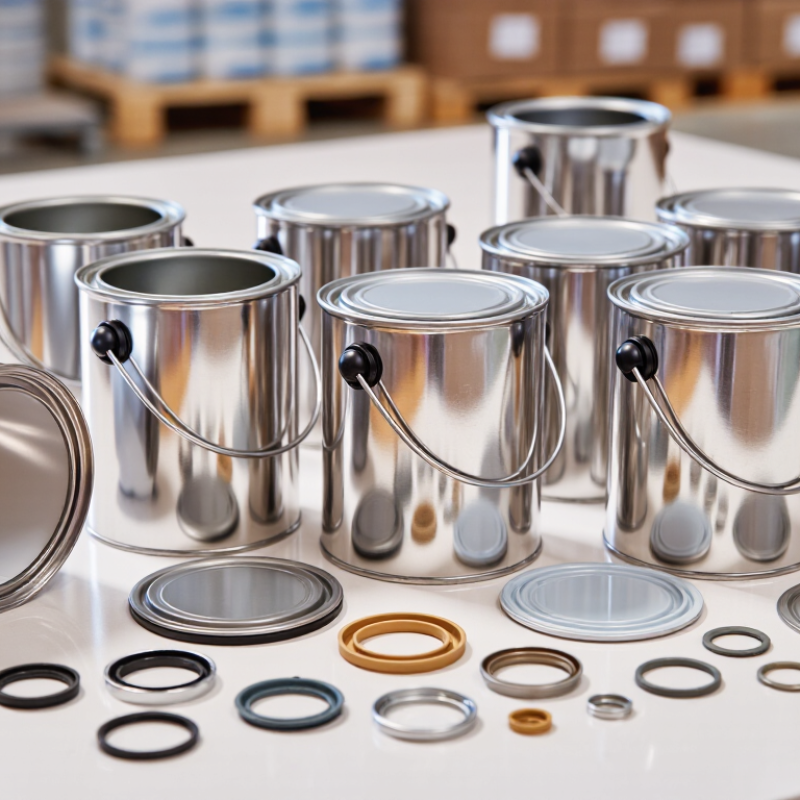
Choosing the right Empty Paint Can Components affects product protection, filling efficiency, shelf life, and customer experience. A can is not merely a metal container. Its body, lid, cover, handle, gasket, and internal coating must work together under real manufacturing conditions. A small mismatch can cause leakage, denting, difficult opening, or paint contamination. These problems often appear after transport, not during the factory inspection.

Start by identifying the paint formulation, filling volume, and expected storage environment. Water-based paint may require different internal protection than solvent-based paint. The can diameter should suit filling equipment and warehouse stacking patterns. Check the lid fit carefully. A reliable closure should resist vibration while remaining practical for retailers and end users. Handles also deserve attention, especially for larger cans carried with wet gloves or dusty hands.

Material quality matters.

Experienced purchasers should request coating specifications, dimensional tolerances, corrosion-resistance data, and batch inspection records. Samples should be filled, sealed, stacked, and transported before full production. This practical test can reveal weaknesses that a catalog cannot show. Supplier experience is valuable, but it should not replace evidence. Ask how components performed with similar paints, climates, and distribution routes. Sometimes the cheapest component passes an initial check yet creates higher costs through damaged goods and customer complaints. That assumption deserves review. A well-selected component set supports safer handling, consistent branding, and more dependable packaging performance. The best choice balances technical compatibility, production speed, appearance, and total operating cost.
How to Choose Empty Paint Can Components?

Define the Paint Can’s Intended Use and Capacity

Choosing empty paint can components starts with the intended use, not the appearance of the container. A can for interior wall paint may need different protection than one for industrial coatings. Consider the product’s viscosity, drying behavior, storage period, and application method. Water-based paint can expose metal to moisture, while solvent-based formulas may challenge inner coatings and seals. Test the filled can under realistic conditions. Do not rely on appearance alone.

Capacity also affects performance, handling, and material efficiency. A small can suits color samples, repair work, or short-term projects. Larger cans reduce packaging per liter but become heavier and harder to pour. The selected size should leave enough headspace for filling accuracy and movement during transport. Too much empty space can increase splashing and skin formation. Too little space may cause leakage around the lid.

Component selection must match the capacity. A larger can may require a stronger handle, reinforced lid, and more reliable closure system. Check whether the opening supports clean stirring and controlled pouring. In practical trials, inspect the rim after repeated opening, especially when users employ basic tools. Small deformations can weaken the seal. A minor issue, perhaps. But it can become expensive during storage.

Review the full combination: can body, lid, handle, gasket, inner coating, and protective finish. Suppliers should provide measurable specifications and test data. Still, specifications are not the whole answer. Real paint behavior can surprise you. Temperature cycling, stacking pressure, and rough handling deserve testing before final selection.

Select the Right Can Body Material and Thickness

How to Choose Empty Paint Can Components?

The can body material affects durability, weight, and compatibility with the paint inside. Steel remains a practical choice for solvent-based coatings and demanding storage conditions. It resists dents reasonably well and provides a stable surface for labels and printing. However, steel can corrode when moisture reaches exposed edges or damaged coatings. Plastic bodies are lighter and resist rust. They can suit water-based paints, especially when transport weight matters. Yet, some solvents may soften or weaken certain plastics. Always check chemical compatibility with reliable technical data before production.

Thickness requires a balance between protection and cost. A thin body reduces material use, but it may buckle during stacking or filling. A thicker body feels stronger and handles rougher distribution. It also adds weight and expense. In practical testing, I would fill sample cans, stack them, and inspect seams, rims, and sidewalls. One test is never enough. Temperature changes can reveal weaknesses that a room-temperature inspection misses. I once treated thickness as the main quality factor, but material structure and seam design mattered just as much.

Tips: Match the body material to the coating formula, storage period, and shipping route. Check the can after vibration, compression, and temperature testing. Do not choose the thinnest option automatically. A small saving can create dents, leaks, or customer complaints. Consult the material supplier’s compatibility data, and record test results for each can specification.

Choose a Compatible Lid and Sealing Method

Choosing an empty paint can component starts with the lid. A compatible lid must match the can’s diameter, bead profile, and material thickness. Even a small mismatch can cause leakage, rust staining, or difficult opening. For solvent-based paint, a tight mechanical seal helps limit vapor loss. For water-based paint, sealing still matters because air exposure can create a dry skin on the surface.

A practical test uses a filled can, a clean rim, and controlled storage. Press the lid evenly around the bead, then inspect for gaps under bright light. Invert the can briefly only after the seal has settled. This simple check is useful, but it is not a complete transport test. The ASTM packaging committee identifies closure integrity and conditioning as important parts of package performance evaluation. The U.S. Environmental Protection Agency’s latest packaging data also places steel packaging recycling near 70%, so a steel lid can support established recovery systems when coatings and components are compatible.

Tips: Match the lid compound to the paint chemistry. Test after heat, cold, vibration, and repeated opening. Do not rely on hand pressure alone. A gasket may improve sealing, yet it can complicate recycling if its material differs from the can. I have found that “airtight” is often assumed, not measured. That assumption deserves review. Document torque, drop results, and storage time before approving the component. Small records prevent expensive failures.

How to Choose Empty Paint Can Components? - Choose a Compatible Lid and Sealing Method

Container Type Typical Material Compatible Lid Recommended Sealing Method Best-Suited Contents Key Compatibility Checks Practical Advantages Important Limitations
Round metal paint can with friction-fit lid Tinplate steel or electrolytic tinplate Plug-style metal lid Water-based architectural paint, primers, varnishes, and general coatings Match the lid diameter, curl profile, sidewall height, and gasket position to the can body. Confirm that the closure is suitable for the product's viscosity and storage orientation. Fast opening and closing; widely used for products that may require repeated access. Incorrect lid pressure or a mismatched curl can cause leakage, poor stackability, or lid deformation.
Round metal can with lever-lock lid Steel body with a metal lid and locking lever Lever-lock lid Industrial coatings, maintenance paints, adhesives, and products needing frequent opening Check the locking-ring diameter, lid edge profile, lever clearance, gasket material, and required closing force. Convenient resealing and easy access without permanently deforming the lid. The locking mechanism adds component cost and may require more headspace for safe closing.
Small round metal can with plug lid Tinplate steel or aluminum, depending on product requirements Push-in plug lid Touch-up coatings, specialty paints, laboratory quantities, and small-volume formulations Verify opening diameter, plug depth, bead geometry, gasket or liner material, and resistance to solvent swelling. Compact format with a simple closure and relatively low material use. Small openings can make filling, cleaning, and product retrieval more difficult.
Metal can with threaded neck Steel or aluminum body with a threaded metal or plastic neck Screw cap Liquid coatings, colorants, additives, and products that need controlled dispensing Match thread standard, thread size, cap inner diameter, liner thickness, and torque range. Check compatibility with filling equipment. Consistent opening torque and convenient resealing during repeated use. Over-tightening may damage the thread or liner; under-tightening may reduce leak resistance.
Rectangular metal paint can with friction-fit lid Tinplate steel Rectangular friction-fit lid Decorative coatings, primers, stains, and products supplied in space-efficient packs Match length, width, corner radius, curl dimensions, lid nesting height, and handle clearance. Efficient pallet and shelf utilization compared with many round formats. Corners are more sensitive to dents and uneven closing pressure than circular containers.
Plastic pail with snap-on lid Polypropylene or high-density polyethylene Snap-on plastic lid Water-based paints, textured coatings, joint compounds, and higher-volume products Check resin compatibility, pail and lid nominal diameter, bead-and-groove design, handle clearance, and drop resistance. Lightweight, corrosion-resistant, and suitable for larger fill volumes. Some solvents can soften or stress-crack plastics; temperature exposure may affect fit and rigidity.
Plastic pail with tamper-evident lid Polypropylene or high-density polyethylene Tamper-evident snap lid Retail coatings, water-based construction products, and products requiring visible opening evidence Confirm tamper-band dimensions, closure force, rim geometry, seal continuity, and the customer's opening requirements. Provides visible evidence of first opening and supports product-integrity checks. The tamper feature may be damaged by impact or incorrect closing equipment before distribution.
Metal can requiring high leak resistance Tinplate steel with a compatible sealing compound Seamed metal lid with gasket compound Solvent-based coatings, low-viscosity liquids, and products transported over long distances Assess solvent resistance, chemical compatibility, seal width, seam integrity, internal pressure, and transport vibration. Offers a robust barrier when the seam and compound are correctly specified. Requires controlled seam formation and inspection; a visibly tight lid does not alone confirm seal integrity.
Container requiring additional tamper evidence Metal or plastic, depending on the coating formulation Lid with liner plus security feature Retail products, specialty coatings, and formulations where unauthorized opening must be detectable Validate seal adhesion, liner compatibility, opening force, application temperature, and interaction with the main lid. Improves evidence of package integrity during storage and distribution. Additional components can increase packaging complexity and may affect recyclability or filling speed.
Selection should be confirmed through dimensional checks, material-compatibility testing, closure trials, and leak testing with the actual paint formulation.

Evaluate Handles, Rings, and Opening Mechanisms

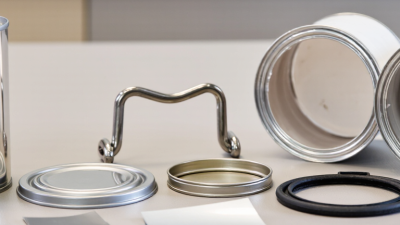
Choosing empty paint can components requires more than matching metal parts. The handle must feel balanced when the can is full. A wire handle with a comfortable grip reduces pressure on the fingers. Check its attachment points carefully. They should sit firmly without sharp edges or loose movement.

The ring connects the lid to the can body, so its fit deserves close inspection. A correctly formed ring should maintain even pressure around the rim. Uneven crimping can create gaps, dents, or difficult opening. Look for consistent thickness and a clean inner surface. Small defects often become larger problems during stacking and transport.

The opening mechanism should match the user’s tools and working conditions. Lever-style lids open quickly, but weak tabs may bend after repeated use. Pull-tab designs offer convenience, although they can require more force than expected. Test several samples by opening them with clean, ordinary tools. Measure the force, inspect the rim, and close the lid again. It should not feel forced.

I once approved a component because its dimensions looked correct, but the handle twisted under load. That mistake showed me that drawings cannot replace practical testing. A slightly imperfect sample may reveal a production issue worth investigating.

Verify Coating Safety, Compatibility, and Quality Standards

Choosing empty paint can components starts with coating safety, not appearance. The inner lining, lid compound, handle, and welds must suit the paint chemistry. Water-based, solvent-based, and high-solid coatings can react differently with the same metal surface. A practical incoming inspection should check the coating certificate, Safety Data Sheet, batch number, and curing record. It should also test adhesion using ASTM D3359 and chemical resistance using ASTM D1308.

Compatibility needs evidence. Do not trust a glossy interior alone. The World Paint and Coatings Industry Association’s 2024 market report estimates global coatings demand at more than 40 million tonnes annually, showing how widely packaging performance matters. Meanwhile, the European Chemicals Agency requires chemical information under REACH, supporting traceable substance and supplier documentation. For food-contact or sensitive applications, additional regional requirements may apply. The can should resist swelling, rust, pinholes, odor transfer, and color change during storage.

Quality control should include seam inspection, dimensional checks, drop testing, and leakage testing. ISO 9001-based production records can improve traceability, while ISO 12944 concepts help evaluate corrosion protection. Small defects matter. A tiny weld burr can damage a liner or create a leak path. I would also repeat compatibility tests after temperature cycling, because laboratory room conditions can hide real warehouse problems. That step is easy to skip. It should not be. Market reports provide useful direction, but actual paint formulation data must guide the final component choice.

How to Choose Empty Paint Can Components?

Verify coating safety, compatibility, and quality standards before selecting the can body, lid, lining, and closure components.

The chart maps widely used standards to the main selection criteria. A value of 1 means the standard directly addresses that criterion; 0 means it is not the primary focus. Actual acceptance limits depend on the coating chemistry, substrate, service conditions, and intended use.

References: FDA 21 CFR 175.300, Regulation (EC) No. 1935/2004, ASTM D3359, ASTM D3363, ASTM D4060, and ISO 2409.