Top Empty Paint Can Components for Efficient Usage and Recycling Guide?
The efficient utilization and recycling of empty paint can components is crucial in today's environmentally conscious world. Understanding the various parts of these cans can lead to better practices and minimize waste. Each component plays a role, from the can itself to the lid and label. These elements can often be overlooked, yet their proper management significantly impacts recycling efforts.
Many consumers are unaware of how to handle empty paint can components. Some think of them as mere trash. However, each part has different recycling possibilities. The metal structure is recyclable, but the paint residue complicates things. It is essential to learn how to clean and sort these components correctly. This knowledge can enhance recycling rates and contribute to a more sustainable future.
Examining the implications of our choices matters. Disposing of an empty paint can without consideration may lead to environmental harm. Reflecting on the recycling process encourages a sense of responsibility. By being mindful of how to manage empty paint can components, we can all play a part in reducing waste and protecting our planet.

Essential Components of Empty Paint Cans for Recycling
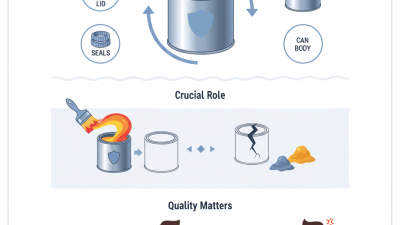
Empty paint cans are often overlooked in recycling efforts, yet they consist of several components that can be efficiently reclaimed. The most significant parts include the metal body, lid, and any liners. Each component can be processed differently, enhancing the recycling process. Unfortunately, many consumers simply discard them without realizing their value.
For effective recycling, it’s essential to clean cans properly. Residual paint can contaminate other recyclables. Therefore, rinsing out any leftover paint is crucial. Many people struggle with this step, leading to improper disposal. The lids often go unnoticed, yet they can also be separated and recycled.
When it comes to recycling, awareness is key. Not every municipality accepts paint cans. This inconsistency can lead to frustration. Educating the public about local regulations can improve recycling rates. Striving for better practices in disposing of empty paint cans is necessary. Every small effort contributes to a larger impact on our environment.
Top Empty Paint Can Components for Efficient Usage and Recycling Guide
| Component |
Description |
Recyclability |
Environmental Impact |
| Can Body |
The main container made from metal or plastic. |
Yes, recyclable depending on material. |
Reduces landfill waste when recycled properly. |
| Lid |
The cover that seals the can. |
Usually recyclable; check local guidelines. |
Minimizes risk of spills and waste if disposed of correctly. |
| Label |
Paper or synthetic material indicating contents. |
Varies; often needs removal before recycling can. |
Increased awareness of materials can promote proper disposal. |
| Plastic Spout |
Used for easier pouring of paint. |
Typically not recyclable; check local programs. |
May contribute to plastic waste if not disposed of properly. |
| Seal |
Protects paint from air exposure. |
Often not recyclable; disposal must be cautious. |
Prevents paint waste by maintaining product integrity. |
Understanding the Materials Used in Paint Can Manufacture
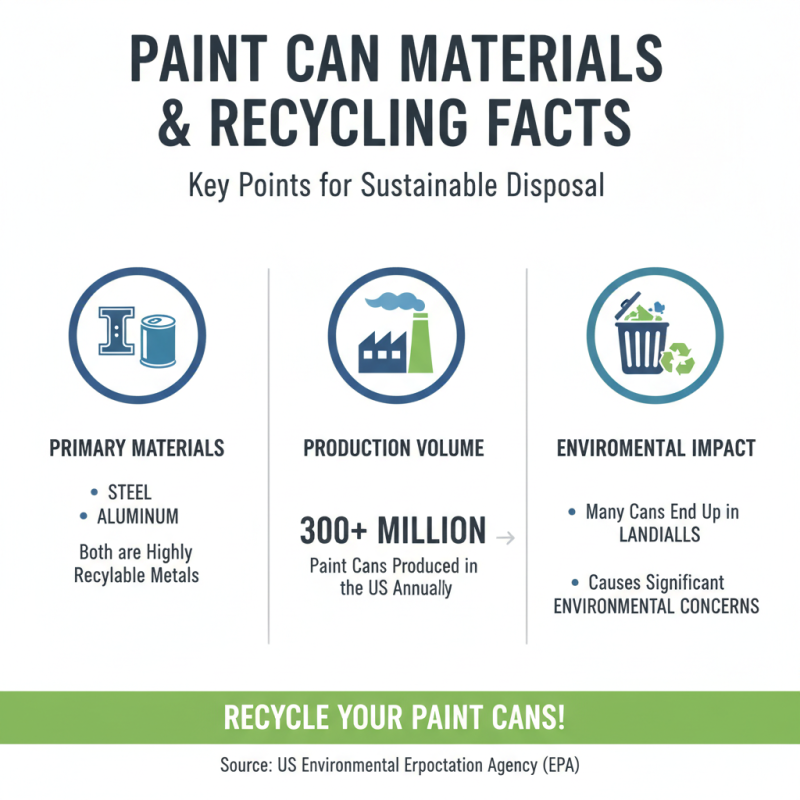
Understanding the materials used in paint can manufacture is essential for efficient recycling. Most paint cans are made from steel or aluminum, which are highly recyclable materials. According to the Environmental Protection Agency (EPA), over 300 million paint cans are produced in the U.S. each year. Many end up in landfills, which raises environmental concerns.
Steel cans, for instance, contain about 56% recycled content. This helps to reduce energy consumption during the manufacturing process. The recycling of aluminum cans is even more impressive, with recycling rates exceeding 90%. Unfortunately, not all consumers know that they can recycle their empty paint cans. Research indicates that about 70% of consumers discard them improperly. This emphasizes a need for better education on recycling protocols.
Moreover, the residual paint in cans poses challenges. Some empty cans still contain hazardous materials, which may require special disposal methods. Current industry practices can leave room for improvement. More transparent communication from manufacturers about proper disposal methods could lead to more effective recycling. Understanding the materials is just the first step toward responsible usage and recycling of paint cans.
Best Practices for Safe and Efficient Paint Can Disposal
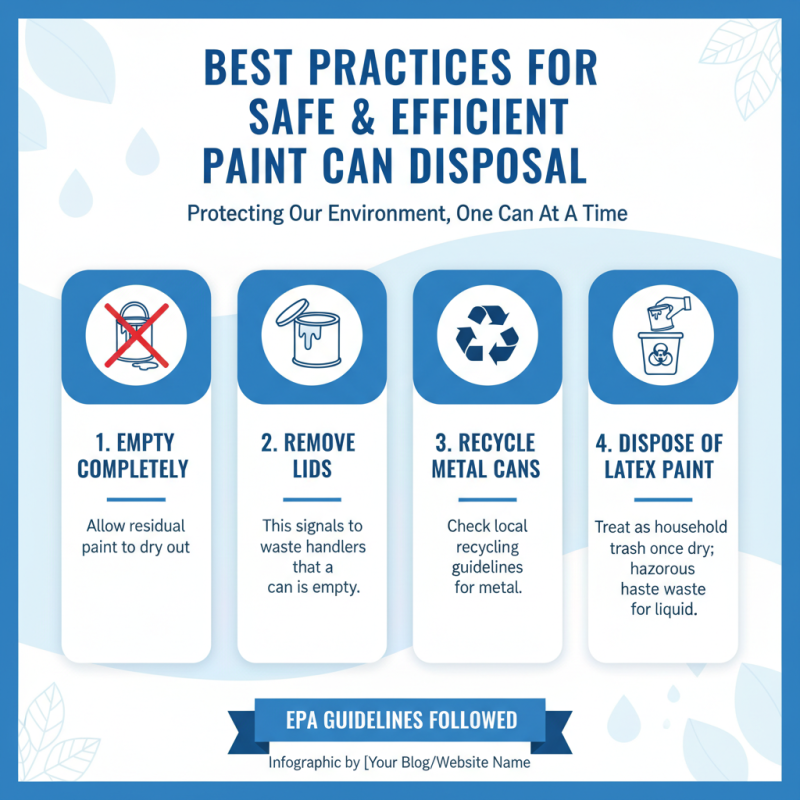
Disposing of empty paint cans requires careful consideration. According to the Environmental Protection Agency (EPA), improper disposal of paint cans can lead to hazardous waste being released into the environment. It's crucial to follow best practices for safe and efficient paint can disposal.
Start by completely emptying the paint can. If there's residue, allow it to dry out. This minimizes potential chemical exposure. Some states mandate the safe disposal of paint products. These laws often include specific guidelines on where and how to recycle. Research local regulations to ensure compliance.
Recycling is a preferred option. The PaintCare program reports that over 1.4 million gallons of paint were recycled last year. Paint cans made from steel are recyclable in most curbside programs. However, some facilities may not accept contaminated cans. Before recycling, check with your local authority to avoid mistakes. Remember, your efforts can significantly impact reducing landfill waste.
Innovative Techniques for Reusing Empty Paint Cans
Empty paint cans often end up in landfills. However, there are innovative techniques for reusing these cans. According to a report from the Environmental Protection Agency, recycling reduces waste and conserves energy. An empty paint can can serve various purposes beyond its initial use.
One way to repurpose an empty paint can is as a storage solution. Use them to organize tools, craft supplies, or gardening materials. Paint cans offer durability and stackable design. Additionally, using them outdoors makes for an interesting planter. The size is ideal for small flowers or herbs, creating a visually appealing garden space.
Another growing trend is creating DIY projects. Some people transform them into lanterns or bird feeders. These projects encourage creativity and sustainability. A survey shows that 70% of people are interested in eco-friendly crafts. This shift indicates a wider interest in reusing materials. Embracing such practices contributes to a positive environmental impact. However, caution is necessary. Ensure no harmful residues remain before repurposing. It's important to acknowledge the proper cleaning methods. Recycling and reusing paint cans can also inspire community initiatives and workshops, promoting environmental awareness.
Top Empty Paint Can Components for Efficient Usage and Recycling
Environmental Impact of Paint Can Recycling Practices
The recycling of paint cans is crucial for reducing environmental impact. Many consumers overlook the proper disposal of empty paint cans. A significant number of these cans end up in landfills, contributing to pollution. This is concerning, as it takes years for metal to decompose.
When paint cans are recycled, they can be transformed into new products. This process minimizes the need for raw materials. However, not all paint cans are easy to recycle. Residual paint can contaminate the recycling stream, making it less effective. Communities must promote proper disposal methods to ensure recyclability.
A gap exists between awareness and action. Many individuals lack knowledge about recycling practices for paint cans. Educating the public is essential for improving recycling rates. Local governments and organizations should focus on creating clear guidelines. Engaging with the community is vital. Without active participation, recycling efforts may fall short, impacting the environment adversely.