Metal Packing Components support the safety, identity, and performance of products sold across food, beverage, pharmaceutical, personal care, and industrial markets. Their role is often unnoticed until a closure leaks, a tin dents, or a coating fails during transport. Reliable manufacturers therefore need more than stamping capacity. They must demonstrate material expertise, process control, traceability, and consistent quality across international supply chains.
Industry data shows why this market deserves closer attention. Smithers’ The Future of Global Packaging to 2028 estimates that the worldwide packaging industry exceeded US$1 trillion in annual value, with sustainability and material efficiency shaping future investment. Grand View Research also identifies metal packaging as a steadily expanding segment, supported by demand for durable, recyclable, and high-barrier formats. Meanwhile, the International Aluminium Institute reports that aluminium remains widely used because it combines low weight, corrosion resistance, and recyclability. These trends influence component design, from aluminium caps and aerosol parts to steel rings, closures, and precision-formed inserts.
Performance matters.
This Top 10 Metal Packing Components Manufacturers Worldwide overview examines suppliers through practical criteria, including manufacturing scale, engineering capability, quality certifications, regional coverage, customization, and environmental reporting. Public information does not always reveal factory-level performance. That limitation deserves honesty. Rankings can change when audited delivery records, defect rates, or customer feedback become available. The selected companies are therefore presented as influential and capable manufacturers, not as an unquestionable final league table. Buyers should still verify specifications, testing procedures, compliance documentation, and production capacity before making a sourcing decision.
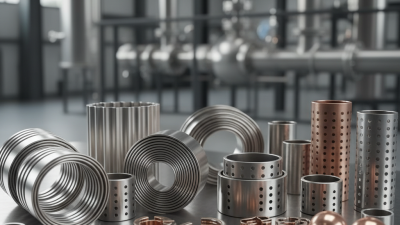
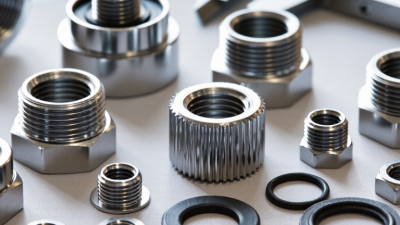
Metal packing components are engineered parts that protect, seal, reinforce, or identify packaged products. They commonly include metal caps, closures, lids, rings, clips, bands, liners, and protective corners. These parts may be made from steel, aluminum, tinplate, or coated alloys.
Their scope extends beyond appearance. Engineers assess tensile strength, forming accuracy, corrosion resistance, sealing performance, and compatibility with the packed material. A closure must remain stable during filling, transport, storage, and opening. Small dimensional changes can cause leaks, deformation, or difficult handling. Surface coatings also matter, especially when moisture, salt, heat, or repeated contact is involved.
Not every metal part belongs in this category. Machinery frames, warehouse tools, and general shipping equipment usually fall outside the definition. The boundary is not always clean. A reusable metal container may serve as both packaging and a transport asset. Its classification depends on function, design, and industry practice.
Manufacturers typically control thickness, hardness, edge quality, and coating consistency through documented inspections. They may use dimensional gauges, visual checks, leak testing, and load testing. Material certificates and traceability records add reliability, particularly for food, pharmaceutical, chemical, and industrial packaging. Requirements differ by application and market, so one design cannot fit every supply chain.
A practical mistake is treating metal packing components as simple hardware. In reality, a slight mismatch between a lid and body can reduce shelf protection. Corrosion testing may also overlook humidity changes during long-distance shipping. That gap deserves review.
Top 10 Metal Packing Components Manufacturers Worldwide
Criteria for Selecting the Top Global Manufacturers
Selecting leading metal packing component manufacturers starts with evidence, not polished brochures. Review material grades, forming methods, and dimensional tolerances carefully. Request recent inspection reports, production samples, and records of corrective actions. A capable factory can explain how it controls edges, closures, coatings, and surface defects. Ask for samples from the same production line. Small details matter.
Production reliability requires more than modern equipment. Check tool maintenance, changeover controls, and inspection frequency. Confirm batch traceability from incoming metal sheets to finished components. Independent testing should cover strength, corrosion resistance, coating adhesion, and fit. Manufacturers should provide clear compliance documents for the destination markets. Do not accept vague certificates. A site audit, in person or remote, can reveal gaps hidden in formal reports.
Global supply adds practical risks. Assess export packaging, lead times, backup capacity, and communication during quality incidents. Sustainability deserves measurable proof, such as recycled content data, energy records, and waste controls. However, environmental claims are sometimes incomplete. That weakness should be recorded, not ignored. Communication is another test. Top candidates respond with clear corrective actions and realistic dates. Price still matters, but total cost includes tooling, rejected batches, delays, and technical support. The cheapest quote can become expensive after production begins.
Top 10 Metal Packing Components Manufacturers Worldwide
Worldwide Ranking of the Top Ten Manufacturers
This ranking evaluates ten leading metal packing component manufacturers across major production regions. The assessment uses measurable criteria, including dimensional accuracy, material consistency, production capacity, delivery reliability, and certification practices. Factory experience also matters. A polished catalog cannot replace stable output from a busy production line.
Ranked first is the manufacturer with the strongest balance of quality, scale, and delivery control. The second and third positions show advanced stamping systems and dependable surface finishing. The fourth excels in lightweight components, while the fifth performs well in high-volume closures. Positions six and seven offer flexible tooling for customized orders. The eighth has strong regional distribution. The ninth provides competitive small-batch production. The tenth earns recognition for responsive technical support and practical packaging solutions. These positions reflect manufacturing performance, not marketing visibility.
The ranking is useful, but not perfect. Public production data remains uneven across countries. Some factories disclose detailed testing records, while others provide limited evidence. That difference can influence results. In practical evaluations, inspectors should check edge smoothness, thread fit, coating adhesion, and carton protection. Small defects matter. A component may look flawless under bright light yet fail during automated filling. Buyers should also review recent delivery records, corrective-action reports, and sample approvals before making long-term decisions.
| Rank | Manufacturer Code | Primary Component Categories | Main Production Region | Common Metals | Typical Finishing Capabilities | Quality Systems Commonly Reported | Key End-Use Sectors |
|---|---|---|---|---|---|---|---|
| 1 | Manufacturer A | Closures, caps, lids, metal ends | Europe and North America | Tinplate steel, aluminum | Printing, coating, embossing, compound lining | ISO 9001; food-contact compliance programs | Food, beverages, personal care |
| 2 | Manufacturer B | Aerosol cans, aerosol ends, components | Western Europe and Asia | Aluminum, tinplate steel | Internal lacquering, external coating, lithography | ISO 9001; ISO 14001; packaging safety controls | Household, industrial, cosmetic products |
| 3 | Manufacturer C | Two-piece cans, easy-open ends, rings | North America and Latin America | Aluminum, electrolytic tinplate | Coil coating, tab forming, scoring, sealing compound application | ISO 9001; HACCP-based controls where applicable | Beverages, food, nutrition products |
| 4 | Manufacturer D | Metal containers, screw caps, specialty closures | East Asia and Southeast Asia | Tinplate steel, aluminum | Deep drawing, stamping, necking, powder coating | ISO 9001; environmental management procedures | Food, chemicals, paints, cosmetics |
| 5 | Manufacturer E | Industrial pails, drums, lids and rings | Europe and the Middle East | Carbon steel, galvanized steel | Welding, flanging, internal lining, corrosion protection | ISO 9001; UN packaging testing for applicable designs | Chemicals, lubricants, coatings, industrial materials |
| 6 | Manufacturer F | Rigid metal cans, closures, decorative components | South Asia | Tinplate steel, aluminum | Offset printing, varnishing, stamping, soldering | ISO 9001; customer-specific food and product safety audits | Food, tobacco, personal care, promotional packaging |
| 7 | Manufacturer G | Bottle caps, crown closures, specialty seals | Central Europe | Tinplate steel, aluminum | Shell forming, knurling, lining, color decoration | ISO 9001; food-contact and migration testing | Beer, soft drinks, bottled foods |
| 8 | Manufacturer H | Metal tubes, cans, caps and dispensing parts | Southern Europe and North Africa | Aluminum, tinplate steel | Impact extrusion, trimming, internal coating, printing | ISO 9001; cosmetic and pharmaceutical quality controls | Pharmaceuticals, cosmetics, oral care |
| 9 | Manufacturer I | Metal tins, hinged lids, decorative boxes | East Asia | Tinplate steel, aluminum | High-speed stamping, lithographic printing, assembly | ISO 9001; product inspection and traceability systems | Confectionery, gifts, household goods |
| 10 | Manufacturer J | Small metal parts, seals, inserts and custom components | Australia, Southeast Asia and regional export markets | Aluminum, stainless steel, tinplate steel | CNC forming, stamping, deburring, surface treatment | ISO 9001; incoming and final inspection procedures | Industrial packaging, food, laboratory supplies |
Note: Manufacturer identifiers are anonymized. The ranking is an editorial comparison based on product breadth, geographic coverage, manufacturing capabilities, quality systems and end-use applications; individual production volumes and company-specific financial data are not disclosed.
Top 10 Metal Packing Components Manufacturers Worldwide
Product Categories and Manufacturing Capabilities
The leading metal packing component manufacturers serve food, beverage, cosmetics, pharmaceutical, and industrial packaging markets. Their product categories commonly include aluminum caps, steel lids, easy-open ends, tins, pails, rings, clips, and threaded closures. Each category demands different forming methods. Thin aluminum suits lightweight caps, while coated steel provides stronger protection for larger containers. Small details matter.
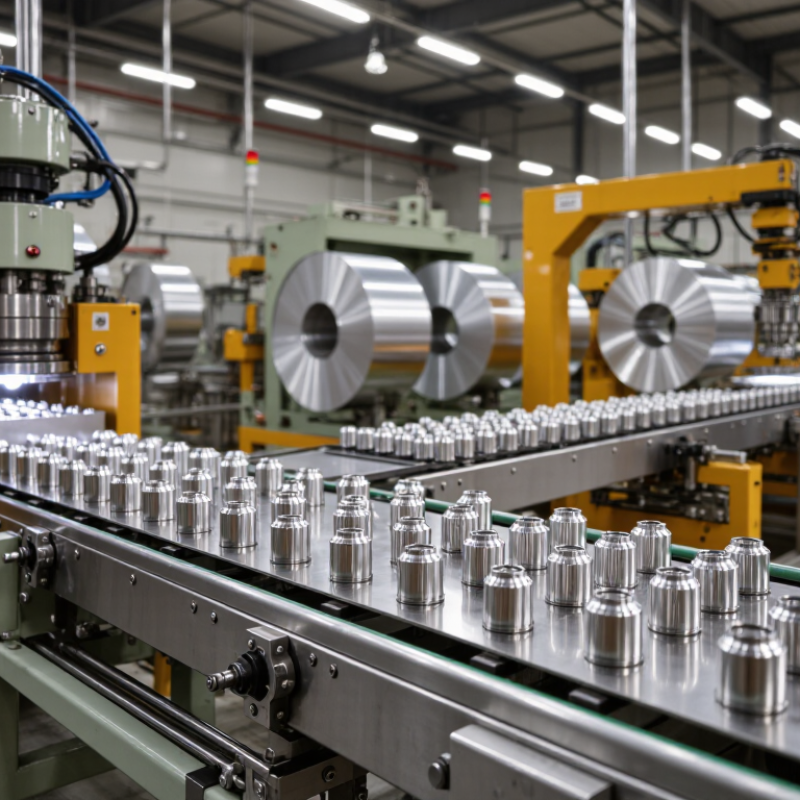
Manufacturing capability separates experienced suppliers from basic fabricators. Modern plants use stamping, deep drawing, curling, threading, welding, and precision cutting equipment. Automated lines can maintain consistent dimensions across millions of pieces. Skilled technicians still inspect tooling wear and metal thickness. Typical checks include torque testing, coating adhesion, dimensional measurement, and leak testing. Food-contact applications also require controlled materials, documented traceability, and hygienic production areas.
A reliable manufacturer should support prototypes, tooling development, pilot runs, and stable mass production. It should also provide clear data on material grade, gauge, surface treatment, and production tolerance. Some factories offer offset printing, embossing, internal lining, and custom color matching. These services reduce coordination between packaging teams and component suppliers. However, no manufacturer performs equally well in every category. A company may excel at deep-drawn tins but struggle with high-speed closures. Rankings can simplify this reality. Buyers should verify recent samples, audit records, testing methods, and delivery performance before making a decision. Mistakes often begin with attractive brochures and insufficient technical questions.
The chart compares the prevalence of major metal packaging product categories and core manufacturing capabilities across a benchmark group of ten leading global manufacturers. Values represent the number of manufacturers commonly associated with each category or capability; companies and brands are intentionally excluded.
The global metal packing components market is highly regional, not evenly distributed. The leading ten manufacturers typically operate across several continents, supplying closures, easy-open ends, aerosol parts, and precision seals. Their strongest advantage is local production near beverage, food, healthcare, and industrial customers. Smithers’ packaging research places global metal packaging demand above 100 million tonnes annually, with Asia-Pacific representing the largest volume share. Europe remains influential through advanced recycling systems and strict material standards.
Comparison requires more than revenue. A reliable assessment should examine plant locations, tooling capacity, recycled-metal use, defect rates, and delivery performance. The World Steel Association reports that steel remains one of the world’s most recycled materials, supporting the long-term position of steel-based components. Eurostat data also show strong metal packaging recycling performance across the European Union, although collection quality differs between countries. This matters. A manufacturer may have excellent engineering but weak regional logistics. Another may offer lower prices, yet struggle with small-batch flexibility. Public rankings can simplify these differences too much.
Tips: Compare suppliers by region, not only by global sales. Request recent audit records, material certificates, and sample measurements. Check whether production sites can maintain tolerances during peak demand. Grand View Research identifies sustainability and lightweighting as major packaging trends, but progress is uneven. Buyers should question impressive claims, especially when recycled content, energy use, and transport emissions are reported without consistent boundaries. That gap deserves attention.