Leave Your Message

Top Empty Paint Can Components for Global Buyers

For global buyers, selecting reliable Empty Paint Can Components requires more than comparing prices. Each part influences filling efficiency, product protection, transport safety, and brand presentation. A steel can body needs consistent thickness and clean seams. Lids should close securely without excessive force. Handles must support practical carrying during warehouse handling and retail use. Gaskets, rings, coatings, and printed labels also deserve careful review.

Small details matter.

Experienced sourcing teams usually request drawings, material specifications, coating information, and production samples before approving a supplier. They may also check dimensions, stacking performance, corrosion resistance, and closure compatibility with filling equipment. Clear batch records can support traceability when quality questions arise. Supplier audits and independent testing offer additional confidence, especially when products cross different markets. Requirements can vary by destination, paint formulation, recycling system, and packaging regulations. Buyers should confirm current local rules with qualified compliance professionals.

No component is perfect. A thicker lid may improve strength but increase weight and shipping cost. A glossy finish may attract attention but show scratches more easily. That trade-off deserves honest evaluation. Even experienced teams can overlook the effect of humidity, temperature changes, or long storage periods. This guide examines practical Empty Paint Can Components for international purchasing, focusing on construction, performance, customization, inspection, and supplier reliability. The goal is not to promise a universal solution. It is to help buyers ask sharper questions, reduce avoidable defects, and choose components that fit real production conditions.
Top Empty Paint Can Components for Global Buyers

Paint Can Body: Materials, Shapes, Sizes, and Structural Features

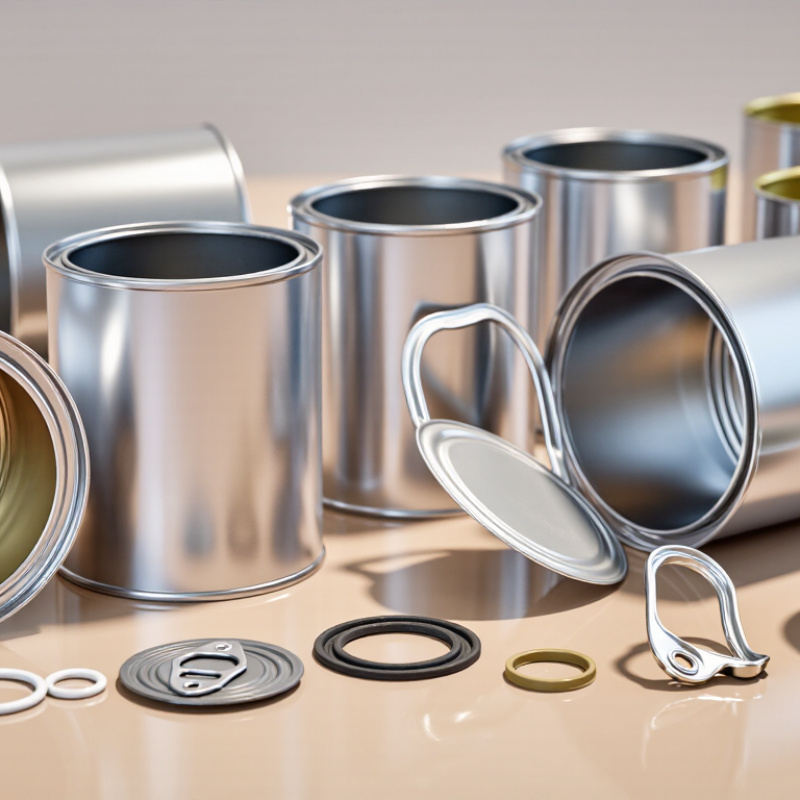
For global buyers, the paint can body should match the coating, filling line, and transport conditions. Tinplate steel remains common because it combines strength, formability, and reliable barrier protection. Galvanized steel may suit selected applications, but compatibility testing is still necessary. Recycled content can reduce material use, although coating quality must not be sacrificed.

Round bodies are widely used for manual handling and efficient pallet storage. Rectangular bodies can improve shelf utilization but may need stronger corner reinforcement. Tapered pails stack easily when empty and often support practical pouring. Available sizes range from small sample cans to large industrial containers. Confirm both nominal volume and actual fill capacity. Headspace matters. It helps prevent leakage during temperature changes and movement.

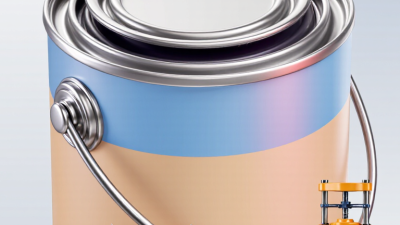
Structural details deserve careful inspection. A double seam connects the body and bottom, while reinforced beads improve resistance to dents. A rolled top edge protects workers and supports lid fitting. Wire handles should have secure ears and balanced attachment points. Lids may use friction-fit or gasketed designs, depending on sealing needs. Check body thickness, seam integrity, coating adhesion, and dimensional tolerance before approval. The cheapest gauge is not always the safest choice. I have seen minor rim distortion create major filling problems. That risk is easy to underestimate. Practical trials remain valuable, especially when machines, closures, and coatings come from different suppliers.
Lids and Closures: Types, Sealing Methods, and Compatibility

Top Empty Paint Can Components for Global Buyers

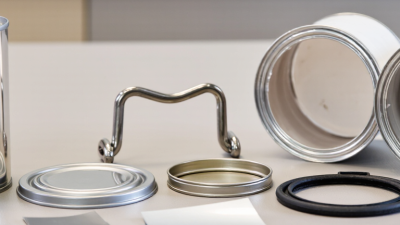
Lids and closures protect paint from air, moisture, dust, and accidental spills. Common options include press-on metal lids, threaded caps, plastic plugs, and pail-style covers. Press-on lids suit many round cans. They depend on accurate rim dimensions and steady closing pressure. Threaded closures offer repeated opening and closing. They require a matching neck finish and clean threads.

Sealing methods vary by coating and container design. A gasketed lid can improve resistance against leakage and evaporation. Some metal lids use sealing compounds inside the curl. These compounds must remain compatible with water-based or solvent-based formulations. Plastic closures may use liners, plugs, or molded sealing rings. The correct choice depends on viscosity, storage temperature, filling process, and transport conditions. Small differences matter.

Compatibility testing should include torque checks, drop testing, leak inspection, and storage trials. Test filled cans, not empty samples. An empty can hides real pressure changes. Buyers should also confirm lid diameter, closure material, liner composition, and application equipment. In practical sourcing, a lid may fit mechanically yet fail after several weeks. That detail is easy to miss. I would also question broad supplier claims without test records. A reliable closure is not simply tight; it must open smoothly, reseal consistently, and protect the coating throughout its expected use.

Handles, Bails, and Grips: Designs for Safe Transport and Use

For global buyers, empty paint can components must support safe handling from the factory floor to the job site. Handles, bails, and grips deserve careful evaluation. A strong bail should fit tightly into reinforced side lugs. It should rotate smoothly without scraping the can body. Small parts matter.

Wire diameter, bend accuracy, and surface protection affect transport reliability. A handle that feels secure when empty may fail under a filled load. Buyers should request load testing with the intended can size and contents. Grip materials also need resistance to moisture, paint residue, and repeated contact. Textured plastic can improve control when gloves are wet. However, overly sharp textures may create pressure points during long carrying.

Ergonomics often reveals problems that specifications miss. I have seen handles pass basic strength checks but feel uncomfortable after several minutes. That detail can reduce user confidence. A wider grip may distribute weight more evenly, while a flexible insert can reduce hand fatigue. Still, flexibility should not cause excessive movement or poor balance. Inspectors should check attachment points, coating consistency, and pinch risks before shipment. Packaging also matters because loose bails can scratch can surfaces during transit. The best design is not always the most complex. Clear dimensions, repeatable testing, and honest feedback usually create more dependable components.

Top Empty Paint Can Components for Global Buyers - Handles, Bails, and Grips: Designs for Safe Transport and Use

Typical component specifications for empty metal paint cans and pails

Component Common Material Typical Size Range Typical Working Load Surface Protection Best-Suited Pack Size Safety and Use Characteristics
Standard Wire Handle Low-carbon steel wire 2.5–4.0 mm wire diameter; 1–5 L cans Approximately 8–15 kg static load Electroplated zinc or tin-coated finish Small and medium paint cans Lightweight, economical, and easy to stack when folded against the can body
Heavy-Duty Wire Bail High-tensile steel wire 3.5–5.0 mm wire diameter; 5–20 L pails Approximately 20–35 kg static load Zinc plating, tin coating, or painted protection Medium and large metal pails Suitable for heavier contents; reinforced attachment points help reduce pull-out risk
Plastic Comfort Grip Polypropylene or polyethylene Grip length typically 80–130 mm Typically matched to a 10–25 kg bail assembly Molded polymer; optional textured surface Household, decorative, and industrial paint pails Improves hand comfort and reduces direct contact with metal wire during carrying
Metal Tubular Grip Steel tube with polymer sleeve Tube diameter 8–14 mm; grip length 90–140 mm Approximately 20–35 kg static load when correctly fitted Zinc-plated steel with polypropylene or PVC sleeve Large pails and high-frequency handling applications Combines structural strength with improved grip comfort and load distribution
Offset Bail with Clearance Formed steel wire Typical clearance 15–30 mm from can wall Approximately 12–25 kg static load Zinc-plated or tin-coated finish Cans requiring gloves or frequent manual lifting Provides additional finger clearance and reduces contact with the can rim
Pivoting Bail Assembly Steel wire with stamped steel ears Commonly used on 4–20 L containers Approximately 15–30 kg static load Tinplate, zinc plating, or corrosion-resistant coating Reusable transport pails and stackable containers Folds flat for storage and shipping while allowing a balanced carrying position
Reinforced Attachment Lug Stamped low-carbon steel Typical thickness 0.6–1.2 mm Designed for the rated load of the matching bail Tinplate or zinc-coated steel Medium and heavy-duty pails Distributes force around the mounting area and supports secure bail movement
Corrosion-Resistant Bail Stainless steel wire Typically 2.5–4.0 mm wire diameter Approximately 8–25 kg static load, depending on diameter Natural stainless-steel surface or passivated finish Water-based coatings, humid storage, and outdoor handling Offers better resistance to rust and staining than untreated carbon steel
Ergonomic Dual-Material Grip Rigid polypropylene core with soft elastomer surface Grip length typically 90–140 mm Typically matched to a 15–30 kg bail assembly Molded, textured, and color-coded polymer surface Professional and frequent-use paint pails Improves grip control, reduces pressure points, and supports comfortable repeated lifting
Specification note: Load figures are typical static design ranges for properly installed components. Actual capacity depends on wire diameter, attachment geometry, container construction, contents, loading angle, corrosion condition, and applicable transport or packaging requirements. Testing should be completed before commercial use.

Interior and Exterior Coatings: Protection, Safety, and Product Suitability

Top Empty Paint Can Components for Global Buyers

Interior and exterior coatings demand different protection. Interior paints often need clean, low-odor storage. Exterior coatings face moisture, sunlight, and temperature changes. A reliable empty paint can should include a tight-fitting lid, durable handle, reinforced seam, and compatible internal lining. The lining matters. Some water-based formulas may react with unsuitable metal surfaces. Solvent-based coatings can also soften weak seals.

Mordor Intelligence reported that the global paints and coatings market reached about USD 146.71 billion in 2024. This growth increases pressure on packaging consistency and filling safety. The U.S. Environmental Protection Agency reported a steel packaging recycling rate of about 70.9% in 2021. Steel remains practical for global distribution because it protects against impact and supports recycling systems. However, recycled steel quality can vary. That detail deserves more attention.

Tips: Match the can lining with the coating chemistry. Check seam strength before export. Test lids after vibration and temperature cycling. For exterior products, use corrosion-resistant surfaces and secure handles. For interior products, inspect odor transfer and cleanliness. Do not rely only on appearance. A bright can may still have a weak seal. No container is perfect. Specification reviews should remain realistic.

Top Empty Paint Can Components for Global Buyers

Interior and Exterior Coatings: Protection, Safety, and Product Suitability

Typical material density helps buyers compare component weight, handling, transport efficiency, and sealing design. Tinplate steel is commonly selected for paint-can bodies and lids because of its strength and durability. Polypropylene, polyethylene, and EPDM are frequently considered for handles, liners, seals, and closure-related parts where flexibility, chemical resistance, or leak protection is required. Values are typical reference properties and may vary with alloy, grade, additives, and manufacturing process.

Quality Standards, Customization, and Global Sourcing Considerations

Top Empty Paint Can Components for Global Buyers

Reliable empty paint cans depend on more than the metal body. Buyers should assess the can body, lid, handle, rim, plug, and internal lining as one system. A poorly fitted lid can cause leakage, denting, or contamination during transport. Steel thickness should match the product weight and stacking conditions. The rim needs consistent forming, especially when automated filling equipment is used. Handles should feel secure without creating sharp edges.

Quality standards must be measurable. Request material certificates, dimensional tolerances, coating details, and closure test records. Practical suppliers can provide samples from normal production, not only selected pieces. Check the can after opening and closing it repeatedly. Small defects often appear there. Visual inspection alone is insufficient. Drop tests, pressure checks, and coating adhesion tests can reveal weaknesses. Requirements may differ by destination, paint type, and packaging environment, so technical documents should be reviewed carefully.

Customization may include printed surfaces, embossed lids, color matching, special handles, or altered dimensions. However, every change can affect tooling costs, minimum order quantities, and delivery time. Global sourcing also requires clear pallet plans, moisture protection, carton strength, and traceable batch information. Confirm production capacity before accepting a low price. A supplier may promise flexibility but struggle with repeat orders. That risk deserves attention. Shipping distance, port schedules, inspection access, and communication hours can influence the real purchase cost. A strong sourcing decision balances appearance, performance, documentation, and dependable follow-up.