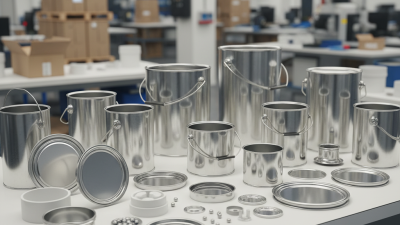
Global paint production depends on packaging that protects color, viscosity, and shelf life during storage and transport. Paint Can Components include steel bodies, lids, rings, handles, closures, liners, and specialty coatings. Each part must work together. A small dimensional error can cause leakage, corrosion, or a difficult opening experience.
Industry reports show why this supply chain deserves closer attention. Smithers’ metal packaging studies identify durability, recyclability, and material efficiency as continuing priorities for global packaging buyers. Grand View Research reports sustained growth in the broader metal cans market, supported by demand for durable and recyclable containers. The World Bank’s Commodity Markets Outlook also highlights how steel and energy price movements can influence manufacturing costs. These findings matter for paint brands seeking stable quotations and predictable delivery.
This guide reviews ten Paint Can Components suppliers for international buyers. The assessment considers component quality, production capacity, export experience, testing procedures, customization, minimum order quantities, and documentation. It also considers practical details, such as lid fit, handle strength, stacking performance, and coating resistance against solvent-based formulas. Supplier claims should not be accepted without evidence. Request samples.
No ranking is perfect. Regional strengths, currency changes, and changing freight rates can alter the final decision. Buyers should verify factory certifications, inspection records, material specifications, and recent customer references before signing agreements. A supplier may offer a low unit price but create hidden costs through damaged cartons, inconsistent dimensions, or delayed replacement parts. The strongest choice is rarely the cheapest one. It is the supplier that performs consistently under real operating conditions.
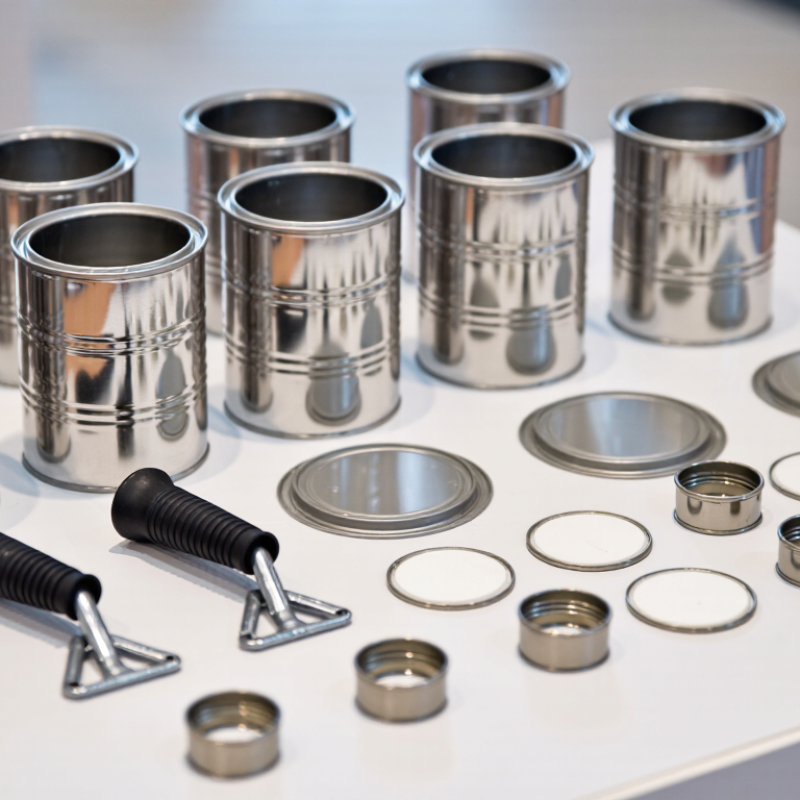
A modern paint can begins with a formed steel body. Its walls must resist denting during filling, stacking, and long-distance shipping. A protective inner coating separates the paint from bare metal and helps prevent corrosion. The outer surface usually carries a printed label or applied sleeve. It identifies the product, batch, volume, and handling information.
The lid includes a tight-fitting plug or pour opening. Many designs use a removable closure that limits spills and reduces skin formation. A flexible gasket can improve the seal, although its performance depends on the paint formula and storage temperature. The rim and cover must align precisely. Small dimensional errors may cause leakage. They happen more often than buyers expect.
A strong rim also supports clean resealing after use. Larger cans may include a metal handle, wire grip, or reinforced attachment points. Some models add a controlled pouring edge to reduce drips. During supplier evaluation, buyers should check steel thickness, coating adhesion, seam quality, gasket compatibility, and closure torque. Sample testing under vibration and temperature changes provides useful evidence. A visually attractive can is not automatically reliable. In practice, labels may wrinkle, handles may loosen, and lids may seal unevenly. Good specifications should allow for these risks, while inspection records should document actual production results.

Evaluating paint can component suppliers worldwide requires more than comparing unit prices. A reliable review examines can bodies, lids, handles, closures, and interior coatings as one system. Ask for material specifications, dimensional tolerances, coating details, and recent batch records. Experienced buyers should request samples from normal production, not specially prepared pieces. Check whether components fit smoothly on your filling line. A lid that looks precise may still buckle during sealing.
Tips: Build a supplier scorecard covering quality consistency, production capacity, tooling control, communication, packaging, and delivery performance. Request inspection reports and traceability documents for each shipment. Confirm testing for leakage, stacking strength, corrosion resistance, and coating adhesion. Ask how defects are contained and corrected. Review factory photos carefully, but treat them as supporting evidence. A live audit or independent inspection offers stronger confidence.
Global evaluation also depends on practical cooperation. Clarify minimum order quantities, sample lead times, payment terms, and spare tooling arrangements. Study export packaging; crushed corners can ruin otherwise compliant components. Compare transport routes and seasonal capacity before choosing a low quote. References from similar applications can reveal hidden delays. No scorecard is perfect. I have seen promising samples fail after long storage or rough transit. Keep a trial order, document results, and revise the supplier ranking when evidence changes. Good sourcing remains a measured process, not a one-time decision.
Top 10 Paint Can Component Suppliers for Global Buyers
Global buyers need more than a low quotation when sourcing paint can components. The right supplier should provide reliable steel bodies, lids, rings, handles, plugs, and sealing parts. Our practical shortlist considers ten supplier profiles: high-volume can makers, precision lid producers, specialty closure manufacturers, handle fabricators, gasket suppliers, coating specialists, tooling experts, regional exporters, small-batch producers, and integrated packaging factories. Each category serves a different purchasing need.
Experience matters at the production line. A capable supplier should explain metal thickness, dimensional tolerance, coating performance, and stacking limits clearly. Ask for samples before approving a large order. Check whether lids open smoothly and whether rings remain secure after transport vibration. Factory audits can reveal details that brochures miss, such as uneven welds, dusty storage areas, or inconsistent pallet wrapping. Request batch records, inspection reports, and traceable material documentation. Keep communication direct.
Small defects become expensive quickly. A slightly loose lid can damage cartons and delay filling schedules. Some suppliers promise flexibility but struggle with custom colors or changing monthly volumes. That weakness deserves attention. Buyers should compare response times, mold ownership terms, replacement policies, and export packaging. No ranking is perfect. Market conditions change, and a supplier that performs well today may need closer monitoring next season. Practical testing, not polished claims, should guide the final decision.
| No. | Anonymous Supplier Segment | Primary Components | Common Materials | Typical Size Range | Key Technical Features | Relevant Quality or Packaging Considerations | Typical Buyer Applications |
|---|---|---|---|---|---|---|---|
| 1 | Metal Can Lid Specialists | Press-on lids, snap-fit covers, ringed closures | Tinplate steel, electrolytic tinplate, coated steel | 0.5 L to 25 L can compatibility | Double-seam or friction-fit designs; optional pour spouts and opening tabs | Check coating compatibility, dimensional tolerances, stacking strength, and corrosion resistance | Architectural paint, industrial coatings, primers, and varnishes |
| 2 | Metal Pail Body Manufacturers | Open-head pails, tight-head containers, tapered paint cans | Tinplate steel, galvanized steel, internally lacquered steel | 1 L to 30 L nominal capacity | Rolled beads, reinforced sidewalls, tapered nesting, and UN-rated options where required | Verify wall thickness, internal lining, leak testing, and transport certification requirements | Water-based coatings, solvent-based paints, sealants, and construction chemicals |
| 3 | Plastic Lid and Closure Producers | Plastic lids, screw caps, snap-on closures, pour-fit covers | Polypropylene, high-density polyethylene, low-density polyethylene | 0.5 L to 25 L container formats | Lightweight construction, tamper-evident features, color matching, and chemical resistance | Confirm resin compatibility, odor transfer, sealing performance, and recycled-content requirements | Water-based paints, texture coatings, adhesives, and maintenance products |
| 4 | Handle and Bail Suppliers | Wire handles, plastic grips, stamped handle brackets, carrying bails | Low-carbon steel wire, stainless steel, polypropylene, thermoplastic elastomers | For containers from 1 L to 25 L | Load-bearing attachment points, ergonomic grips, corrosion-resistant finishes, and balanced carrying geometry | Test handle fatigue, attachment strength, sharp-edge control, and compatibility with automated assembly | Paint cans, pails, plaster containers, and general-purpose chemical packaging |
| 5 | Ring and Clamp Closure Producers | Lever-lock rings, clamping rings, locking bands, retaining rings | Plated steel, stainless steel, coated carbon steel | Approximately 100 mm to 400 mm closure diameters | Reusable closure systems, adjustable tension, tamper-evident locking, and gasket retention | Inspect ring roundness, locking force, plating thickness, and resistance to repeated opening | Industrial coatings, high-viscosity compounds, inks, and specialty chemicals |
| 6 | Gasket and Seal Manufacturers | Lid gaskets, sealing rings, plug seals, liner discs | EPDM, nitrile rubber, silicone, polyethylene foam, thermoplastic elastomers | Custom profiles for approximately 50 mm to 400 mm closures | Low compression set, solvent resistance, temperature stability, and leak prevention | Select compounds according to coating chemistry; verify migration, odor, and compression performance | Solvent-based paints, water-based coatings, sealants, and pigment dispersions |
| 7 | Pour Spout and Plug Suppliers | Pour spouts, removable plugs, dispensing inserts, vented caps | Polypropylene, polyethylene, nylon, plated steel | Opening diameters commonly ranging from 20 mm to 80 mm | Controlled pouring, drip reduction, resealability, and compatibility with filling lines | Evaluate flow rate, chemical resistance, plug retention, and cleanability after use | Liquid coatings, wood finishes, treatment chemicals, and maintenance fluids |
| 8 | Can Liner and Protective Coating Suppliers | Internal liners, barrier films, sprayed protective coatings | Epoxy-phenolic coatings, polyester films, polyethylene, polypropylene | Designed for small cans through large industrial pails | Barrier protection against corrosion, solvent interaction, staining, and product contamination | Require compatibility testing with the exact formulation, curing conditions, and storage temperature | Water-based and solvent-based paints, aggressive chemicals, and high-solids coatings |
| 9 | Decoration and Label-Ready Component Suppliers | Printed lids, label-ready bodies, embossed panels, identification plates | Coated tinplate, steel, polypropylene, paper-faced label stock | Commonly supplied for 0.25 L to 25 L packaging formats | High-resolution print surfaces, barcode zones, batch-code areas, and scuff-resistant finishes | Confirm print durability, color consistency, label adhesion, and regulatory marking space | Retail paint, professional coatings, private-label products, and export packaging |
| 10 | Custom Component and Assembly Suppliers | Preassembled lids, fitted handles, closure kits, customized can sets | Steel, aluminum, polypropylene, polyethylene, elastomer seals | Component sets for approximately 0.5 L to 30 L containers | Integrated assembly, custom tooling, automated inspection, and coordinated component tolerances | Assess tooling ownership, change-control procedures, inspection records, and supply continuity | Specialty paints, contract filling, export programs, and customized industrial packaging |
Comparing ten leading paint can component suppliers requires more than checking unit prices.
Quality appears in small details: clean cut edges, even tinplate thickness, accurate curls, and lids that seal without excessive force. During factory evaluations, sample cartons should be opened after transport simulation. Dented corners often reveal weak packaging, not weak metal. Suppliers with documented inspection plans usually provide more consistent results, although paperwork alone cannot prove production discipline.
Capacity also varies sharply. Some suppliers handle short custom runs, while others operate multiple stamping and coating lines. Ask for monthly output, mold availability, lead times, and backup equipment. A capable supplier should explain how it manages seasonal demand. It should also identify bottlenecks honestly. That matters more than an attractive capacity figure. High speed can create inconsistent dimensions when maintenance is delayed.
Compliance deserves equal attention.
Reliable factories can provide material declarations, coating information, batch traceability, and recent audit records. Their components should match the buyer’s packaging, labeling, recycling, and chemical-contact requirements. Requirements differ by destination, so one certificate may not cover every market.
I have seen buyers accept outdated reports and face delays later. That mistake is avoidable. Request current documents, production samples, and corrective-action records before approval.
No scorecard is perfect. A supplier may pass a remote audit yet struggle with communication, tooling changes, or complaint response. Trial orders expose those weaknesses early.
When comparing the top ten paint can component suppliers, global buyers should begin with application details. Specify can diameter, steel thickness, coating type, lid design, and expected filling speed. A supplier may offer attractive unit prices but lack matching rings, handles, or liners. Ask for production drawings and physical samples before discussing annual volume. Samples reveal sharp edges, loose lids, uneven seams, and weak handles. Small defects become expensive on a busy filling line. Keep records.
Quality evidence should be specific, not decorative. Request batch traceability, inspection standards, material certificates, and recent test results. Check resistance against the paint formula, especially solvents, pigments, and drying agents. Confirm stacking strength through loaded-pallet trials. Also review dimensional tolerance, closure torque, leakage performance, and label adhesion. Reliable suppliers explain their corrective-action process. Vague answers deserve caution. Certifications help, but they never replace independent checks.
Delivery capability matters as much as component quality. Review mold capacity, backup production sites, export packaging, lead times, and communication during shortages. Ask whether the supplier can support small pilot orders before scaling. This reduces risk when artwork, closure fit, or paint chemistry changes. Price should include tooling, freight, inspection, and rejected goods. I would score each supplier against the same worksheet, then revisit weak assumptions. No supplier is perfect. A missed question today may become a damaged pallet tomorrow. Choose the partner that documents limits honestly and improves after a failed test.