Top Quality Metal Pail Components for Global Buyers?
In the competitive landscape of packaging solutions, Top Quality Metal Pail Components play a pivotal role. These components are essential for ensuring durability and reliability in various industries. They cater to the needs of global buyers who seek high standards.
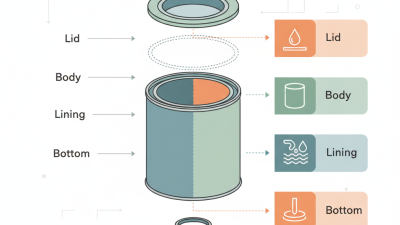
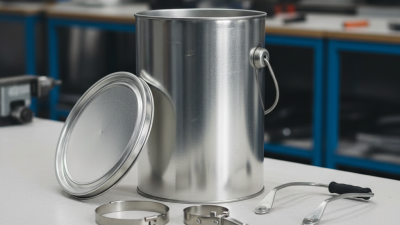
A diverse range of metal pail components exists, including lids, handles, and liners. Each component serves a unique purpose, contributing to the overall effectiveness of metal pails. Buyers need to understand the significance of selecting the right components. This choice impacts not only performance but also safety standards.
However, it’s crucial to recognize that not all suppliers offer consistent quality. A buyer's due diligence is essential. Scrutinizing suppliers’ backgrounds and certifications can help identify trustworthy partners. The quest for top-quality metal pail components can be challenging, yet it ensures the longevity and safety of products.
Overview of Metal Pail Components and Their Importance
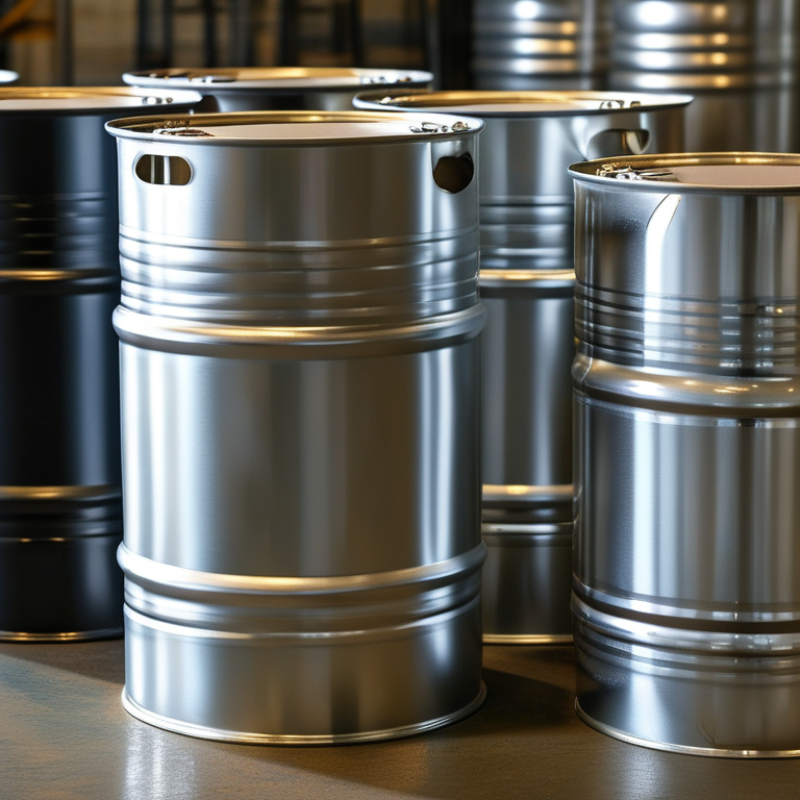
Metal pail components play a crucial role in various industries. They ensure durability and usability in packaging. These components come in different shapes and sizes, serving unique purposes. High-quality materials like steel and aluminum are common choices. The selection of appropriate components can significantly affect overall performance and safety.
When selecting pail components, it’s essential to consider their compatibility with stored materials. This aspect often gets overlooked. A poor match can lead to chemical reactions or leaks. Always test materials before full-scale production.
Tips: Inspect the finishes on metal pails regularly. Small imperfections or rust can compromise their integrity. Proper storage conditions also prolong the lifespan of metal pails, ensuring reliability over time. Regularly review your sourcing methods to improve quality and maintain standards. Always seek feedback from users to identify areas needing improvement.
Overview of Metal Pail Components and Their Importance
Types of Metal Used in Pail Manufacturing
The manufacturing of metal pails relies heavily on the choice of materials. Common types of metal used include steel and aluminum. Steel is favored for its durability and strength. It has a high tensile strength, making it suitable for heavy-duty applications. According to Recent Industry Reports, steel accounts for over 60% of the market share in pail manufacturing.
Aluminum, on the other hand, offers lightweight properties. This characteristic makes aluminum pails easier to handle and transport. Its resistance to corrosion is another benefit. In fact, aluminum pails can last up to 5 times longer than their steel counterparts in certain environments. However, this longevity comes at a higher cost, which can be a drawback for budget-conscious buyers.
There are also hybrid options combining metals for enhanced performance. Clearly, the choice of metal significantly affects the final product. Each material has its pros and cons, indicated by varying user needs. Buyers must weigh factors like weight, durability, and cost to make informed decisions. As the industry evolves, understanding these metal types becomes paramount for optimal purchasing.
Key Factors to Consider When Sourcing Metal Pail Components
When sourcing metal pail components, several factors are crucial for buyers. Material quality stands out as a top priority. A strong metal, such as galvanized steel, offers durability. However, the manufacturing process can affect strength. Ensure that producers follow stringent quality controls to guarantee reliability.
Another significant element is design compatibility. Buyers must consider the intended use of the pail. Factors like size and shape are essential for functionality. Some designs may not be suitable for certain materials, leading to potential issues. Testing prototypes can reveal limitations in design and usability.
Sustainability is increasingly important in sourcing decisions. Ethical production practices and recyclable materials are essential today. Consumers are more aware and often prefer environmentally friendly choices. However, balancing cost with eco-friendliness can be challenging. Understanding industry standards helps buyers make informed decisions while adhering to responsible practices.
Global Suppliers: Leading Players in the Metal Pail Industry
In the competitive metal pail industry, global suppliers play a crucial role in ensuring high-quality products. They cater to diverse markets, offering various designs and capacities. This versatility appeals to manufacturers needing reliable packaging solutions.
Leading players in this sector have established a reputation through innovation and efficiency. These suppliers invest in advanced manufacturing techniques to enhance product durability. Yet, they face challenges such as fluctuating raw material costs and environmental regulations. Balancing quality and sustainability remains an ongoing task.
Many suppliers prioritize customer feedback to improve their products. However, some still overlook the importance of after-sales service. Without adequate support, even high-quality pails can lead to customer dissatisfaction. Continuous development and adaptive strategies are vital for long-term success in the global market.
Quality Standards and Certifications for Metal Pail Components
When sourcing metal pail components, quality standards play a crucial role. Buyers need to ensure that materials used meet specific requirements. These include durability, corrosion resistance, and compliance with industry regulations. Standards such as ISO 9001 help in evaluating manufacturing processes. This certification indicates a commitment to quality management.
Moreover, achieving certifications is not always straightforward. Companies face challenges in maintaining these standards consistently. Small variations can lead to significant quality issues. It is vital for global buyers to demand transparency in production processes. Regular audits and inspections can help in verifying compliance.
Quality assurance does not stop at certifications. Continuous improvement should be a goal for manufacturers. Engaging with customers for feedback is essential. This dialogue can reveal product weaknesses that may not be immediately apparent. Fostering an environment of accountability ensures long-term reliability in metal pail components.
Top Quality Metal Pail Components for Global Buyers
| Component Type |
Material |
Dimensions (cm) |
Quality Standard |
Certifications |
| Lid |
Steel |
30 x 30 |
ISO 9001 |
SGS |
| Handle |
Aluminum |
25 x 5 |
ISO 14001 |
TÜV |
| Body |
Stainless Steel |
40 x 40 x 50 |
OHSAS 18001 |
ISO/IEC 17025 |
| Spout |
Plastic |
10 x 5 |
DIN EN ISO |
CE |
| Bottom |
Galvanized Steel |
30 x 30 |
API Spec Q1 |
UL |