What are the Essential Components of an Empty Paint Can?
When discussing the essential components of an empty paint can, understanding its design is crucial. John Smith, a leading expert in packaging engineering, notes, "The integrity of paint can components affects usability and safety." This statement highlights the importance of every part.
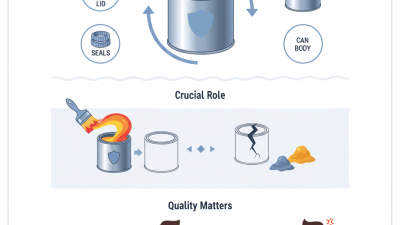
Empty paint can components include the body, lid, and sealing mechanisms. Each part serves a specific function. The body holds the paint, while the lid protects it from contamination. Sealing mechanisms ensure no leaks occur. These elements together guarantee a reliable container.
It's interesting to consider, however, that not all cans meet the same standards. Variations in materials and design can lead to inefficiencies. Manufacturers must reflect on how these choices impact the final product. Proper design is essential, yet challenges in production often arise. Balancing cost and quality remains a significant hurdle. Understanding these complexities is vital for anyone involved in paint can production.

Essential Components of an Empty Paint Can: An Overview
When discussing the essential components of an empty paint can, several key factors come into play. An empty paint can typically consists of a container, lid, and label. The container is often made of metal or sturdy plastic. Its design allows storage without leaks or spills. However, the simplicity of its components can sometimes lead to misunderstandings regarding its recycling potential.
The lid serves multiple functions. It protects the contents while sealed and can be difficult to open without proper tools. This aspect often frustrates users who may not realize that a lid is meant to create a tight seal. Labels on the can provide valuable information. They usually include safety instructions, recycling symbols, and paint type. Yet, people frequently overlook these details, which can lead to improper disposal or contamination.
Understanding these components highlights the importance of awareness. Not all paint cans can be recycled in the same way. Incomplete cleaning after use can hinder recycling efforts. Acknowledging these factors encourages responsible practices. By reflecting on the components, users can make informed choices about disposal and recycling issues surrounding empty paint cans.
Essential Components of an Empty Paint Can
Material Composition of Empty Paint Cans: Common Types
Empty paint cans serve several practical purposes. Understanding their material composition helps in recycling and reuse. Most commonly, these cans are made from metal or plastic. Metal cans typically use steel, often lined to prevent rust. Plastic variants often consist of high-density polyethylene (HDPE). Both materials are prevalent for their durability.
The choice of material affects the can's weight and recyclability. Metal cans are heavier but usually more sustainable. Plastic cans are lighter, making transport easier. However, they can degrade faster. This degradation raises questions about their long-term usability. If stored improperly, plastic cans may break down more quickly, leading to waste.
Also, not all empty paint cans are created equal. Some have additional features, like resealable lids. This makes storage simpler but can lead to confusion over how to properly dispose of them. Knowing these differences aids consumers in making more informed choices about disposal and recycling. Understanding these nuances can help promote a more sustainable approach to paint can usage.
Design Features of Empty Paint Cans: Functionality and Usage
Empty paint cans are more than just containers. They showcase essential design features that enhance functionality and usability. One key element is the can’s shape. The cylindrical design allows for efficient stacking and storage. This shape also facilitates easy pouring, reducing mess. A well-designed lid is crucial, too. A snug-fitting lid prevents spills and keeps the contents fresh, although a loose lid can lead to frustrating leaks.
Another vital component is the safety mechanisms. Many paint cans come with features like child-resistant closures. This ensures safety in homes with children. The label area is also important. It serves as a space for necessary information, though it can feel cluttered at times. Clear labeling helps consumers understand usage instructions and safety precautions, yet some cans lack sufficient detail.
Recyclability is another critical aspect often overlooked. Many consumers fail to consider disposal options after the paint is used. A can’s material should ideally be recyclable, promoting environmental responsibility. Unfortunately, not all cans communicate this clearly. Some only feature vague recycling symbols. Reflecting on these design features, we can appreciate the functionality and the need for improvement in various aspects of empty paint cans.
Regulatory Standards for Empty Paint Cans: Safety and Environmental Concerns
When dealing with empty paint cans, understanding regulatory standards is crucial for safety and environmental protection. These standards ensure that disposal or recycling of these cans minimizes harm to health and nature. Proper labeling is essential. Labels inform users about safe handling and disposal methods, reducing accidents and environmental damage.
Tips: Always check for state-specific regulations. Local laws can vary significantly. Familiarize yourself with the proper disposal sites or recycling centers.
The empty paint cans should be completely free of leftover paint. Residual paint can pose health risks and environmental hazards. Rinse cans thoroughly and allow them to dry before disposal. This practice not only complies with regulations but also protects local wildlife and waterways.
Tips: Consider using eco-friendly paint options. They typically come with safer disposal instructions. Always read and follow the guidelines provided by manufacturers.
What are the Essential Components of an Empty Paint Can? - Regulatory Standards for Empty Paint Cans: Safety and Environmental Concerns
| Component |
Regulatory Standard |
Safety Concerns |
Environmental Impact |
Disposal Guidelines |
| Metal Can |
EPA Regulations |
Sharp Edges |
Recyclable Materials |
Recycle at Local Center |
| Plastic Lid |
Consumer Product Safety Commission |
Choking Hazard for Children |
Non-Biodegradable |
Dispose of with General Waste |
| Paint Residue |
State-Level Hazardous Waste Regulations |
Toxic Chemicals |
Potential Soil and Water Contamination |
Check Local Collection Events |
| Label |
Federal Labeling Guidelines |
Misleading Claims |
Impact on Recycling Processes |
Remove Before Recycling |
Recycling and Disposal of Empty Paint Cans: Best Practices and Methods
When it comes to recycling empty paint cans, mindful disposal is crucial. Many communities have specific guidelines for handling these cans. Always check local regulations. Many facilities accept cans that are completely dry and empty. Some states may even impose penalties for improper disposal.
Tips: Rinse the can with water before disposal. This helps remove leftover paint residue. Ensure the paint is fully dried. This can take a few days but is essential for easy recycling.
If you’re unsure about the recycling process, consider local drop-off events. Many municipalities organize special days for hazardous waste collection. Attending one can help you dispose of your paint cans responsibly. Remember, not all recycling centers accept paint cans. Call ahead to avoid surprises.
Tips: Store your empty cans in a cool, dry place until disposal. This keeps them from rusting and makes them easier to handle. Don't forget to remove any labels that could hinder the recycling process.