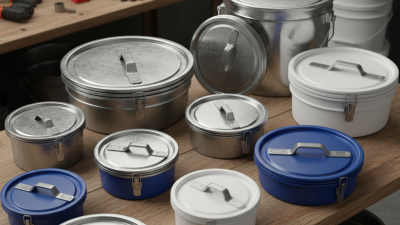
Top 5 Tips for Choosing the Best Lever Lock Pail Lid?
Choosing the right Lever Lock Pail Lid is crucial for ensuring the safety and integrity of your stored materials. Pail lids come in various designs and features, making the decision process challenging. Understanding how to select the best lid can save time, money, and frustration.
When selecting a Lever Lock Pail Lid, consider the specific needs of your project. For instance, what materials will you store? Will they be sensitive to moisture or air exposure? These factors directly impact your choice. It's essential to have a clear comprehension of the application to make an informed decision.
Also, think about the durability of the lid. Some materials may not withstand long-term use. A less robust lid could lead to leaks or contamination. It's worth reflecting on your current lid choices and assessing if they meet your expectations. With various options available, a thorough evaluation can lead to better outcomes.
Factors Influencing the Selection of Lever Lock Pail Lids in Industry
When selecting lever lock pail lids for industrial use, several factors come into play. The compatibility with various pail sizes is essential. A report by the North American Packaging Association highlights that improper lid fitting can lead to product contamination. Ensuring a perfect fit is crucial for maintaining product integrity.
Material durability also plays a significant role. Many industries prefer high-density polyethylene (HDPE) for its resistance to chemicals and impact. According to the Plastics Industry Association, HDPE can withstand various temperatures without deforming, enhancing its reliability. Thus, a thorough evaluation of the material used in lever lock pail lids is necessary.
Consider the user experience during the selection process. A lever lock mechanism should allow for easy opening and closing. Feedback from industry professionals indicates that user-friendly designs can reduce time spent on sealing and unsealing. Prioritize lids that do not require excessive force to operate. Ensuring that safety features are in place is vital. Reinforced locking mechanisms not only prevent spillage but also protect against unauthorized access.
Material Composition and Durability Standards for Lever Lock Pail Lids
When selecting a lever lock pail lid, material composition plays a crucial role. Common materials include heavy-duty plastic and metal. High-quality plastics are often chosen for their lightweight and resistance to chemicals. However, not all plastics offer the same level of durability. Some may degrade over time, especially when exposed to harsh environmental conditions. Metal lids, while more durable, can rust if not treated correctly. Assessing the environmental factors where the lid will be used is essential for long-term performance.
Durability standards are another vital consideration. Look for lids that meet stringent industry standards. Standards ensure that the lids can withstand pressure and impact without compromising their sealing ability. Testing for functionality is important. A lid that looks robust might not perform under extreme conditions. Additionally, understanding the manufacturing process can offer insight into product quality. Transparency from manufacturers can provide a level of trust. Seek products that demonstrate compliance with safety and quality certifications.
Careful evaluation of material and durability can highlight potential drawbacks. It’s easy to overlook the importance of a reliable seal. Some lids might seem perfect but fail in practice. Testing the lids before purchasing may uncover such issues. Consider seeking expert opinions or user reviews. This can aid in making an informed decision. Always aim for a balance between cost and quality. Remember that what seems cheap today can lead to complications tomorrow.
Top 5 Materials for Lever Lock Pail Lids
Evaluating Compatibility: Measuring for Optimal Lever Lock Fit
When considering the fit of a lever lock pail lid, precise measurements are essential. It is important to assess both the diameter and height of the pail's rim. A study by the Packaging Institute reveals that incorrect sizing can lead to product spoilage and contamination. Ensuring compatibility can minimize these risks significantly. Many users overlook this step, resulting in frustrating experiences.
Taking the time to measure the outer diameter of the pail is critical. Most manufacturers recommend checking it twice for accuracy. According to industry reports, approximately 30% of users purchase lids that do not fit their pails. This oversight often leads to wasted materials and additional costs. Furthermore, attention should be paid to the type of sealing mechanism. Some lids offer extended durability under various environmental conditions.
In addition to physical dimensions, the design of the lid can impact functionality. A lid that is too tight may be difficult to open, while a loose lid can compromise the seal. Furthermore, compatibility with existing pails is crucial for operational efficiency. A survey conducted in 2022 showed that about 40% of businesses experienced delays due to incompatible lids. Improving measurement practices can enhance overall productivity and reduce frustration in the long run.
Understanding Pressure and Sealing Technology in Pail Lids
Understanding the pressure and sealing technology in pail lids is crucial for effective storage and safety. A well-designed lid can maintain the integrity of the contents by preventing leaks and contamination. According to a report by the National Association of Container Distributors, nearly 30% of product recalls in the packaging industry are due to insufficient sealing.
The pressure inside a pail can vary based on temperature changes. Thermal expansion can increase the internal pressure, risking a failed seal. A recent study by the Institute of Packaging Professionals indicates that 85% of pail failures are linked to improper sealing mechanisms. Choosing a lever lock design can help mitigate these risks, as it can offer a more secure closure compared to traditional methods.
However, not all lever locks are created equal. Some may not provide sufficient pressure resistance, leading to potential leaks. It’s essential to evaluate materials used in lid production, as they affect both strength and flexibility. Testing data suggests that optimal material selection can reduce failure rates by up to 40%. Understanding these aspects not only helps to enhance safety but also ensures product longevity.
Cost-Benefit Analysis: Pricing Trends in Lever Lock Pail Lid Options
When considering lever lock pail lids, understanding pricing trends is crucial. The cost can vary widely based on material quality and manufacturer. Lower-priced options may save money upfront, but they could lack durability. It's essential to weigh the initial cost against long-term reliability. Some cheaper lids might fail, leading to potential losses. Investing in a better product pays off over time.
Exploring cost implications can be overwhelming. Many manufacturers offer a range of lids, so comparison shopping is important. Seek out detailed specifications and user reviews. Consider how often you’ll use the product. If it’s for frequent access, a higher-investment lid could be far more beneficial.
For choosing the best product, evaluate the materials. High-quality materials tend to be more effective at sealing in freshness. Assess the locking mechanism's ease of use; a difficult lid can be frustrating. Finally, think about storage space. Some lids are bulkier than others, impacting overall usability. A little research in these areas can save time and resources.