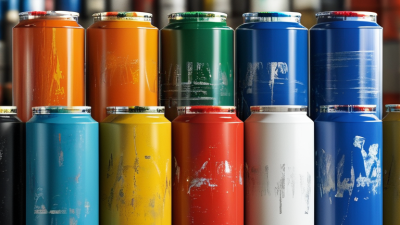
Choosing the right Paint Can Components in 2026 requires more than comparing prices. Buyers must examine how each part performs during filling, transport, storage, and daily use. A lid may look simple, yet its sealing compound can affect leakage, shelf life, and customer confidence. The handle, plug, rim, and interior coating also deserve close attention.
Michael K. LaBorde, a senior metal-packaging engineer, states, “The best component protects the product without slowing the production line.” That principle remains practical for modern paint manufacturers. Strong wire handles can improve carrying safety. Precision-made lids can reduce deformation during stacking. Reliable pour spouts can limit drips around the can opening.
Material selection matters.
In 2026, buyers are showing greater interest in recyclable steel, lower-VOC coatings, corrosion resistance, and cleaner manufacturing processes. However, sustainability claims should not be accepted without documentation. Supplier test reports, coating specifications, and batch consistency provide stronger evidence than attractive marketing language.
Real-world experience also reveals a difficult truth. One component rarely solves every packaging problem. A thicker lid may improve strength, but it can increase material use and shipping weight. A cheaper handle may pass basic testing, yet fail after repeated lifting. These trade-offs require careful review.
This guide examines the top Paint Can Components for buyers, focusing on performance, compatibility, safety, cost, and supplier reliability. Some recommendations may need reconsideration as regulations, materials, and filling equipment continue to change. The best purchase is not always the cheapest option. It is the component that performs consistently when conditions become demanding.

In my experience, buyers should evaluate the complete paint can system, not only the container body. The main components include the steel or aluminum body, lid, plug, handle, ears, gasket, and internal coating. Each part affects filling speed, storage safety, and customer handling.
A strong body needs consistent thickness and clean seams. Uneven metal can weaken stacking performance. The lid should close smoothly without excessive force. A reliable gasket helps reduce leakage and protects paint from air exposure.
Small details matter. Check whether the gasket material matches water-based, solvent-based, or high-viscosity coatings. Compatibility is often overlooked during purchasing.
Buyers should also inspect the handle attachment points and the quality of the inner lining. A rough lining may create particles or react with certain formulas. Request production samples, dimensional records, coating information, and test results before placing large orders.
Drop testing, seal testing, and stacking trials provide more useful evidence than attractive photographs. Measure twice. Some suppliers may offer impressive specifications, yet real performance can vary between batches.
I have found that basic inspection at receiving remains valuable, even with documented quality controls. Sustainable material choices are gaining attention, but reduced material use must not compromise rigidity or closure strength. That balance is still difficult, and buyers should review it carefully.

Reliable paint storage begins with the lid, liner, and sealing system. These parts protect the coating from air, moisture, dust, and accidental leakage. In 2026, buyers should examine lid thickness, metal strength, and edge precision before comparing prices. A well-formed lid should fit evenly around the can rim. Uneven contact can create small gaps, even when the lid appears closed.
Liners deserve equal attention. A suitable liner can reduce contact between paint and metal, helping preserve color and consistency during storage. Buyers should check chemical compatibility, temperature resistance, and liner flexibility. Flexible materials may seal better around minor rim variations. However, excessive softness can make removal messy. This detail is often overlooked. Sealing systems may include gasketed lids, pressure-fit designs, or tamper-evident features. Each option suits different handling and storage conditions.
Tips: Press the lid around its full circumference, not only at the center. Inspect the rim for dents, dried paint, or rough edges. Test sample cans through repeated opening and closing. Record leakage, odor changes, and visible corrosion after storage trials. A small failure matters. One practical concern remains: no component performs perfectly under every condition. Buyers should match the closure system with paint chemistry, transport distance, warehouse temperature, and expected storage time. Supplier testing data, production records, and clear quality controls provide stronger evidence than attractive packaging alone.
A paint can body must match the coating, filling line, and expected storage period. Steel remains a strong choice for solvent-based paints and heavy-duty industrial coatings. It resists dents well and protects contents from light. Tin-plated steel also supports accurate printing and reliable stacking during transport. For water-based paints, coated steel and selected plastic bodies can offer useful moisture resistance. However, compatibility testing still matters. A lining that works for one formula may soften, stain, or peel with another.
Size affects handling, waste, and application speed. Small cans around 250 milliliters suit touch-up work and color samples. One-liter containers are practical for furniture, doors, and small rooms. Larger four-liter or five-liter cans reduce packaging waste for contractors and broad wall projects. Some buyers overlook the lid. A tight seal, strong rim, and easy-opening tab help prevent skin formation and leakage. The handle should remain comfortable when the container is full.
Material choices need a realistic review. Recyclable steel has a familiar recovery route, but coatings and mixed components can complicate processing. Plastic cans may reduce weight, yet their stiffness and barrier performance vary considerably. I have seen low-cost containers deform during stacking, creating avoidable spills. That lesson is easy to forget. Buyers should compare body thickness, inner lining, lid fit, handle strength, and filling performance through sample trials. No component wins every application.
Paint Can Components Buyers Should Prioritize in 2026
Handles, rims, and pouring features now deserve closer attention during paint can sourcing. Grand View Research valued the global paints and coatings market at approximately $206.56 billion in 2023. That scale increases pressure on manufacturers to improve handling, reduce spills, and support faster filling operations.
A strong handle should remain stable when the can is full. A rounded grip can reduce pressure on the fingers, while a reinforced attachment point helps prevent sudden detachment. However, thicker metal is not automatically better. It may improve strength but add weight during repeated lifting. This trade-off needs practical testing, not assumptions.
The rim controls sealing, cleanliness, and pouring accuracy. A shaped rim can guide paint back into the container and reduce drips around the label area. According to the U.S. Environmental Protection Agency, wasted household paint remains a significant disposal concern, making better control valuable. Pouring spouts or molded channels can also improve accuracy during small-volume transfers. Keep them simple. Complex features may trap residue and complicate cleaning. Buyers should test cans with gloves, wet hands, and partially filled contents. Laboratory results help, but real handling often reveals the weakness.
For 2026 buyers, paint can components should be judged as a working system, not isolated parts.
Safety begins with the can body, lid, gasket, and closure fit. A lid requiring excessive force can cause hand injuries and poor sealing. A loose fit may allow leakage during stacking or transport.
In supplier evaluations, request drop-test records, torque data, and batch traceability. Ask for evidence, not polished promises.
Useful safety details include rolled edges, stable handles, and coatings suited to the stored paint. Small parts matter.
Sustainability requires more than choosing recyclable metal.
Buyers should examine recycled content, coating chemistry, component weight, and production scrap. A thinner body may reduce material use, yet it can dent more easily and create waste.
Reusable lids sound attractive, but cleaning and reverse logistics must be realistic. Manufacturing distance also affects the footprint.
Request lifecycle data with clear boundaries. Without it, comparisons become guesswork. Many procurement plans remain incomplete here.
Cost should include filling-line speed, rejects, storage, freight, and disposal.
A low unit price can hide expensive leakage or lid deformation. I prefer pilot runs with actual paint, temperature changes, and warehouse stacking.
Measure seal failures and opening effort. Do not trust a perfect trial. Real production is messier.
Buyers should review supplier continuity, inspection frequency, and corrective-action records.
The best component is not always the cheapest one. It should protect users, reduce waste, and deliver consistent performance at a defensible total cost. Specifications also need periodic review as paint formulas and regulations change.